
- Where
- Lugano, Ticino
- Directions
- Directions
The old town of Lugano is small enough to cover on foot in an hour but varied enough to fill an afternoon, and its charm comes from the way northern Italy and Switzerland meet in a few lanes. Streets here are lined with arcades and painted houses, and shuttered windows open onto narrow balconies, while the language heard in the cafés is Italian and the trams and trains run on Swiss time. The mix of cultures is not an accident of tourism but the product of a long history: Lugano belonged to the dukes of Milan until the early sixteenth century, then came under the Swiss Confederates, and finally joined the new canton of Ticino in 1803.
Walking the old town is mostly a matter of following your instincts. A good approach starts at the lakeside and goes inland along Via Nassa, an arcaded street lined with shops, before reaching Piazza della Riforma, the main square. From there, narrow lanes branch off toward Piazza Cioccaro and the steep street up to the cathedral of San Lorenzo, and a few minutes in the other direction you reach the church of Santa Maria degli Angioli beside the lake. Details to look for include carved stone doorways, painted shop signs, small courtyards glimpsed through gates, and the low arches of the porticoes. Because the quarter is largely pedestrian, you can stop and look without worrying about traffic.
Lugano also played a notable role in the history of ideas. In the eighteenth and nineteenth centuries the city was a centre of printing, and its presses published books and newspapers that were banned or censored in neighbouring Italian states. During the struggle for Italian unification, political exiles such as the thinker Carlo Cattaneo found refuge in Ticino, and the canton's liberal climate helped make Lugano a place where ideas could circulate. That history gives the old town a quiet intellectual dimension, even if little in the streets announces it.
Food and drink are an essential part of the experience. Cafés serve espresso and pastries in the morning, while at midday you can find risotto, polenta and the cured meats of the region, and in the evening the aperitivo, a drink with small snacks, is a local ritual. The red wine of the canton is Merlot, and many restaurants offer a glass with dinner. Prices in the centre are on the high side, as everywhere in Switzerland, and smaller lanes away from the main squares are often better value.
The old town suits couples, families, shoppers and anyone who enjoys wandering. It is free to explore at any hour, though most shops close on Sundays. The area is liveliest in the evening and in summer, when events in the squares and music on the lakefront add to the atmosphere, and quieter in the early morning. Allow two to three hours for a relaxed circuit, more if you include the cathedral and lake. Wear flat, comfortable shoes, since the streets can be steep and paving is uneven in places, and plan to end your walk with a drink on the waterfront.

More photos coming soon
Nearby Attractions
Other places to visit in Lugano

Lake Lugano
Alpine lake with Mediterranean villages and cruises
Natural Wonders · Boat Tours
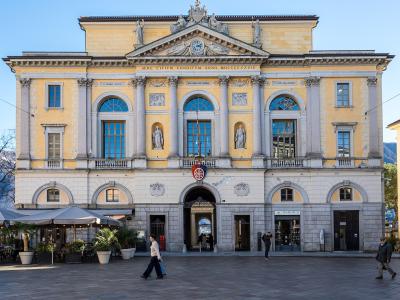
Lugano Old Town
Historic piazzas and Renaissance frescoes
Cultural Experiences · History & Heritage

Monte San Salvatore
Panoramic views, hiking trails, and funicular ride
Natural Wonders · Mountains
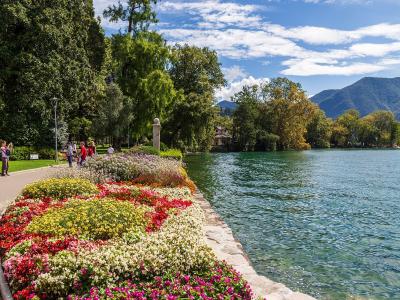
Parco Ciani
Lakeside park blending Italian gardens and wild woods
Natural Wonders · Urban Exploration
Questions people ask
Quick Facts
Best Time to Visit
April to October offers mild weather, blooming gardens, and ideal conditions for lakeside walks, outdoor dining, and exploring Lugano’s attractions.