







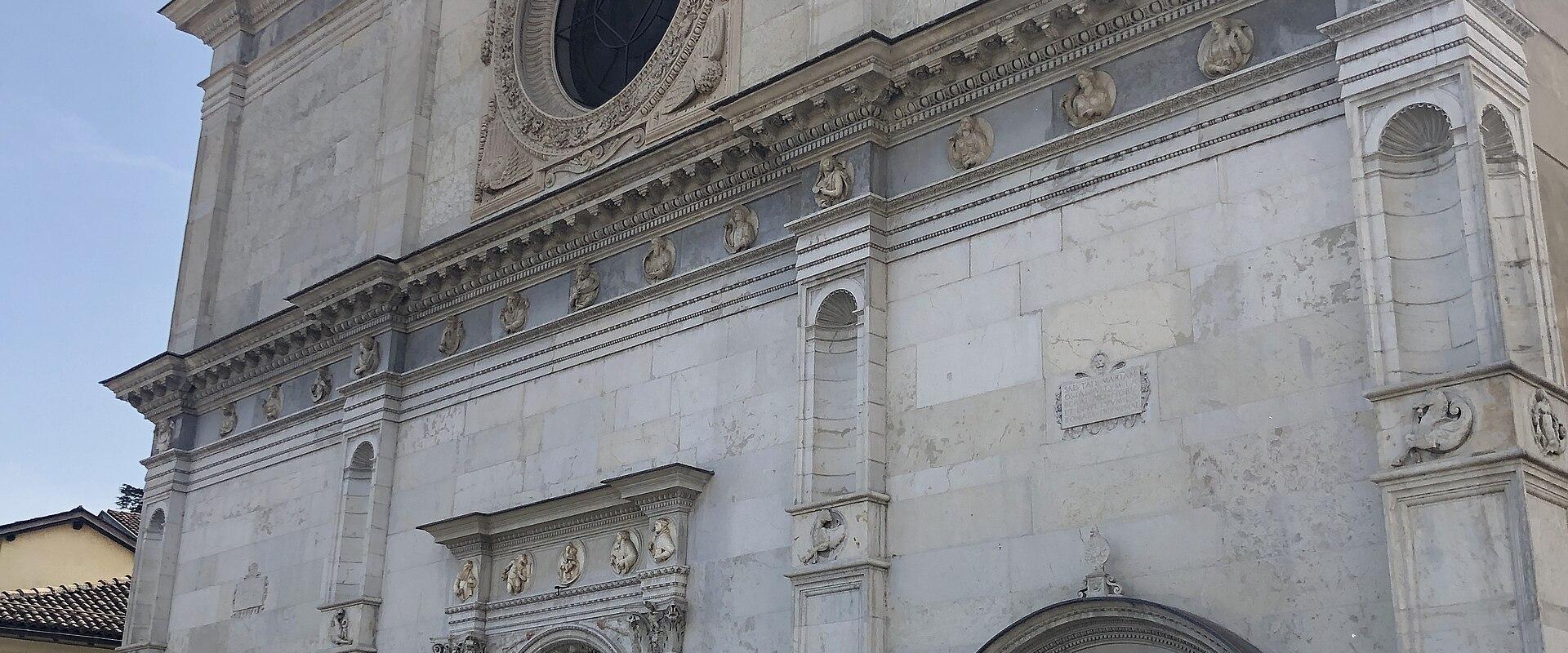
Cattedrale Di San Lorenzo (Cathedral Of Saint Lawrence)
Renaissance façade and Baroque frescoes in Lugano
- Where
- Lugano, Ticino
- Directions
- Directions
The cathedral of San Lorenzo stands on a terrace above the old town of Lugano, a short climb from Piazza Cioccaro and the funicular to the railway station. Its position gives the building a prominent place in the city's skyline, and the open space in front of it offers one of the best views over the roofs of Lugano, the lake and the mountains beyond. It is dedicated to Saint Lawrence, a deacon and martyr of the early Church, and it is the seat of the diocese of Lugano, which was created in 1888 when the church was raised to the status of a cathedral.
The church has a long history. There was a church on this site in the early Middle Ages, and a parish church of San Lorenzo is documented as early as the ninth century. Later it became a collegiate church, served by a community of priests, and it remained the main church of the town as Lugano grew. The building seen today is largely the result of work in the late Middle Ages and the Renaissance, with later changes in the Baroque period.
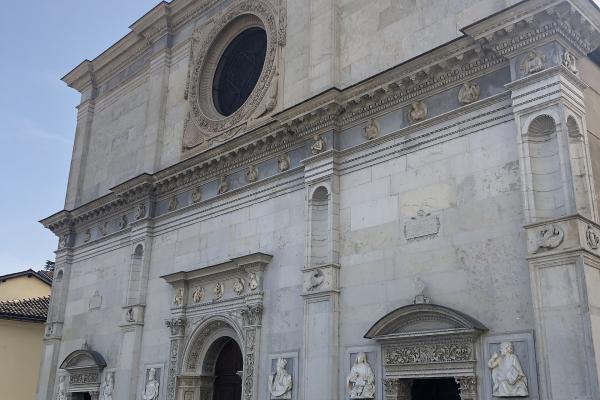
The most striking feature is the façade, which was built in the early sixteenth century in the style of the Lombard Renaissance, with a richly carved portal, sculpted decoration and a calm, balanced layout in marble and stone. It is generally attributed to craftsmen of the Rodari family, who came from the nearby village of Maroggia on the lake and worked on major churches across northern Italy, including Como cathedral. Looking closely at the portal, you can see reliefs, medallions and ornamental carving that show the high level of local craftsmanship in Ticino at that time. The façade is a good example of how artists from the region worked in both Italy and Switzerland.
Inside, the church has three naves, and the decoration reflects several periods. Paintings and stucco work from the Baroque era fill the vaults and chapels, and gilded altars and altarpieces add to the sense of richness, although the effect is more intimate than in the grand churches of larger cities. Side chapels hold works of art and memorials from different centuries, and the atmosphere is quiet and welcoming, so it is a good place for a pause away from the streets.
The cathedral is a place of worship, so services and events can limit access, and visitors should dress modestly and keep noise down. Opening times are generally during the day, but they can vary, so check locally. Entrance is normally free. The church suits art and architecture lovers, those interested in religious history, and anyone who wants a view over the city. Allow thirty minutes to an hour, and combine the visit with the old town, Santa Maria degli Angioli and a walk along the lake. The walk up from the town centre involves steps and a slope, which can be tiring in heat, but the terrace is worth the effort.
Categories
More photos coming soon
Nearby Attractions
Other places to visit in Lugano

Lake Lugano
Alpine lake with Mediterranean villages and cruises
Natural Wonders · Boat Tours
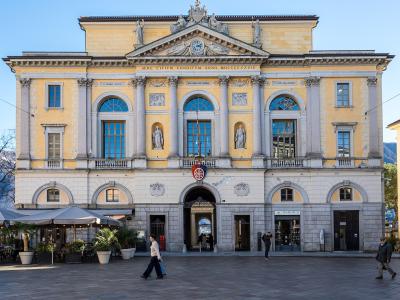
Lugano Old Town
Historic piazzas and Renaissance frescoes
Cultural Experiences · History & Heritage

Monte San Salvatore
Panoramic views, hiking trails, and funicular ride
Natural Wonders · Mountains
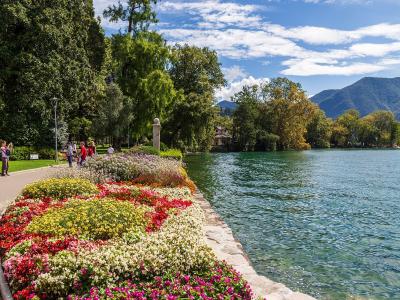
Parco Ciani
Lakeside park blending Italian gardens and wild woods
Natural Wonders · Urban Exploration
Questions people ask
Quick Facts
Best Time to Visit
April to October offers mild weather, blooming gardens, and ideal conditions for lakeside walks, outdoor dining, and exploring Lugano’s attractions.