







- Where
- Chur, Graubünden
- Directions
- Directions
Chur is the capital of the canton of Graubünden, the largest and most mountainous canton in Switzerland, and it is often called the oldest town in the country, based on evidence of settlement that goes back thousands of years. The old town, with its steep lanes, squares and fountains, is a good setting for the cantonal museums, which look at the region from several angles. Together they present the culture, history, art and nature of a canton that has three languages, German, Romansh and Italian, and more than a hundred valleys, each with its own character.
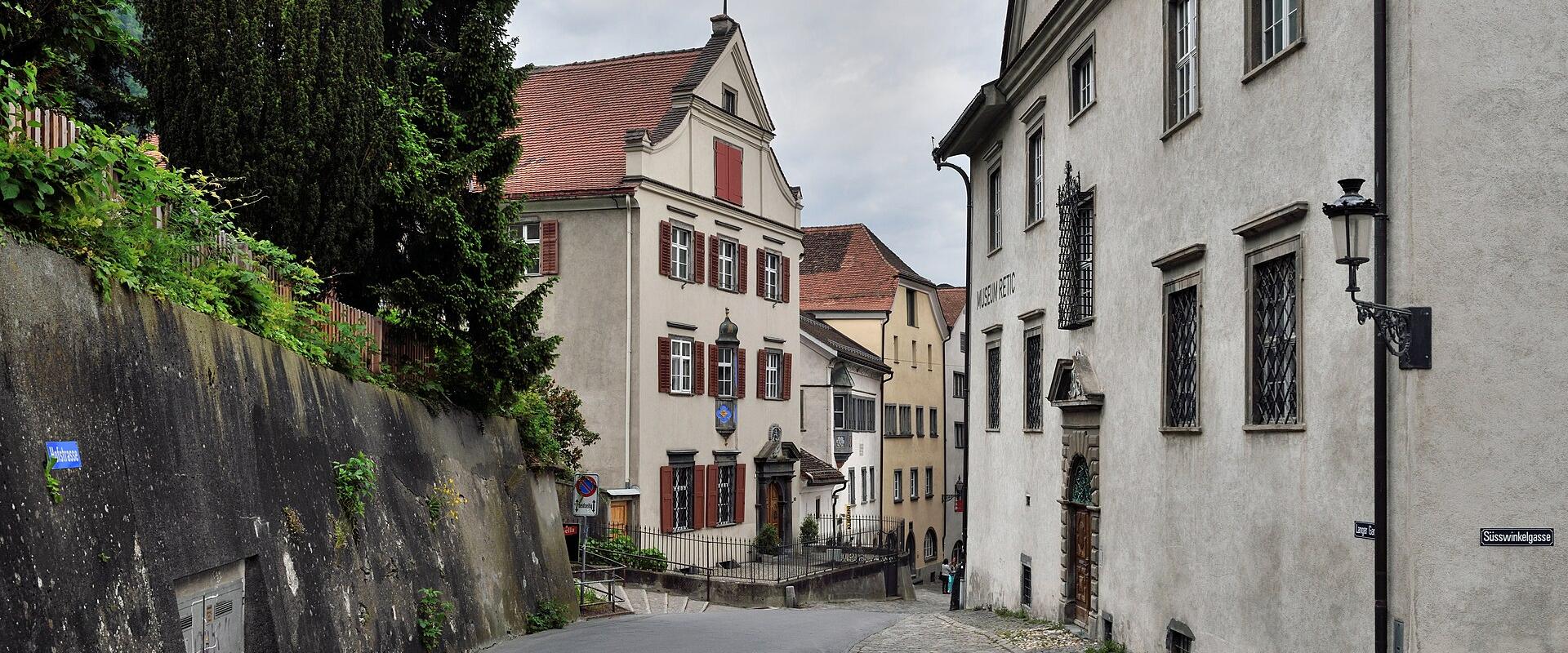
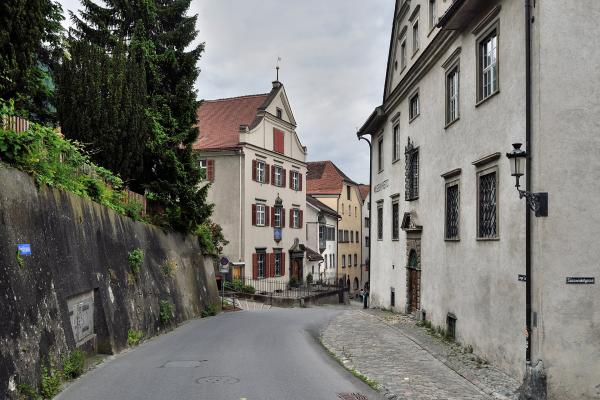
The Rätisches Museum is the history museum, and the best place to start. It is housed in a baroque patrician house in the old town, and it tells the story of the region from prehistoric times to the present. Collections include archaeological finds from the Bronze Age and Roman periods, medieval objects, furniture, costumes, tools and everyday items, and the displays follow the changes in the economy, from farming and Alpine herding to trade over the passes and, later, tourism. The name refers to Raetia, the Roman province that covered much of this area, from which the Romansh language descends. Because the canton's identity is closely linked to its history as a crossroads of routes between north and south, the museum helps to explain why the region has so many different traditions.
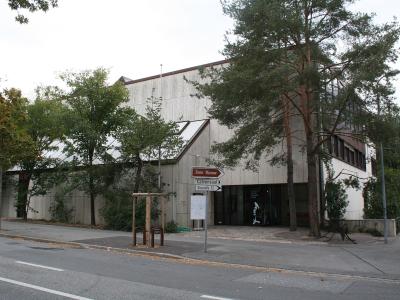
The Bündner Kunstmuseum, the art museum, is set in the Villa Planta, a nineteenth-century villa built for a local family of wealth, with a modern extension added in the 2010s. Its collection concentrates on art made in Graubünden or by artists connected to it, and includes work by the Giacometti family, who came from the canton and gave it a special place in Swiss art. Alongside works from the past, contemporary pieces are shown in temporary exhibitions. The Bündner Naturmuseum, the natural history museum, is described separately and presents the animals, plants and geology of the Alps, including a preserved brown bear.
Visiting more than one of the museums gives a rounded picture of the canton. A common approach is to see the Rätisches Museum in the morning, then walk through the old town to the art museum, with a stop for lunch, and visit the natural history museum later or on another day. The distances are short and everything is within walking distance of the railway station, which also happens to be the starting point for the Glacier Express and other scenic railways.
Opening times, closing days and admission prices differ between the museums and change during the year, so check the websites before you plan. Information is mainly in German, with some English, and audio guides or leaflets may be available. The museums suit history readers, art lovers, families and anyone who wants to understand the region before heading into the mountains. Allow an hour or two for each museum, and consider a combined ticket if one is offered. The old town, the cathedral and the cathedral treasure museum are good additions.
Categories
More photos coming soon
Nearby Attractions
Other places to visit in Chur
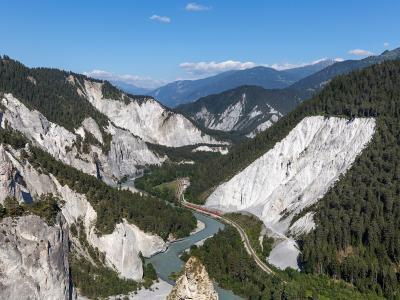
Rhine Gorge (Swiss Grand Canyon)
Dramatic Alpine gorge with scenic rail and trails
Activities & Adventure · Natural Wonders

Dreibündenstein Panorama Trail
Historic triple-border stone with alpine panoramas
Mountains · Viewpoints
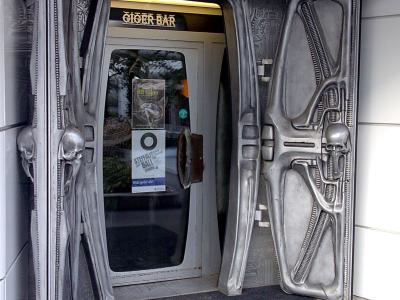
Alien-themed Bar (Chur)
Alien-themed bar designed by H.R. Giger in Chur
Food & Gastronomy
Graubünden Museum Of Nature
Alpine biodiversity and geology of Graubünden
Cultural Experiences · Museums
Questions people ask
Quick Facts
Best Time to Visit
May to September offers mild weather, lively old town, and ideal conditions for hiking, sightseeing, and exploring Chur’s alpine surroundings.