







- Where
- Chur, Graubünden
- Directions
- Directions
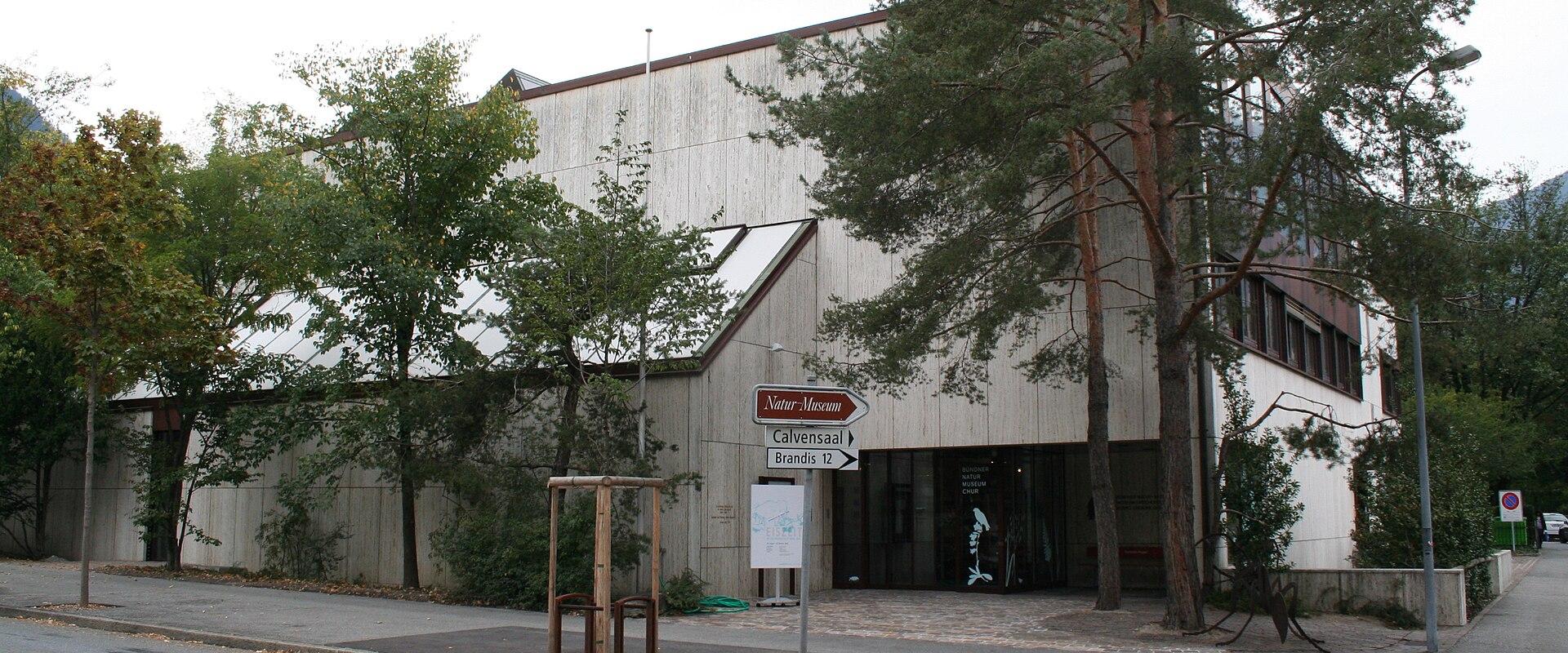
The Bündner Naturmuseum, or Graubünden Museum of Nature, is the natural history museum of the canton of Graubünden, in the city of Chur. Graubünden is the largest canton in Switzerland and the most mountainous, with more than a hundred valleys, three languages and a range of landscapes from glaciers to Mediterranean-style slopes in the south. The museum's task is to document that variety, and it does so through collections of animals, plants, minerals and rocks gathered over a long period. It is a short walk from the railway station, and it makes a good indoor stop in a city that is also the starting point for many mountain excursions.
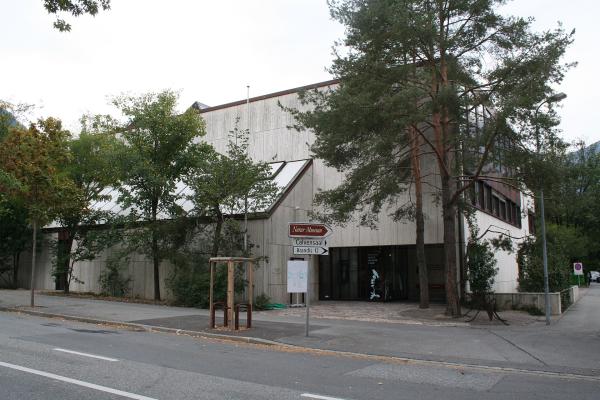
The museum is housed in a building from 1981, designed by the architect Bruno Giacometti, a native of Graubünden and the brother of the sculptor Alberto Giacometti. The collection goes back much further than the building, to the work of naturalists in the nineteenth century and earlier, who collected specimens and studied the fauna and flora of the region. Over time the holdings have grown into a large reference collection, from which a selection is shown in the permanent exhibition.
The displays are organised by theme and spread over several floors. Visitors can learn about water and aquatic life, the mammals and birds of the Alps, and the rich plant and insect life of the region, including lichens, fungi and flowering plants that form important parts of the ecosystem. Another section looks at geology, with rocks, minerals and fossils that show how the mountains formed and what they contain. Dioramas and preserved animals give a close view of species that are hard to see in the wild, such as ibex, chamois, marmots and birds of prey. One of the best-known exhibits is a preserved brown bear known as JJ3, one of the first bears to wander through Graubünden in modern times, in the years around 2007, after bears had been extinct in Switzerland for about a century. The story of its arrival and the debate around it say much about how Swiss society views wildlife.
The museum also stages temporary exhibitions on current themes such as climate, biodiversity and conservation, and it offers activities for children, with hands-on elements that make the visit lively. The labels and displays are mainly in German, with some material in other languages, so it helps to check what is available if you do not read German. Admission is moderate, and children usually enter at a reduced rate or for free, but prices and opening times should be checked on the museum's website, as they change. The museum is generally closed on Mondays.
It suits families, nature lovers, hikers who want background before a trip into the mountains, and anyone looking for a rainy-day activity in Chur. Allow an hour or two for a visit, and combine it with the old town, the cathedral and the other cantonal museums, such as the Rhaetian Museum and the art museum. If you are planning a hike, the displays on plants and animals will help you recognise what you see on the trail.
Categories
More photos coming soon
Nearby Attractions
Other places to visit in Chur
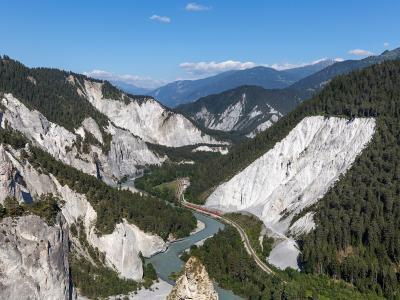
Rhine Gorge (Swiss Grand Canyon)
Dramatic Alpine gorge with scenic rail and trails
Activities & Adventure · Natural Wonders

Dreibündenstein Panorama Trail
Historic triple-border stone with alpine panoramas
Mountains · Viewpoints
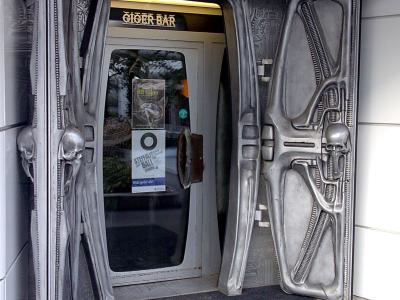
Alien-themed Bar (Chur)
Alien-themed bar designed by H.R. Giger in Chur
Food & Gastronomy
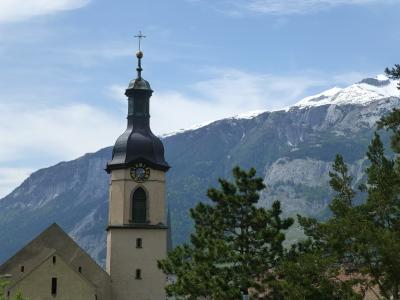
Chur Cathedral
800-year-old cathedral with magnificent interior
Cultural Experiences · History & Heritage
Questions people ask
Quick Facts
Best Time to Visit
May to September offers mild weather, lively old town, and ideal conditions for hiking, sightseeing, and exploring Chur’s alpine surroundings.