







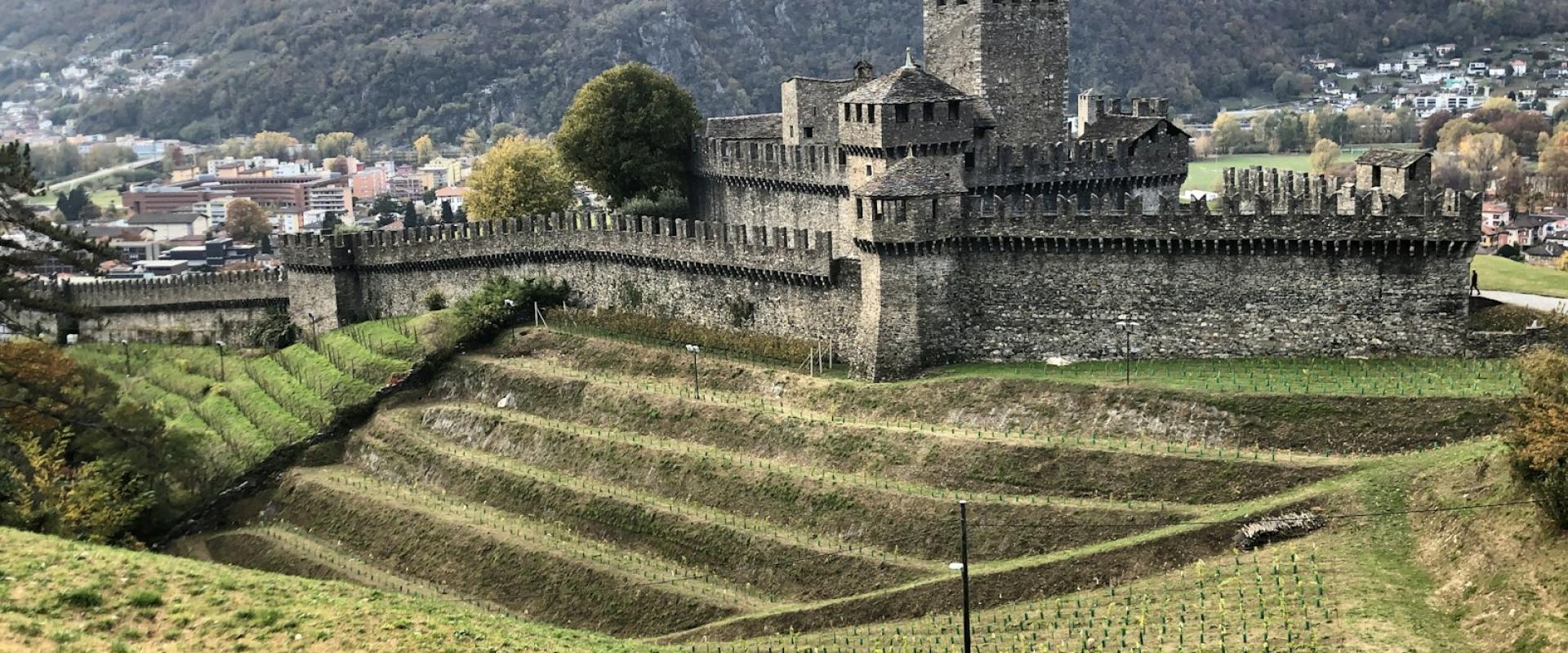
Bellinzona Castles (UNESCO-listed)
UNESCO-listed medieval fortresses in the Alps
- Where
- Bellinzona, Ticino
- Directions
- Directions
The three castles of Bellinzona, Castelgrande, Montebello and Sasso Corbaro, form one of the best-preserved groups of medieval fortifications in the Alps, and together with the town walls they have been a UNESCO World Heritage Site since 2000, one of Switzerland’s best-known heritage sites, as the Bellinzona Castles. Their purpose was military: Bellinzona controls the point where the valley of the Ticino river narrows, at the meeting of the roads leading north to the Alpine passes, among them the San Bernardino, the Lukmanier and the Gotthard, and south toward Milan and the plains of Lombardy. Whoever held Bellinzona could close the route, and that made it one of the most contested places in the Alpine region for centuries.
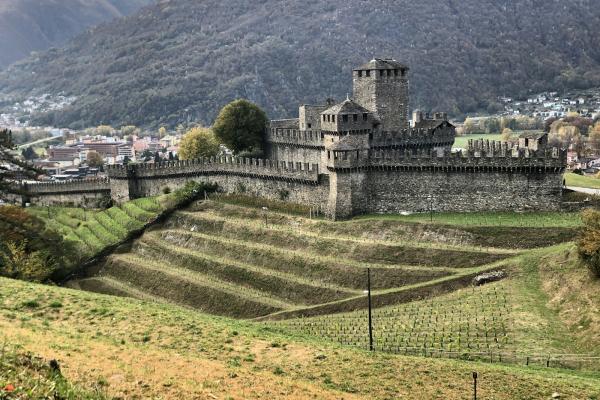
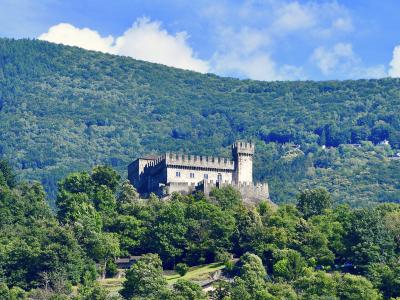
Castelgrande is the oldest and largest. It stands on a rocky hill rising directly above the old town and goes back to prehistoric and Roman times, though its present form is largely medieval. A lift and a ramp connect it with the main square, and inside are ramparts, two tall towers, a courtyard, a restaurant and a museum with local archaeology and history. Montebello Castle, higher on the slope, is linked to the town walls and has its own drawbridge, towers and a courtyard, and it also houses a small museum. Sasso Corbaro, the highest and most isolated of the three, was built in 1479 by the Duke of Milan after a Swiss victory at Giornico, and it stands on a rocky outcrop with a view over the whole valley. The long walls known as the Murata linked the castles and crossed the valley to the river, closing the route entirely.
After the Confederates took the town in 1503, the castles were renamed after the Swiss cantons that held them, and they served as seats of bailiffs for centuries, until the modern canton of Ticino joined the Confederation in 1803. Restoration in the 20th century brought them back into use as museums and venues, and they now host exhibitions, concerts and events, with the Castelgrande also used for open-air performances. The mix of defence, politics and later cultural use is part of what makes the group significant.
Combined ticket options may exist for the three castles, and a walking path links them, so you can visit them in a single day at a relaxed pace. Check seasonal opening times, because interiors are not open year-round while the grounds and ramparts are usually more accessible. The old town below holds a famous market on Saturdays and the Fortini della Fame fortifications nearby.
The castles suit history lovers, families and photographers, and anyone planning a visit to Ticino. Wear comfortable shoes, as the paths are steep and the cobbles can be slippery in the rain.
Categories
More photos coming soon
Nearby Attractions
Other places to visit in Bellinzona
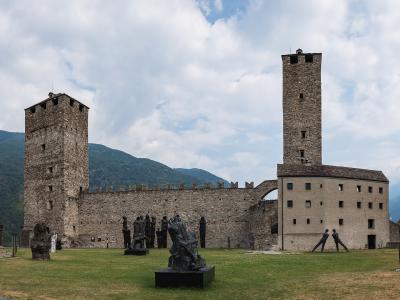
Castelgrande
Largest medieval castle in Bellinzona’s UNESCO fortress
History & Heritage · Castles
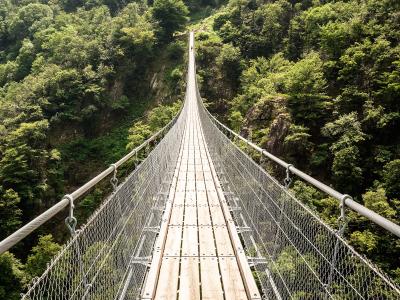
Carasc Tibetan Bridge
270m Tibetan bridge 130m above Bellinzona valley
Activities & Adventure · Natural Wonders
Sasso Corbaro Castle
Medieval hilltop fortress with panoramic views
History & Heritage · Castles

Bellinzona Local Market
Weekly market with local food and crafts
Cultural Experiences · Food & Gastronomy
Questions people ask
Quick Facts
Best Time to Visit
April to October offers mild weather, open castles, and ideal conditions for exploring Bellinzona’s old town, markets, and hiking trails.