Switzerland is one of the most expensive countries in Europe to visit, but the biggest costs — transport, accommodation and food — can be managed with some planning. This guide focuses on the decisions that make the largest difference to a budget.
Choose the right transport ticket
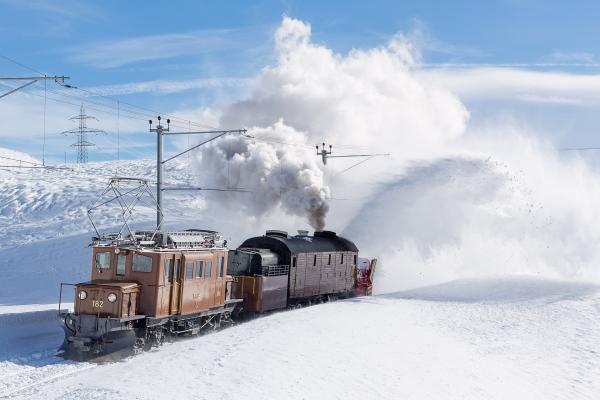
Public transport is excellent but expensive at full fare. The main options for visitors are:
- Swiss Travel Pass — unlimited travel on trains, buses and boats across most of the network, free entry to many museums, and discounts (often 25–50%) on many mountain railways. In 2026 a 3-day pass costs CHF 254 in second class for adults; longer passes (4, 6, 8 and 15 days) cost less per day. A Flex version lets you choose travel days within a month at a higher price.
- Swiss Half Fare Card — CHF 150 for one month in 2026, giving 50% off most trains, buses, boats and many mountain railways. It usually works out cheaper than the Travel Pass if you stay in one or two bases and make occasional day trips.
- Saver tickets (Sparbillette / Supersaver) — discounted point-to-point tickets for specific trains, sold in the SBB app and on sbb.ch. They are cheapest when bought early and are tied to the train you book.
- Saver day passes — day passes for unlimited travel are sold at dynamic prices, cheaper when bought well in advance.
For families, the Swiss Family Card allows children aged 6 to 15 to travel free with a parent who holds a valid Swiss Travel Pass or Half Fare Card. Children under six travel free anyway when accompanied.
The right choice depends on your route. Price out your actual journeys on sbb.ch and compare the totals before buying.
Use guest cards
Many Swiss cities and regions give overnight guests a card that includes free local public transport, and sometimes discounts on attractions. Examples include the Bern Ticket, the Basel Card, the Geneva Transport Card, the Ticino Ticket and many resort guest cards in the mountains. The card normally comes with any registered accommodation, including campsites and hostels; ask when you check in. This can make staying in a city and taking local transport free for the duration of your stay.
Save on accommodation
- Youth hostels: the Swiss Youth Hostels network has hostels in most cities and many mountain areas, with private rooms as well as dormitories, and no upper age limit.
- Stay outside the main resorts: a room in a nearby town on the rail network is often much cheaper than one in Zermatt, Grindelwald or St. Moritz itself. Interlaken, Brig and Chur all make good, cheaper bases.
- Travel out of peak season: May, June, September and October offer good weather in many areas with lower prices than July, August and the winter holidays. Note that some mountain lifts close for maintenance in April–May and November.
- Self-catering: apartments with kitchens cut food costs substantially on longer stays.
Save on food
Restaurant meals are the easiest place to overspend. Ways to cut costs:
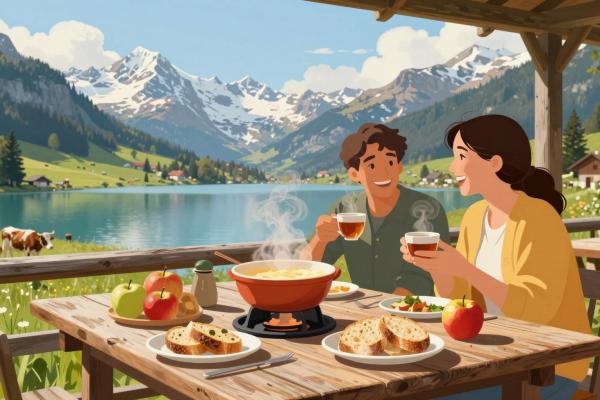
- Supermarkets: Migros, Coop, Denner, Aldi and Lidl are everywhere. Their takeaway sections sell sandwiches, salads and hot food at a fraction of restaurant prices, and some large Migros and Coop stores have self-service restaurants.
- Weekday lunch menus: many restaurants offer a cheaper set lunch (Tagesmenü or menu du jour).
- Picnics: lakesides, parks and mountain viewpoints are made for them, and many have public barbecue spots (Feuerstellen) where you can grill your own food.
- Water: tap water is drinkable throughout Switzerland, and public fountains are common in towns and on hiking trails; drinkable unless marked "kein Trinkwasser" or "eau non potable". Carry a refillable bottle and avoid buying bottled water.
Choose free or cheap activities
- Hiking is free, and Switzerland's network of marked trails is among the best in the world. Many of the best viewpoints can be reached on foot from a valley station.
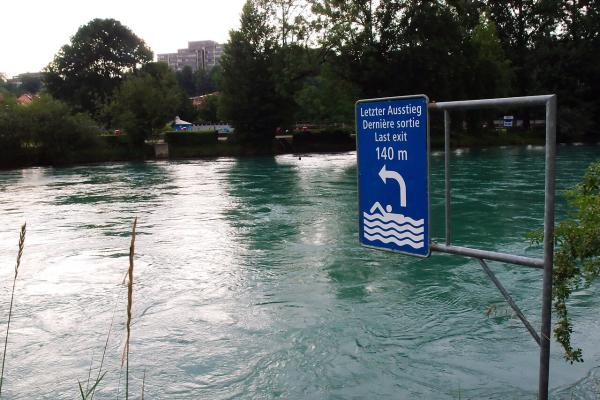
- Lake swimming in summer in places like Zurich, Geneva, Lucerne and along the Aare in Bern is free or cheap at public lidos.
- Old towns, churches and parks cost nothing to explore.
- Museums: some are free on certain days, and the Swiss Travel Pass includes entry to many of them.
Be selective with high mountain excursions, which are often the largest single expense of a trip. Decide on one or two highlights, check discounts with your pass, and look at the weather forecast and webcams before buying.
Money tips
Cards and contactless payment are accepted almost everywhere, including for small amounts. Use a card without foreign transaction fees, and when a terminal offers to charge you in your home currency, choose Swiss francs to avoid a poor conversion rate. Tipping is not expected, as service is included in prices; rounding up is common for good service.