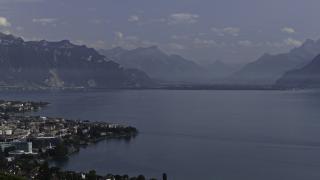
Lugano is best known for its lake and mountains, but it also has one of Switzerland's most important art museums, a modern cultural centre on the waterfront, Renaissance frescoes and a literary connection to the writer Hermann Hesse. This itinerary groups the main sights into a practical one- or two-day plan.
Day one, morning: the LAC and MASI Lugano
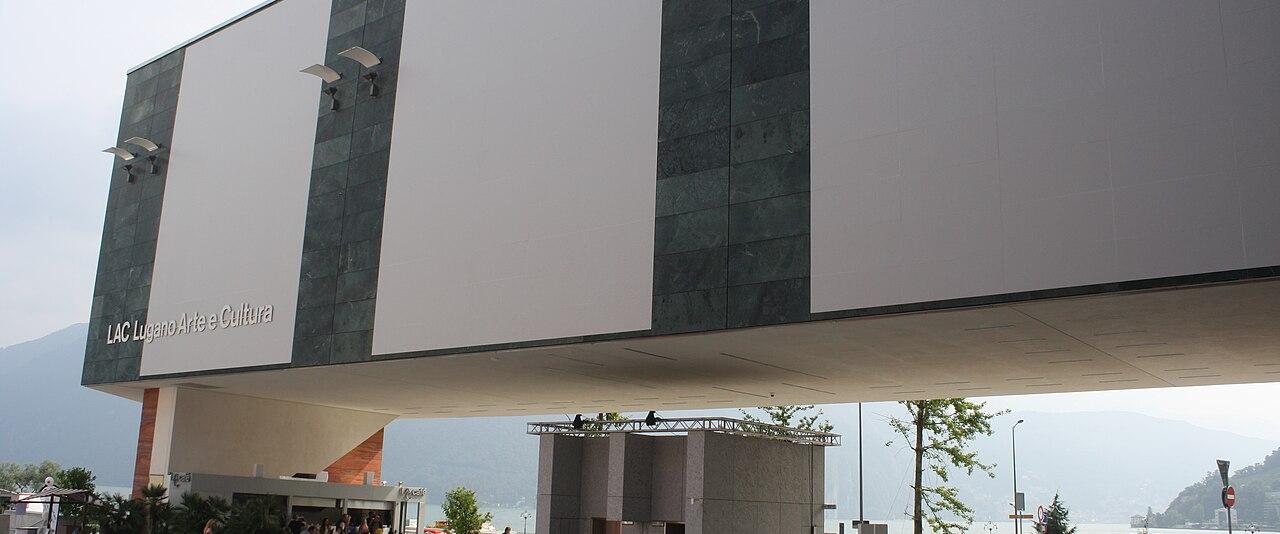
Start at the LAC (Lugano Arte e Cultura), the cultural centre on the lakefront at Piazza Bernardino Luini. It opened in September 2015 and was designed by the Ticinese architect Ivano Gianola. The building houses a 1,000-seat theatre and concert hall — home to the Orchestra della Svizzera italiana — and three floors of exhibition space for MASI Lugano (Museo d'arte della Svizzera italiana).
MASI was created in 2015 by merging the cantonal art museum with Lugano's city art museum. Its collection centres on 19th- and 20th-century art, with a strong focus on artists from Ticino and Italian-speaking Switzerland, alongside international modern and contemporary work. At the LAC, one floor shows the collection and the others host temporary exhibitions, which change several times a year. Check the programme on masilugano.ch before you go; opening days and ticket prices vary by exhibition, and the museum is closed on certain weekdays.
The LAC's large glass foyer looks straight out over the lake, and the terrace in front of it is a good spot to pause between galleries.
Day one, around midday: Santa Maria degli Angioli
Directly beside the LAC stands the church of Santa Maria degli Angioli, a former Franciscan church that contains one of the most important Renaissance frescoes in Switzerland: Bernardino Luini's large Passion and Crucifixion (1529), which covers the screen wall dividing the nave from the choir. Luini, a follower of Leonardo da Vinci, also painted other works in the church. Entry is free; visitors should dress modestly and avoid services.
Day one, afternoon: Palazzo Reali and the old town
MASI's second venue, Palazzo Reali on Via Canova in the old town, opened as part of the museum in 2019 and hosts collection displays and smaller exhibitions in a historic palazzo. It is a ten-minute walk from the LAC.
From there, wander the old town's arcaded streets — Via Nassa, Piazza della Riforma and the lanes climbing towards the Cathedral of San Lorenzo, whose Renaissance façade overlooks the city and lake. The cathedral sits just below Lugano railway station, so it can also be your first or last stop of the day.
Day two: Hermann Hesse in Montagnola
The German-Swiss writer Hermann Hesse (1877–1962), winner of the 1946 Nobel Prize in Literature, moved to Montagnola in the Collina d'Oro above Lugano in 1919 and lived there until his death. Many of his best-known books, including Siddhartha and Steppenwolf, were written in Montagnola, and he also painted hundreds of watercolours of the Ticino landscape.
The Museo Hermann Hesse Montagnola is in the Torre Camuzzi, part of the building where Hesse rented his first apartment. It displays personal objects, books, photographs and watercolours, and hosts temporary exhibitions. Opening times for 2026–2027 are:
- April to October 2026: daily, 10:30–17:30.
- 2 November 2026 to 19 March 2027: closed while the permanent exhibition is renovated and expanded for the 150th anniversary of Hesse's birth in 2027.
- From 20 March 2027: reopens daily, 10:30–17:30.
The museum offers a guided walk, Sulle orme di Hermann Hesse (In Hermann Hesse's footsteps), through the village and its surroundings. Hesse is buried in the cemetery of Sant'Abbondio in nearby Gentilino, an easy walk from Montagnola. Montagnola is reached by regional bus from Lugano station in around 20 minutes; check the current route on the SBB timetable.
If you have more time
- Museo delle Culture (MUSEC), Lugano's museum of non-European art and cultures, in Villa Malpensata.
- Parco Ciani, the lakeside park between the centre and Cassarate, for a walk between museums.
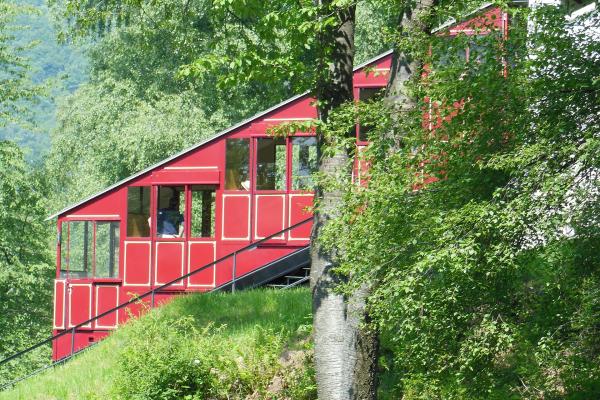
- Monte Brè or Monte San Salvatore by funicular, for views over the city and lake.
Practical tips
Tickets and passes. Overnight guests in the Lugano region normally receive a guest card that includes free regional public transport, which covers the bus to Montagnola; ask your accommodation. Some museums offer discounts with the card.
Opening days. Many museums in Ticino close on Mondays, and opening times change between seasons. Confirm each venue's hours on its official website the week you travel.
When to go. Spring and autumn are the most comfortable seasons for combining museums and walking. The Hesse Museum's winter closure in 2026–2027 means that a visit focused on Hesse is best planned from late March 2027 onwards.
Events. The LAC programme includes concerts, theatre and dance throughout the season. An evening performance is a good way to end an art-focused day.