Switzerland's weather varies more by altitude than by season. On the same day it can be warm by the lakes in Lugano or Geneva and below freezing at the top of a mountain railway. Packing for Switzerland is mostly about layers, sensible footwear and a few country-specific items.
Essentials for every season
Whatever the time of year, bring:
- Plug adapter: Switzerland uses Type J sockets at 230 V and 50 Hz. Two-pin European Type C plugs (the slim "Europlug") fit Swiss sockets, but thicker Type E/F (Schuko) plugs used in Germany and France do not fit standard Swiss sockets. UK and US travellers need an adapter; check that your devices accept 230 V.
- Refillable water bottle: tap water is drinkable everywhere, and public fountains are common in towns and on hiking trails.
- Waterproof jacket: rain is possible in every season, and a light waterproof shell is also a wind layer in the mountains.
- Comfortable walking shoes: even city sightseeing involves cobblestones, hills and stairs.
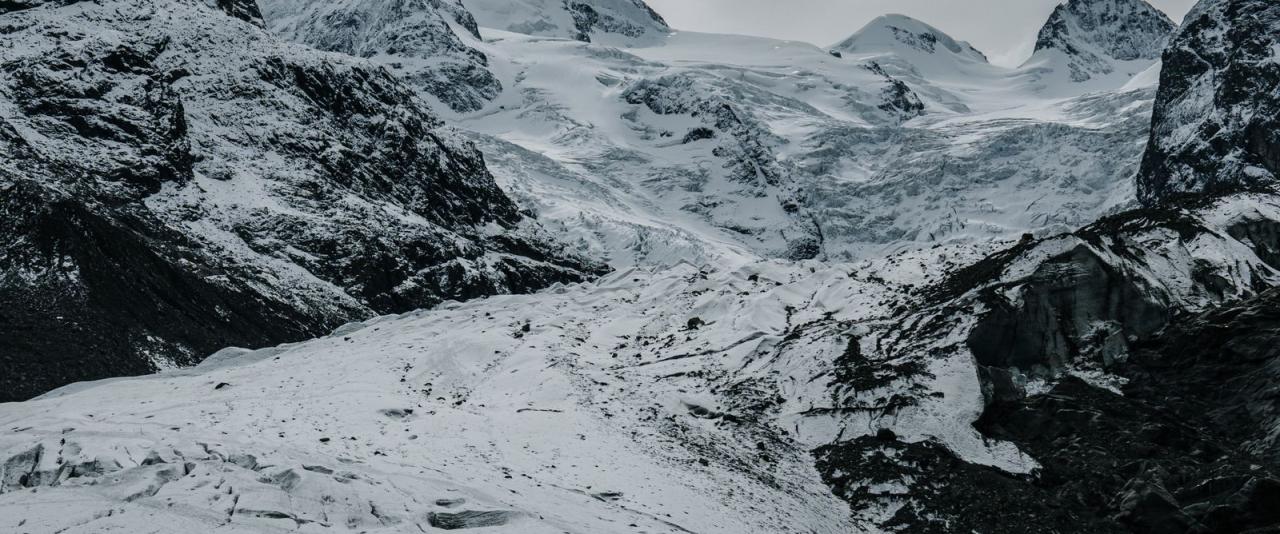
- Sun protection: sunglasses, sunscreen and a hat. UV is much stronger at altitude, and snow and glaciers reflect sunlight.
- Small daypack for excursions.
- Swimwear: lakes and lidos in summer, thermal baths and hotel spas all year.
Spring (March to May)
Spring is changeable. Lowland towns warm up, with blossom in April and May, while the mountains keep snow well into May or June at higher altitudes, and some lifts and hiking trails are closed between the ski and summer seasons.
Pack: a mid-weight jacket, a fleece or sweater for layering, waterproof shoes, an umbrella or rain jacket, and a warm hat and gloves if you plan to go up a mountain. Snow can still fall at mid-altitude in April.
Summer (June to August)
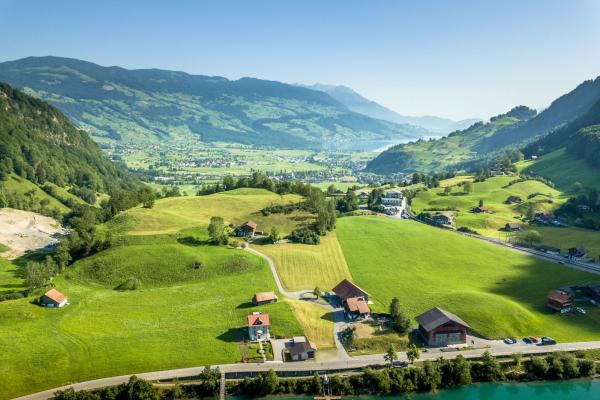
Summer temperatures in the lowlands are often warm, with heat waves reaching the low to mid 30s °C in recent years, while mountain summits can be near freezing. Afternoon thunderstorms are common in the Alps.
Pack:
- Light breathable clothes for towns and lakes.
- A fleece or light down jacket and long trousers for excursions above about 2,000 metres.
- Hiking boots or trail shoes with good grip if you plan to walk on mountain paths; trainers are fine for valley paths but not for rocky trails.
- Rain gear for storms, and sunscreen with high SPF.
- Swimwear and a quick-dry towel for lake swimming.
Start mountain walks early in the day to avoid afternoon storms, and check the MeteoSwiss forecast.
Autumn (September to November)
September is often stable and sunny, making it one of the best months for hiking. October brings autumn colour, cooler mornings and the first snow on higher peaks. November is generally grey and damp in the lowlands, and many mountain lifts close for maintenance.
Pack: layers for cool mornings and mild afternoons, a warm jacket, waterproof footwear, a hat and gloves for higher altitudes, and rain gear. Ticino, south of the Alps, is often milder than the north, but can be wet.
Winter (December to February)
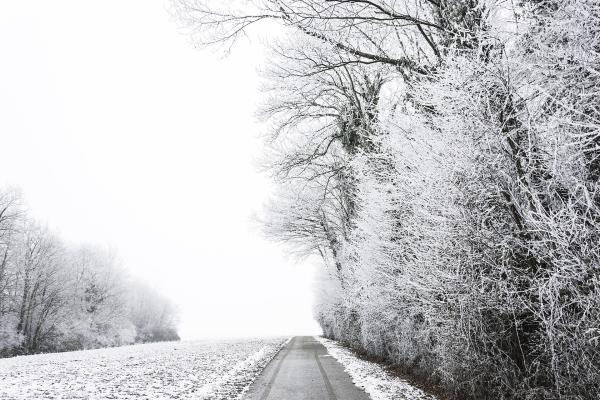
Winter conditions depend on altitude: lowland cities hover around freezing with grey or foggy days, while ski resorts are colder but often sunnier.
Pack:
- A warm insulated, waterproof jacket, thermal base layers and a fleece or mid layer.
- Waterproof winter boots with good grip; pavements and paths can be icy. Slip-on traction devices are useful for winter walking.
- Hat, gloves and scarf or neck gaiter.
- Ski gear if skiing — or rent it on arrival; rental shops are available in all resorts.
- Lip balm and moisturiser, as cold, dry air and high-altitude sun are harsh on the skin.
- Sunglasses or goggles: snow glare at altitude is intense.
Christmas markets, which typically run from late November until shortly before Christmas, mean long evenings outdoors — dress warmly.
Documents and money
- Passport or ID card: Switzerland is in the Schengen Area but not in the EU. Check visa requirements and any entry authorisation rules for your nationality before travel.
- Bank card: cards and contactless payments are accepted almost everywhere; a small amount of Swiss francs is useful in rural areas. Euros are accepted in some places, but change is given in francs at a poor rate.
- Travel insurance that covers mountain activities and, if relevant, mountain rescue. Swiss health care is excellent but expensive.
- Mobile data: Switzerland is outside EU roaming rules, so check your phone plan or arrange a local or travel eSIM.
What you can leave at home
Hair dryers and toiletries are standard in most hotels, rental equipment is easy to find in resorts, and pharmacies and supermarkets are widespread. With a well-chosen set of layers, you will not need to pack heavily even for a mixed city-and-mountain trip.