







- Where
- St. Moritz, Graubünden
- Directions
- Directions
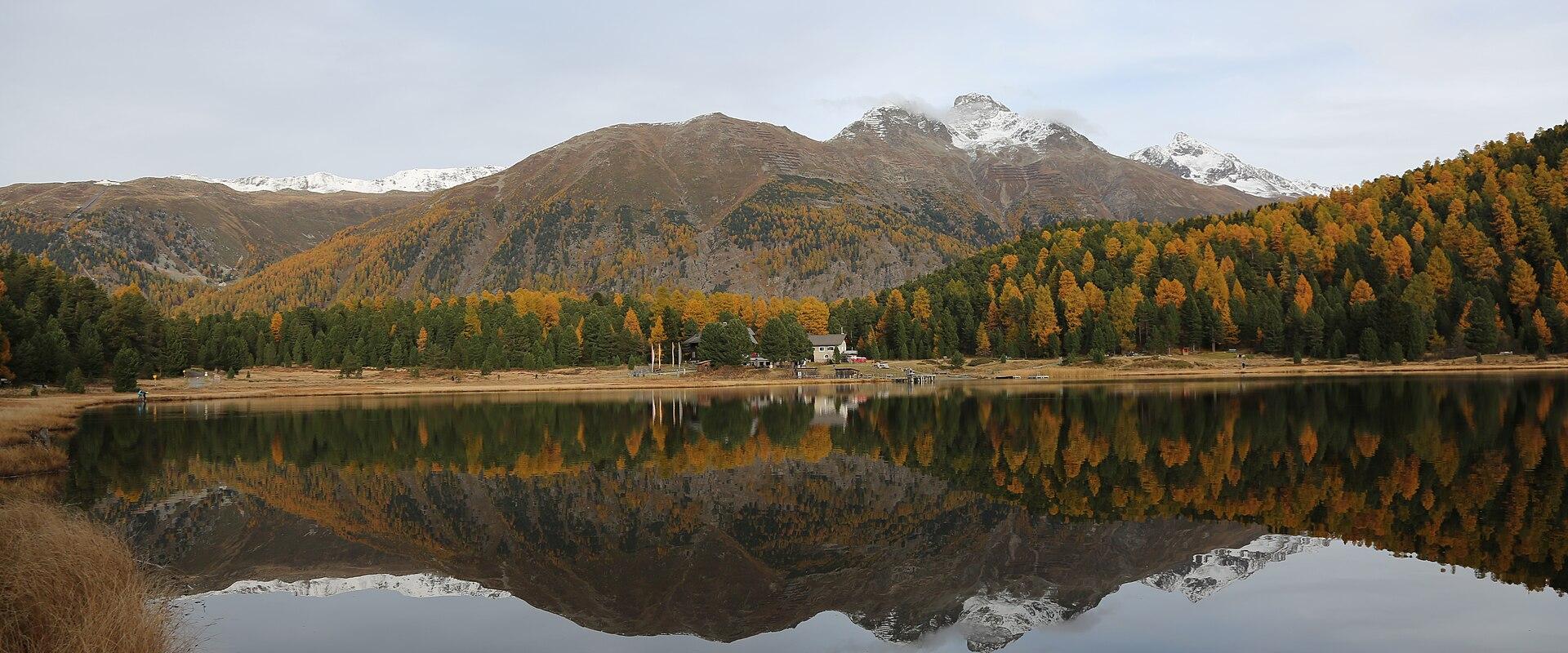
The Stazerwald is a forest on the northern side of the Engadin valley, between St. Moritz and the neighbouring village of Pontresina, and it gives the area one of its best easy walks. It lies on a gentle slope above the valley floor, covered with larch and Swiss stone pine, the tree called Arve in German, which is characteristic of the high Alps. These trees grow slowly and can reach a great age, and they give the forest a distinctive scent and a soft, golden light in autumn when the larches turn the colour of old brass. The Engadin is among the sunniest valleys in the Alps, with dry, clear air and a high altitude, and these conditions help the stone pines to thrive.
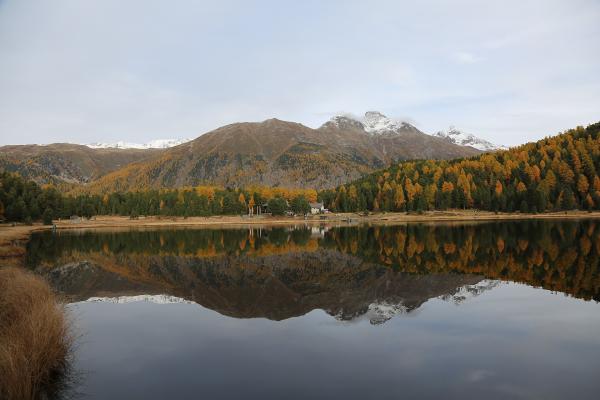
Inside the forest, small lakes add to its charm. The two best known are Lej da Staz and Lej Nair, the Black Lake, which lie among the trees and reflect the dark green of the forest. In summer the water of Lej da Staz warms enough for swimming, and the shore is a popular spot for sunbathing and picnics, with the larches and pines providing shade. On a calm day the lake reflects the mountains, and the quiet, interrupted only by birdsong and the wind in the trees, makes it a favourite place for those who want to escape the busy resort. The setting is typical of the region's gentler side, in contrast to the high, glaciated terrain visible in the distance.
A network of footpaths and tracks crosses the forest, linking St. Moritz, the lakes and Pontresina, so you can walk for as long as you like. Many of the routes are level or gently sloping, suitable for families and walkers of all abilities, and benches and picnic places are placed at intervals. The forest is used by joggers and cyclists, and in winter the paths are groomed for cross-country skiing and winter walking, with snow covering the trees and lakes. Horse-drawn sleigh rides, a traditional Engadin pastime, also operate in the area in winter, depending on conditions.
Wildlife may be seen by the quiet and patient. Birds such as the spotted nutcracker, which feeds on the seeds of stone pines and helps to spread them, are common, and squirrels, deer and chamois may be glimpsed, while marmots live on the open slopes above the tree line. Walkers should stay on the paths, keep dogs on a lead and avoid disturbing animals, particularly in spring and early summer. Fires and camping are not allowed.
The Stazerwald is free and open all year, though access in winter depends on snow. It suits walkers, cyclists, families and anyone seeking calm. It is within reach of St. Moritz on foot, by bus or by bicycle, and signposts mark the routes. Allow one to three hours depending on the route, and bring water, sun protection and a light jacket, as the weather can change quickly at this altitude. Combine a walk with a visit to the Segantini Museum or a stroll by Lake St. Moritz.
Categories
More photos coming soon
Nearby Attractions
Other places to visit in St. Moritz
Bobsleigh Run
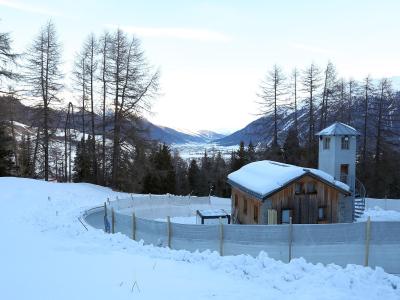
World's only natural ice bobsleigh run
Guided Tours · Winter Sports
Corvatsch (Ski Slopes)
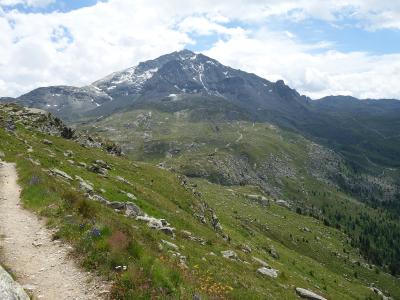
Highest Swiss ski station with 360-degree Alpine views
Mountains · Winter Sports
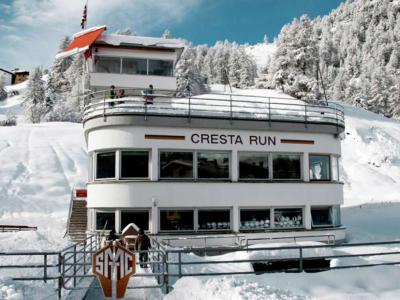
Cresta Run
Headfirst ice sled run established in 1884
Winter Sports
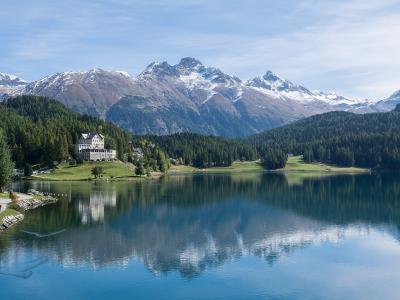
Lake St. Moritz
Alpine lake in St. Moritz, Switzerland
Lakes & Rivers · Winter Sports
Questions people ask
Quick Facts
Best Time to Visit
June to October offers mild weather, blooming alpine scenery, and ideal conditions for hiking, lake activities, and exploring St. Moritz’s attractions.