- Where
- St. Moritz, Graubünden
- Directions
- Directions
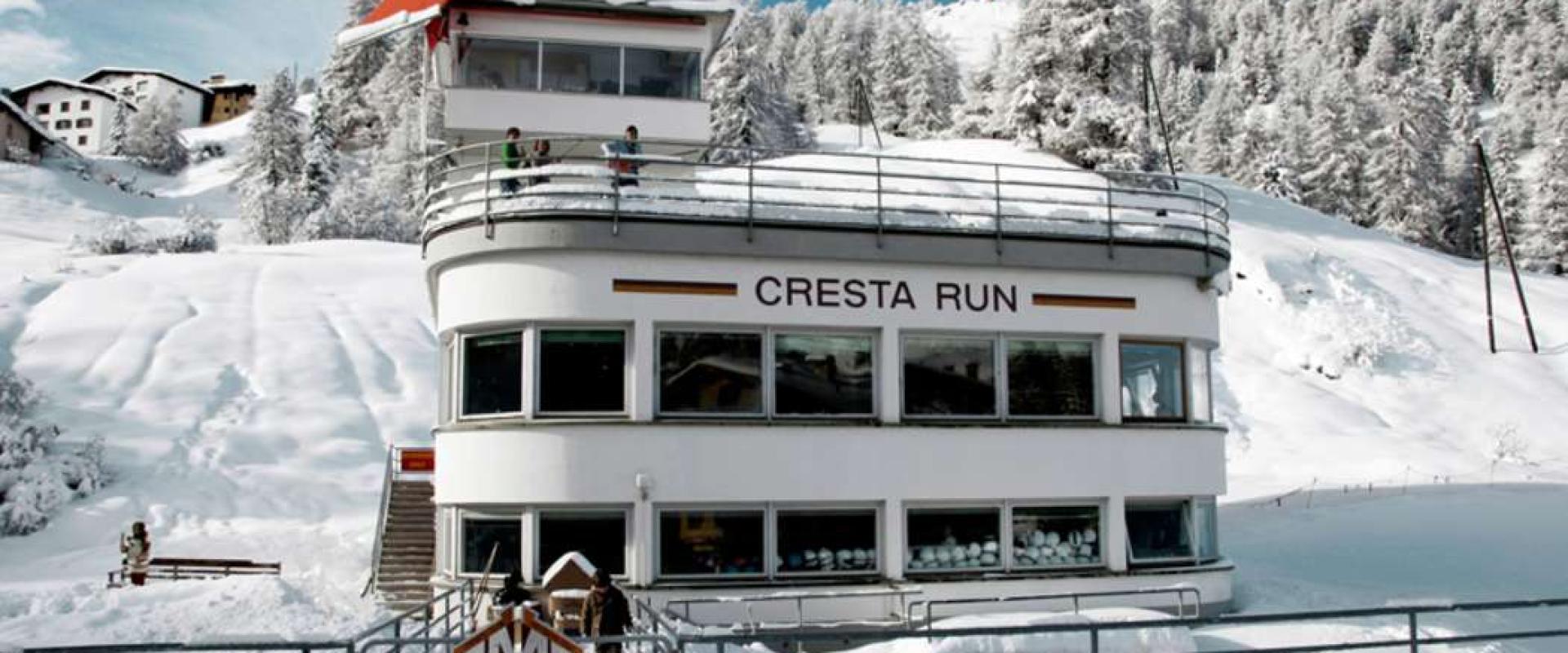
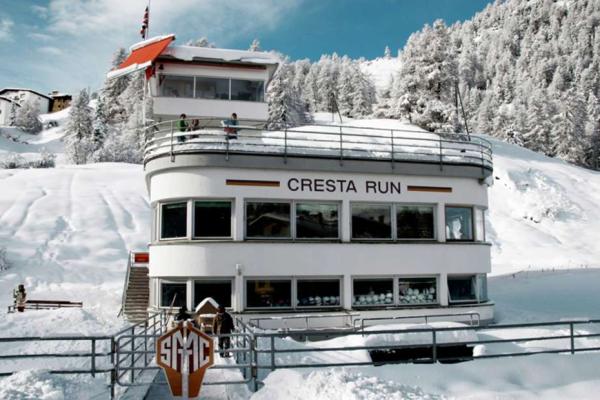
The Cresta Run is a natural ice track in St. Moritz, on which riders slide headfirst on a steel sled called a skeleton, and it is one of the most famous and most extreme winter sports sites in the world. It was first built in 1884 by British visitors, who by then had been coming to St. Moritz for winter holidays for two decades, and who were looking for new thrills. The St. Moritz Tobogganing Club, founded in 1887, has run it ever since, and it has remained an institution with traditions, rules and a clubhouse that recall the era of its founders. The track is built each winter from snow and water, shaped by hand into a channel of ice that runs for just over twelve hundred metres from the start near the old village down to the hamlet of Celerina, dropping about a hundred and fifty metres.
The run is a feat of craft. Each season, a team of workers builds the track from scratch, packing snow into a bed and spraying it with water so that it freezes into a smooth, hard surface, and they sculpt the banked curves by eye and hand, using templates and long experience. The curves have names such as Shuttlecock, Battledore and Bulpett's Corner, and each presents a challenge to the rider. Riders lie on their stomachs on the sled with their chin a few centimetres from the ice, steering by shifting their weight and using the toe of their boots as brakes at the start, and by the finish they can reach speeds of around 130 to 140 kilometres per hour. The sensation is described as exhilarating and terrifying, and the sport has a reputation for danger, though protective gear such as helmets, pads and gloves is mandatory.
The Cresta has a place in Olympic history. Skeleton racing was held on the track during the Winter Games of 1928 and 1948, both of which took place in St. Moritz, and the sport has since returned to the Olympic programme, though on modern artificial tracks. The Cresta itself remains a place for amateurs, and the club organises races and the Curzon Cup, one of the oldest contests in winter sport. The season runs from late December to the end of February, depending on the weather, and the track is open only on certain days.
Spectators can watch from the paths beside the track, and from certain vantage points near the curves, where the sound of the sled on the ice and the sight of the rider flashing past are impressive. Rules on watching are strict, and it is important to follow the instructions of the club staff and to keep behind barriers. Riding is arranged through the club, with an introductory course for beginners that includes instruction, equipment and a series of descents from lower starts, and there are age and safety requirements, as well as rules about who may ride, so inquire well in advance. The experience is expensive and carries real risks, and those with health problems should not take part.
The Cresta suits sport enthusiasts, history readers and photographers. A visit to watch takes an hour or two, and it combines well with a walk in St. Moritz, the leaning tower and a lunch at one of the mountain restaurants. Dress warmly and wear shoes with grip, since the paths can be icy.
Categories
More photos coming soon
Nearby Attractions
Other places to visit in St. Moritz
Bobsleigh Run
World's only natural ice bobsleigh run
Guided Tours · Winter Sports
Corvatsch (Ski Slopes)
Highest Swiss ski station with 360-degree Alpine views
Mountains · Winter Sports
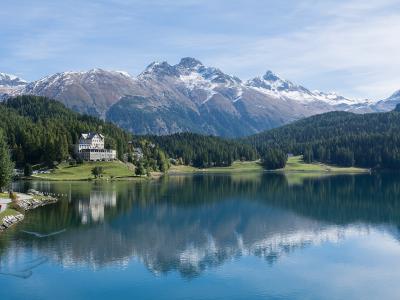
Lake St. Moritz
Alpine lake in St. Moritz, Switzerland
Lakes & Rivers · Winter Sports
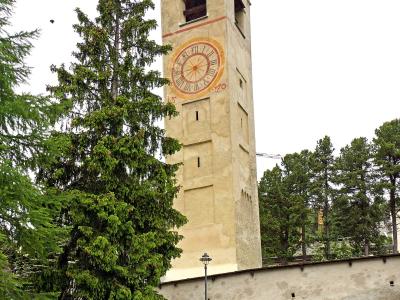
Leaning Tower Of St. Moritz
12th-century leaning bell tower in St. Moritz
Free Cultural Experiences · History & Heritage
Questions people ask
Quick Facts
Best Time to Visit
June to October offers mild weather, blooming alpine scenery, and ideal conditions for hiking, lake activities, and exploring St. Moritz’s attractions.