
- Admission
- Free
- Hours
- Daily 10:00 AM to 6:00 PM
- Where
- St. Moritz, Graubünden
- Directions
- Directions
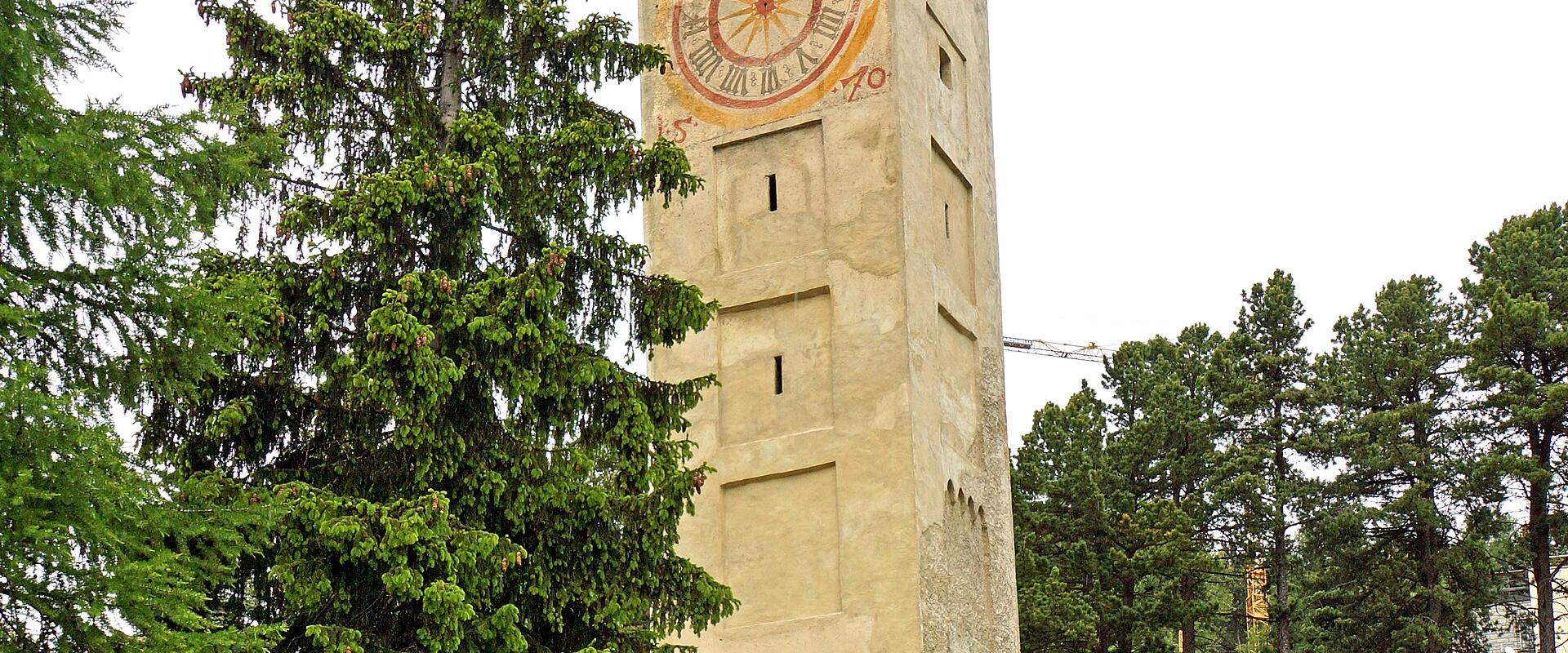
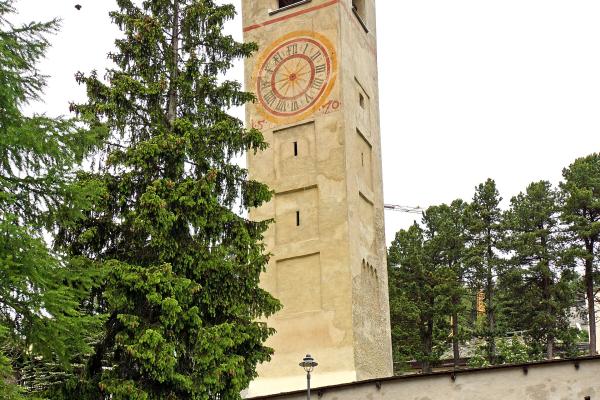
The Leaning Tower of St. Moritz, known locally as the Schiefer Turm, is a bell tower that stands at an angle on the hillside above the town, and it is one of the best-known symbols of the resort. It is the surviving part of the medieval church of Saint Mauritius, the saint after whom the town is named, and the rest of the church was demolished at the end of the nineteenth century, when a new church was built elsewhere. The tower was left in place, and today it stands alone on a small terrace, its tilt more obvious without a nave beside it. It is about 33 metres high, with a leaning angle of about five and a half degrees, which is greater than that of the more famous tower at Pisa, and from the street the lean is striking, especially against a backdrop of mountains.
The tilt has a geological explanation. The tower stands on ground that is slowly moving, and its foundations are not firm, so over the centuries the tower has settled unevenly and leaned further. Engineers have measured and monitored the movement, and in modern times the tower has been stabilised to prevent further tilting. The ground in the Alps is often unstable, because of landslides, thawing permafrost, water and steep slopes, and this tower is a good example of how buildings can respond. Because of the monitoring, the tower is considered safe, but the interior is closed to visitors, and the tower is best admired from the outside.
The tower is of medieval origin, built in the twelfth century or thereabouts, and it has been altered over time, with a tall, square shaft of stone and a pointed roof. The church that stood beside it was a parish church for the village of St. Moritz, and the tower's bells called the faithful to prayer for centuries. The change of religion in the Engadine in the sixteenth century made the church Protestant, and the interior would have been plain. The demolition of the church in 1893 was part of the growth of the resort, when the old village was rebuilt with hotels and the road system, and the decision to keep the tower was a gesture to history. A small plaque and an information board explain the story.
The tower stands at the edge of the old centre of St. Moritz Dorf, near the main street, the Via Maistra, and it is a short walk from the Town Hall and the shopping streets. It is a good meeting point and a classic photograph, with the tilt at its best seen from the road below and from the terrace beside it. A short walk uphill leads to a small park with views over the lake and the valley, and the Segantini Museum is a short distance away. The area is free to visit at any time, and the tower is lit in the evening, so a visit at dusk can be rewarding.
The tower suits all visitors, and a stop of ten to twenty minutes is enough. It combines easily with a walk through the old village and a coffee. Because the tower is on a street with traffic, take care when stopping to take photographs, and check with the tourist office if you want information about guided walks that include the tower.
Categories
More photos coming soon
Hours & Fees
- Open
- Daily 10:00 AM to 6:00 PM
- Admission
- Free
Hours and prices change, especially out of season. Check with the venue before you go.
Nearby Attractions
Other places to visit in St. Moritz
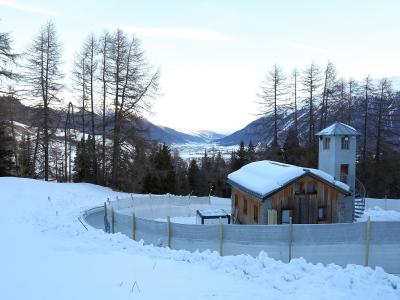
Bobsleigh Run
World's only natural ice bobsleigh run
Guided Tours · Winter Sports
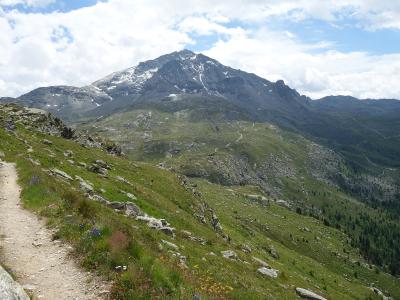
Corvatsch (Ski Slopes)
Highest Swiss ski station with 360-degree Alpine views
Mountains · Winter Sports
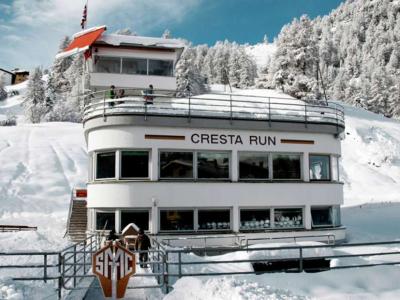
Cresta Run
Headfirst ice sled run established in 1884
Winter Sports
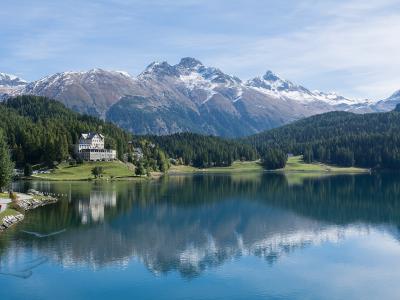
Lake St. Moritz
Alpine lake in St. Moritz, Switzerland
Lakes & Rivers · Winter Sports
Questions people ask
Quick Facts
Best Time to Visit
June to October offers mild weather, blooming alpine scenery, and ideal conditions for hiking, lake activities, and exploring St. Moritz’s attractions.