







- Admission
- Adults CHF 15, Students 16-25 CHF 10
- Hours
- May 20–Oct 15: Tue-Sun 11:00-17:00; Dec 16–Apr 13: Tue-Sun 11:00-17:00
- Where
- St. Moritz, Graubünden
- Directions
- Directions
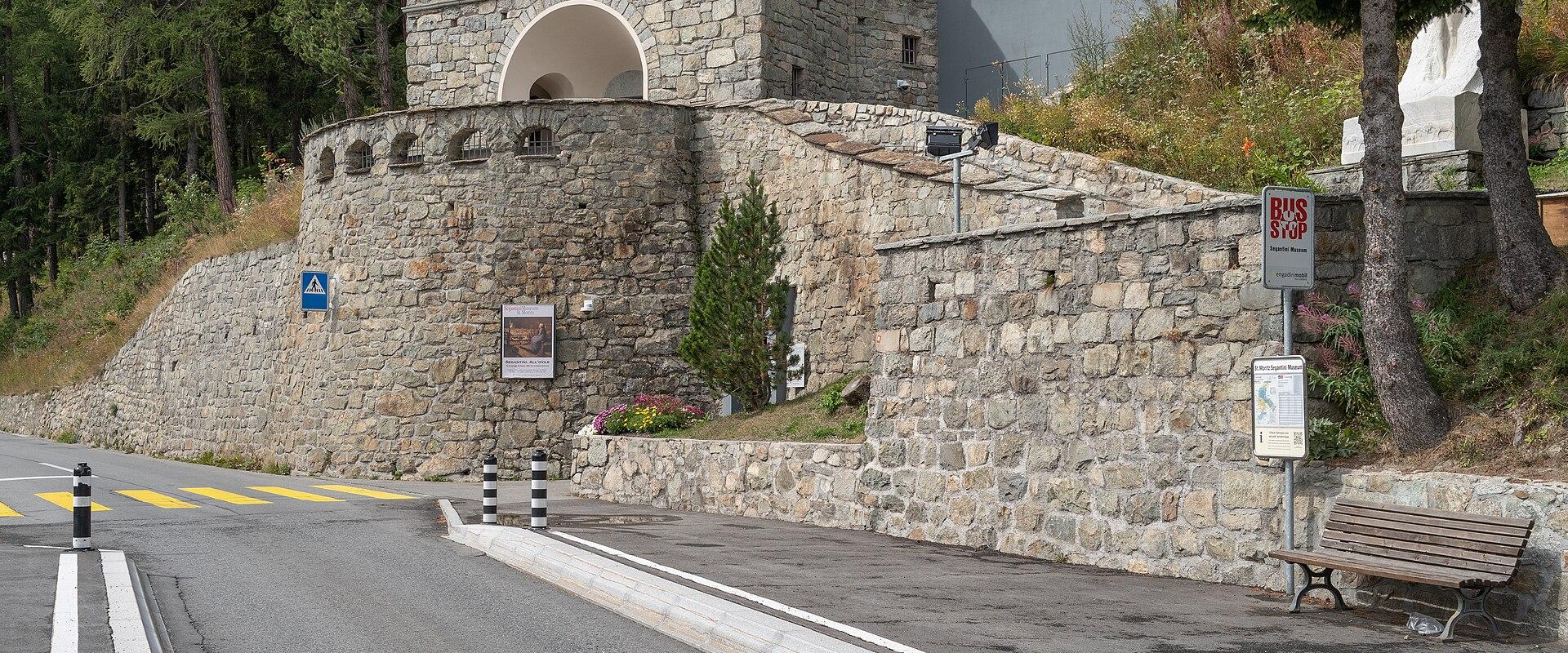
The Segantini Museum in St. Moritz is a small museum dedicated to the painter Giovanni Segantini, who lived and worked in the Engadine in the 1890s and died in 1899 at the age of forty-one. Segantini, born in Arco in what was then Austria and is now Italy, became one of the best-known painters of the Alps, famous for his luminous landscapes of high-mountain light and for scenes of peasant life painted with a technique of separated brushstrokes related to divisionism. He settled first in Savognin and then in Maloja, in the Upper Engadine, where he found the pure air and clear light that he sought, and the Alpine mountains became his main subject.
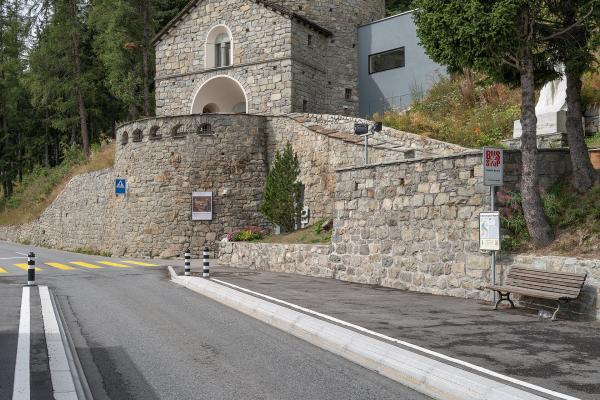
The museum was built in 1908, nine years after his death, as a memorial to him, and its building is part of the story. It was designed by the architect Nicolaus Hartmann as a domed rotunda in a manner that has something of a chapel or a temple about it, and it sits on a hillside above Lake St. Moritz with a view over the water. The building was inspired by a pavilion that Segantini himself had planned for the Paris world exhibition of 1900, where he intended to show a monumental panorama of the Engadine, and the museum was created in that spirit. The dome and the quiet hall inside make a setting in which the paintings are the focus.
The centrepiece is the great triptych Werden – Sein – Vergehen, Becoming – Being – Passing, which shows the cycle of life in three large landscapes of the Upper Engadine: birth and the beginning of the day, the fullness of life and the end of life and death. It was Segantini’s last major work, left unfinished when he died on the Schafberg above Pontresina, and it hangs in the central hall of the museum. Alongside it the museum shows other paintings and drawings, including Ave Maria at the Crossing, a work from his earlier years, known in German as Ave Maria bei der Überfahrt, and studies that show how he developed his techniques. The paintings convey a feeling of spirituality in nature, in which people and animals are part of the landscape.
The museum is small, and a visit takes an hour or less, but the paintings reward slow looking. The seasonal opening times are limited and change from year to year, with a closed period in spring and autumn, so check the current schedule before you plan your trip. A walk up from the town centre takes around fifteen minutes and gives views over the lake.
The museum suits art lovers and visitors who want an alternative to the resort’s skiing and shopping. It pairs well with the Segantini works in other Engadine locations, including the mountain landscapes around Maloja in the Engadine Valley.
Categories
More photos coming soon
Hours & Fees
- Open
- May 20–Oct 15: Tue-Sun 11:00-17:00; Dec 16–Apr 13: Tue-Sun 11:00-17:00
- Admission
- Adults CHF 15, Students 16-25 CHF 10
Hours and prices change, especially out of season. Check with the venue before you go.
Nearby Attractions
Other places to visit in St. Moritz
Bobsleigh Run
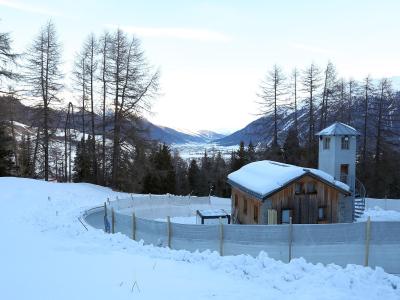
World's only natural ice bobsleigh run
Guided Tours · Winter Sports
Corvatsch (Ski Slopes)
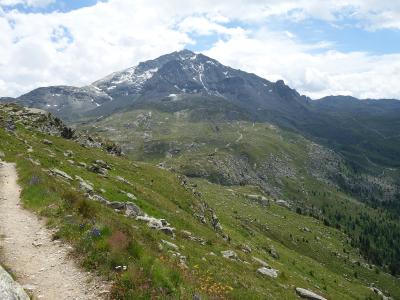
Highest Swiss ski station with 360-degree Alpine views
Mountains · Winter Sports
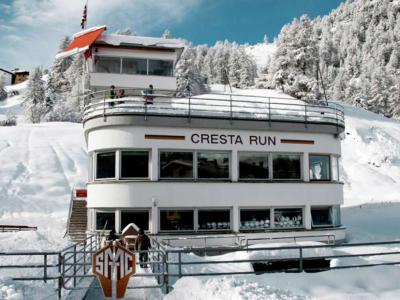
Cresta Run
Headfirst ice sled run established in 1884
Winter Sports
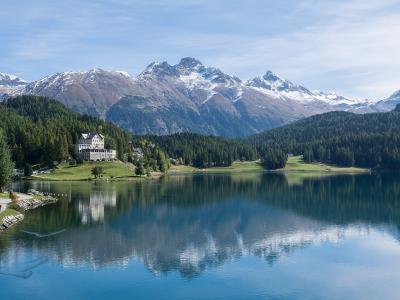
Lake St. Moritz
Alpine lake in St. Moritz, Switzerland
Lakes & Rivers · Winter Sports
Questions people ask
Quick Facts
Best Time to Visit
June to October offers mild weather, blooming alpine scenery, and ideal conditions for hiking, lake activities, and exploring St. Moritz’s attractions.