
- Admission
- Adults CHF 22.00
- Children under 12 free
- Hours
- Thursday and Friday 12:30 to 17:00 (check official website for bank holidays and specific...
- Where
- Küsnacht, Zurich
- Directions
- Directions
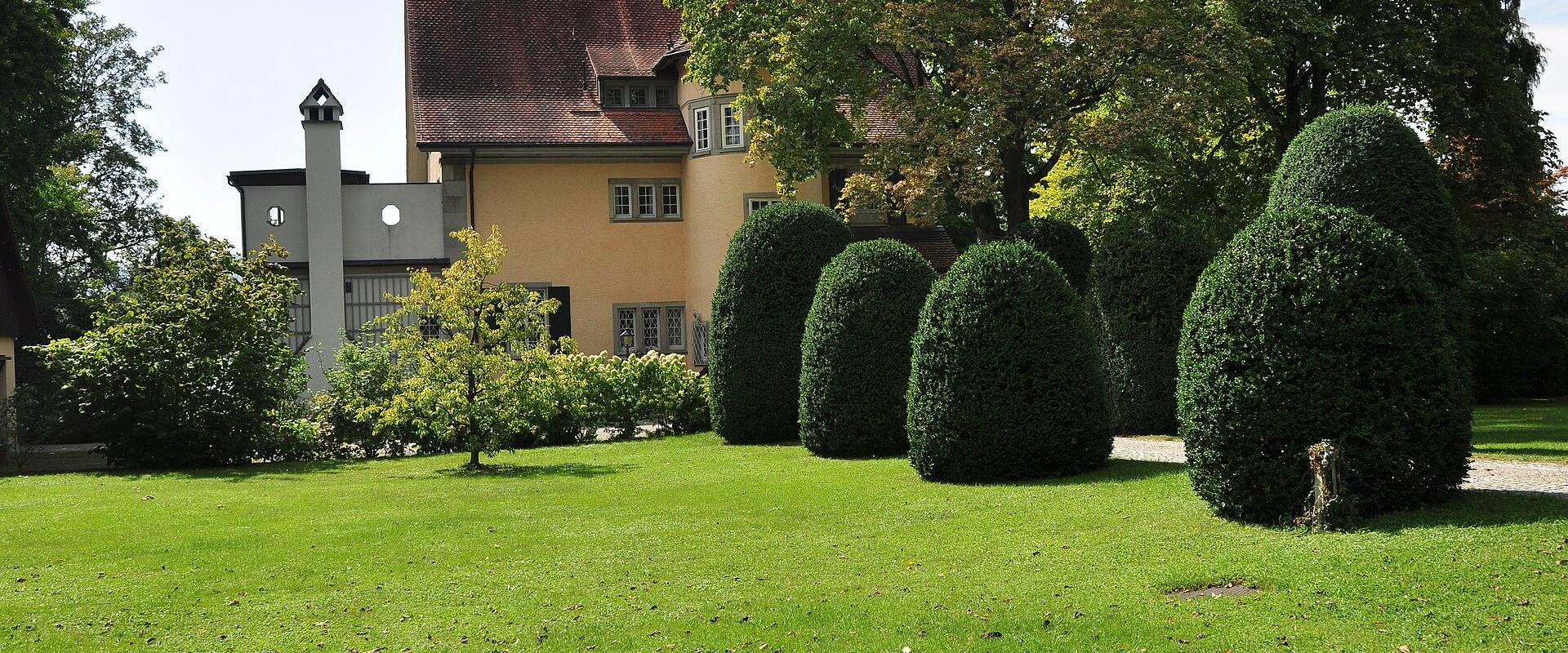
The house at Seestrasse 228 in Küsnacht, on the right shore of Lake Zürich, was the home of Carl Gustav Jung for more than fifty years, and it is now open as a museum. Jung, born in 1875 in the canton of Thurgau, was one of the founders of modern psychology and the creator of what he called analytical psychology. After working at the Burghölzli psychiatric clinic in Zürich and collaborating with Sigmund Freud, he broke with Freud and developed his own ideas, which include the concepts of the collective unconscious, archetypes, introversion and extraversion, and individuation, the lifelong process of becoming a whole person. His thought has had a wide influence not only in psychology but also in literature, art, religion and popular culture. For students and admirers, the house in Küsnacht is a place of pilgrimage.
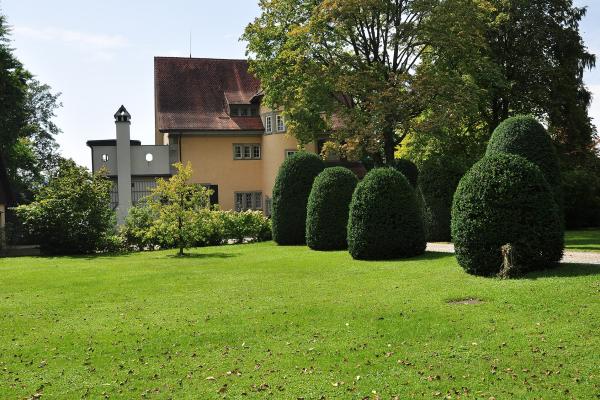
Jung built the house in 1908 and 1909 with his wife Emma, who also became an analyst and writer, and the architect was a cousin, Ernst Fiechter. It is a stately villa in a style typical of the Swiss upper middle class of the period, with a symmetrical front, a mansard roof and generous rooms, and it stands on a plot that runs down to the lake, with a garden and a landing stage. The family lived here, raising five children, and Jung had his consulting room and study in the house, where he saw patients, wrote his books and received visitors from around the world. He remained until his death in 1961. For decades the house remained a private residence, kept by the family, and only in recent years has it been opened to the public as a museum, after a restoration.
A visit is a guided one, usually in small groups, which gives a sense of intimacy. The rooms contain furniture, books, objects and works of art that belonged to the family, and visitors see the study, with its desk and library, and the room where Jung received patients and guests. Exhibits explain the development of his ideas and the context in which he worked, and a short film or display shows documents and photographs. Because the house was lived in, it has a domestic character quite different from a conventional museum, and the garden by the lake adds to the sense of a family home. Jung also built a stone tower on the shore of the upper Lake Zürich, at Bollingen, in 1923, where he went to retreat and write, and the Küsnacht house is only one of the places connected with his life.
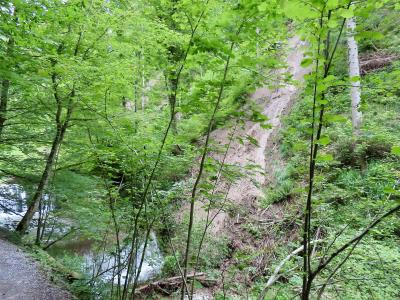
The museum has limited opening days, so check the official website for hours, ticket prices and booking conditions, and reserve in advance, since places on tours are limited. Information is offered in German and English. The house is reached by the lake railway from Zürich in about fifteen minutes, followed by a short walk or bus ride, and the C. G. Jung Institute, also in Küsnacht, is nearby. The Küsnachter Tobel, a wooded ravine with walking paths, is another place to visit locally.
The museum suits students of psychology, readers of Jung and anyone curious about the history of ideas. Allow about two hours for a guided visit and the garden. Respect the quiet atmosphere of the neighbourhood and the rules about photography.
Categories
More photos coming soon
Hours & Fees
- Open
- Thursday and Friday 12:30 to 17:00 (check official website for bank holidays and specific dates)
- Admission
- Adults CHF 22.00; children under 12 free
Hours and prices change, especially out of season. Check with the venue before you go.
Nearby Attractions
Other places to visit in Küsnacht
Questions people ask
Quick Facts
Best Time to Visit
Late June to early September offers warm weather, lakeside activities, and ideal conditions for hiking, strolling, and exploring Küsnacht’s attractions.