







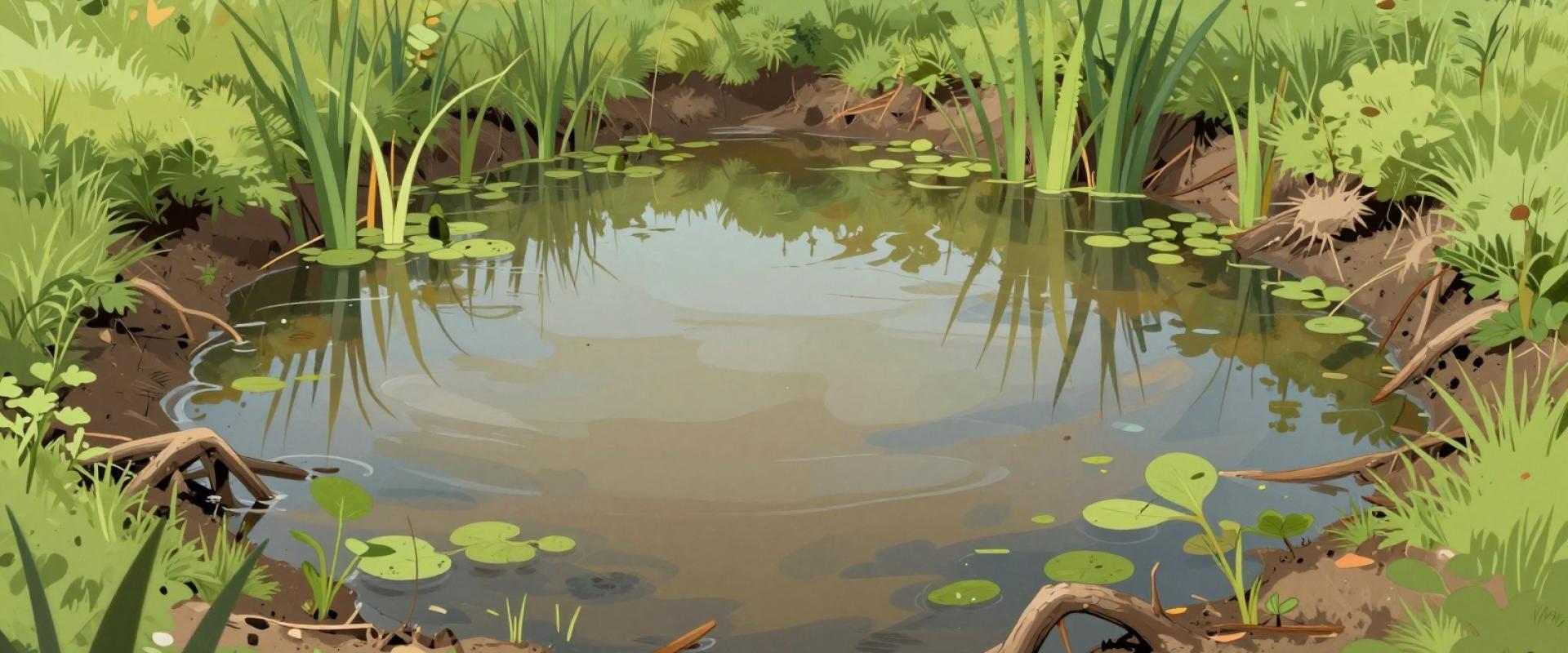
Klingenthal-Lachmatt Amphibian Spawning Site
Amphibian spawning site in Arlesheim, Switzerland
- Hours
- Tue–Fri 14:00–17:00, Sat/Sun 11:00–17:00 (Museum only)
- Where
- Arlesheim, Basel
- Directions
- Directions
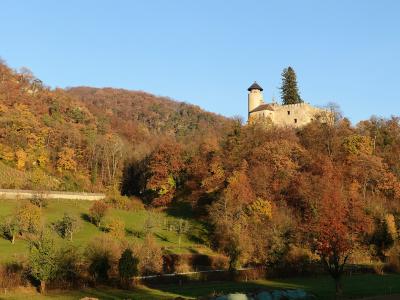
Arlesheim is a municipality south of Basel, at the foot of the first ridges of the Jura, and it is known for the Ermitage, a romantic landscape garden laid out in the eighteenth century, the ruined castle of Birseck above it and the Baroque cathedral in the village. It is also home to a quieter attraction, a protected amphibian spawning site, a place where frogs, toads and newts gather each spring to breed. The Klingenthal-Lachmatt site is one of the many small areas of wetland in Switzerland that are listed and protected because they are crucial for amphibians, which are among the most threatened groups of animals in the country.
Amphibians need water to breed, and the eggs and tadpoles develop in ponds, ditches and puddles, so the loss of such habitats has hit them hard. Over the last two centuries, drainage of wetlands, the filling-in of ponds and the spread of roads and settlements have destroyed most of the breeding places in the Swiss lowlands, and several species have declined sharply. In response, Switzerland maintains a federal inventory of amphibian spawning sites of national importance, which protects hundreds of locations, including permanent sites and the temporary pools in gravel pits and quarries that some species prefer. The sites are managed to keep ponds open, with the right depth and sunlight, and to prevent fish being released in them, since fish eat tadpoles.
The species that might be present in a site of this type in the Basel region include the common toad, the common frog, the great crested newt and the palmate and alpine newts, as well as the yellow-bellied toad, the midwife toad and the European tree frog, a small green climber with a loud call. The animals spend most of the year on land, in woods and meadows, and move toward the breeding ponds in early spring, usually in March and April on mild, damp evenings after sunset. The migration can involve thousands of animals crossing roads and paths, and in many places volunteers set up fences and carry the animals across in buckets, or authorities close roads for a few nights. The spectacle of toads and frogs gathering in a pond, with males calling and clasping females, is memorable to those who see it, and it is best observed quietly from the edge.
Visitors have a role in protecting the site. It is important to keep to marked paths, to keep dogs on a lead, not to enter the water or disturb the vegetation, and never to take spawn, tadpoles or animals, which is illegal. Do not release pets, fish or plants into the ponds, since this can harm the ecosystem. Amphibians are sensitive to chemicals, so avoid using insect repellent or sunscreen near the water. The best time to visit is from March to June, in the evening or early morning, and a torch with a dim, preferably red, light is less disturbing.
The site suits nature lovers and families with children who are old enough to respect the rules. It is a short visit, about thirty minutes, and it combines well with the Ermitage garden, the castle ruins and the cathedral in Arlesheim. The village is reached by tram from Basel in about twenty minutes.
Categories
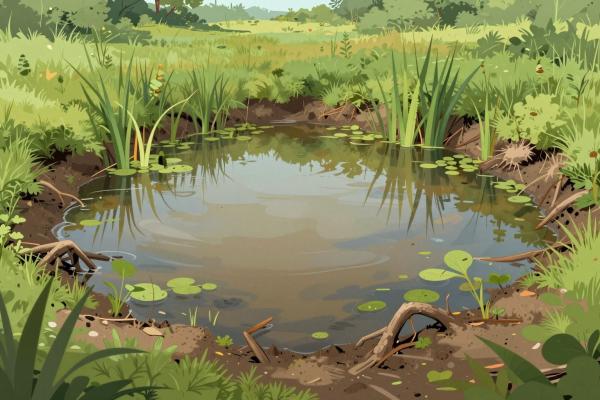
More photos coming soon
Opening Hours
- Open
- Tue–Fri 14:00–17:00, Sat/Sun 11:00–17:00 (Museum only)
Hours and prices change, especially out of season. Check with the venue before you go.
Questions people ask
Quick Facts
Best Time to Visit
April to October offers mild weather, blooming gardens, and ideal conditions for exploring Arlesheim’s cathedral, Ermitage, and hiking trails.