







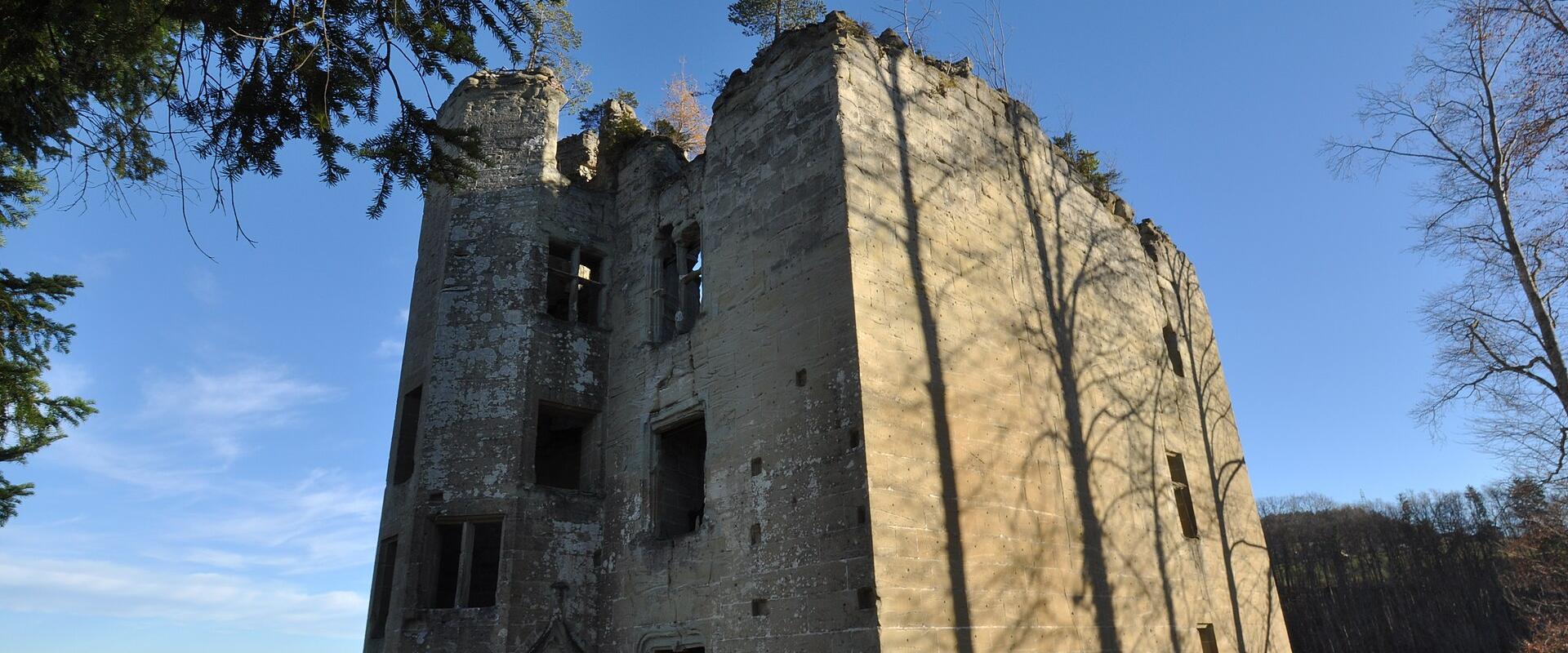
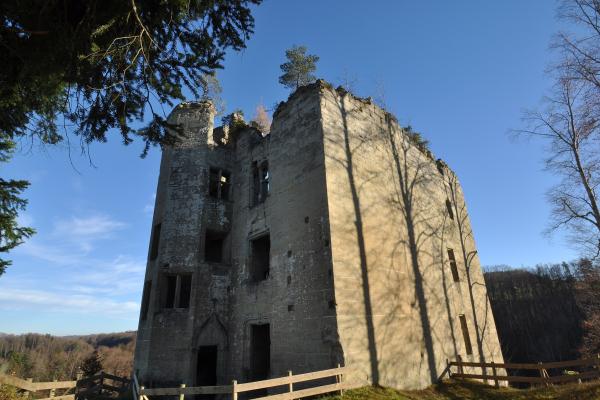
Illens Castle (Ruins)
Medieval ruins in Rossens, Fribourg
- Hours
- Open daily 1:00 PM to 5:00 PM (April to June); 1:00 PM to 5:00 PM (July and August).
- Where
- Rossens, Fribourg
- Directions
- Directions
The ruins of Illens Castle stand above the Saane valley in the canton of Fribourg, near the village of Rossens, and they belong to a region that was once dotted with the fortresses of local lords. The Saane, called the Sarine in French, is the main river of the canton, and in the Middle Ages it formed a natural line of defence and a route of trade. The castle stood on a rocky spur above the river, with steep slopes on several sides, and it is the kind of site that medieval builders favoured, since the natural terrain made attack difficult and the height gave a view over the valley and the paths along it. The castle is associated with a noble family, the lords of Illens, who held lands in the area from the twelfth century.
What survives is a ruin, not a restored monument, and visitors should expect fragments of walls and foundations overgrown with grass, moss and trees, not rooms or towers. The scale of the stones gives a sense of the original building, and the layout of the site shows where the main tower and the surrounding walls probably stood, with the steep drop on the river side serving as protection. Ruins of this kind are common in Fribourg, a canton that was founded in 1157 by the dukes of Zähringen as a fortified town on the Saane, and whose history is bound up with the rivalry between local lords, the dukes of Savoy and later the Swiss Confederates. In the fifteenth and sixteenth centuries many castles were abandoned as power shifted to the town of Fribourg and its bailiffs, and some were demolished or left to decay.
The landscape around the castle is part of its interest. The valley of the Saane is wooded and deeply cut, with steep slopes of beech and fir above the river, and reservoirs created in the twentieth century have changed some stretches into long, narrow lakes. The Schiffenensee, a reservoir to the north, offers walking and boating, and the Düdinger Moos, a protected wetland near Düdingen, is a good place for bird watching. Walking routes in the region link villages, ruins and viewpoints, and the combination makes an easy half-day outing.
Access to the site is generally by footpath, and it is wise to check current conditions with the local tourist office or a hiking map, since paths can be steep and muddy, and the ruins may be fenced or closed in places for safety. Do not climb on walls, which may be unstable, and keep dogs on a lead. There are normally no facilities at the site, so bring water and a snack. The ruins are open-air and free, and there are no fixed opening hours.
The site suits walkers, history readers and photographers who enjoy quiet places. Allow one to two hours for the visit with the walk. Visit in spring or autumn for comfortable temperatures and good light, and check the weather, since paths become slippery after rain. If you want more context, visit the town of Fribourg, whose old town, cathedral and museums tell the story of the region.
Categories
More photos coming soon
Opening Hours
- Open
- Open daily 1:00 PM to 5:00 PM (April to June); 1:00 PM to 5:00 PM (July and August).
Hours and prices change, especially out of season. Check with the venue before you go.
Nearby Attractions
Closest attractions by distance

Fribourg Pre-Alps Panorama
Panoramic view of the Alps from Gruyères
Natural Wonders
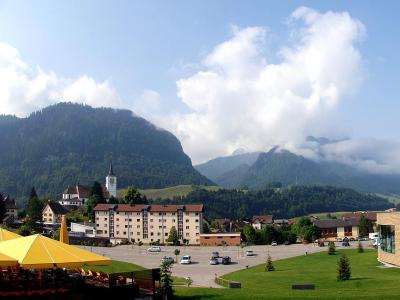
Centre De Sports Et Loisirs Du Val-de-Charmey
Multi-sport center in Charmen with pool and tennis
Activities & Adventure
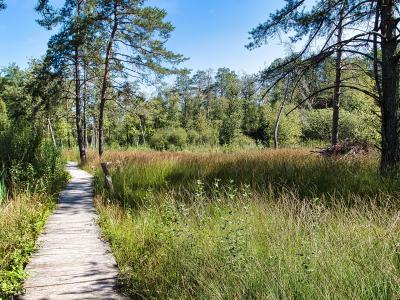
Düdinger Moos
Protected 15,000-year-old peat bog nature reserve
Free National Parks · Walking Trails
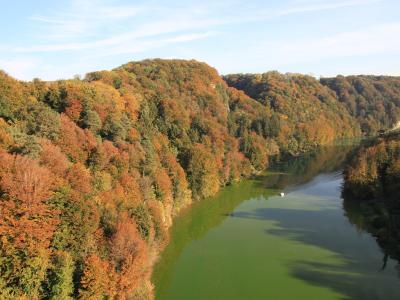
Schiffenensee
Artificial lake in Düdingen, Switzerland
Free Lakes & Rivers · Viewpoints
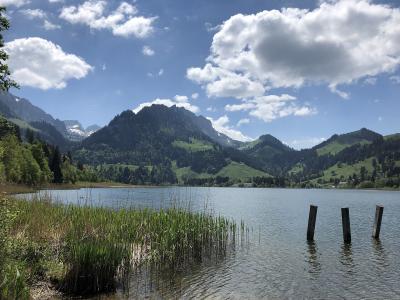
Schwarzseer See (Lac De Schwarzsee) And Lake Trail
Circular lake trail in Swiss alpine landscape
Free Lakes & Rivers · Walking Trails
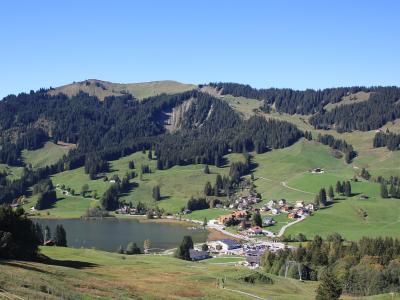
Ice Skating / Ice Hockey (Lac Noir Schwarzsee)
Frozen lake ice skating in Swiss Alps
Free Lakes & Rivers · Winter Sports
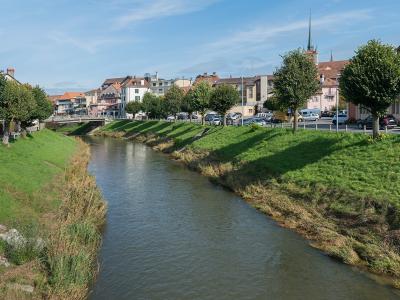
Broye Valley
Largest Romanesque church in the Broye Valley
Cultural Experiences · History & Heritage
Abbaye De Payerne (Payerne Abbey)
11th-century Romanesque abbey in Payerne
Cultural Experiences · History & Heritage
Questions people ask
Quick Facts
Best Time to Visit
April to October, when the lake, the castle grounds and the riverside paths are most pleasant.