

- Admission
- Free
- Hours
- Open year-round
- Where
- Düdingen, Fribourg
- Directions
- Directions
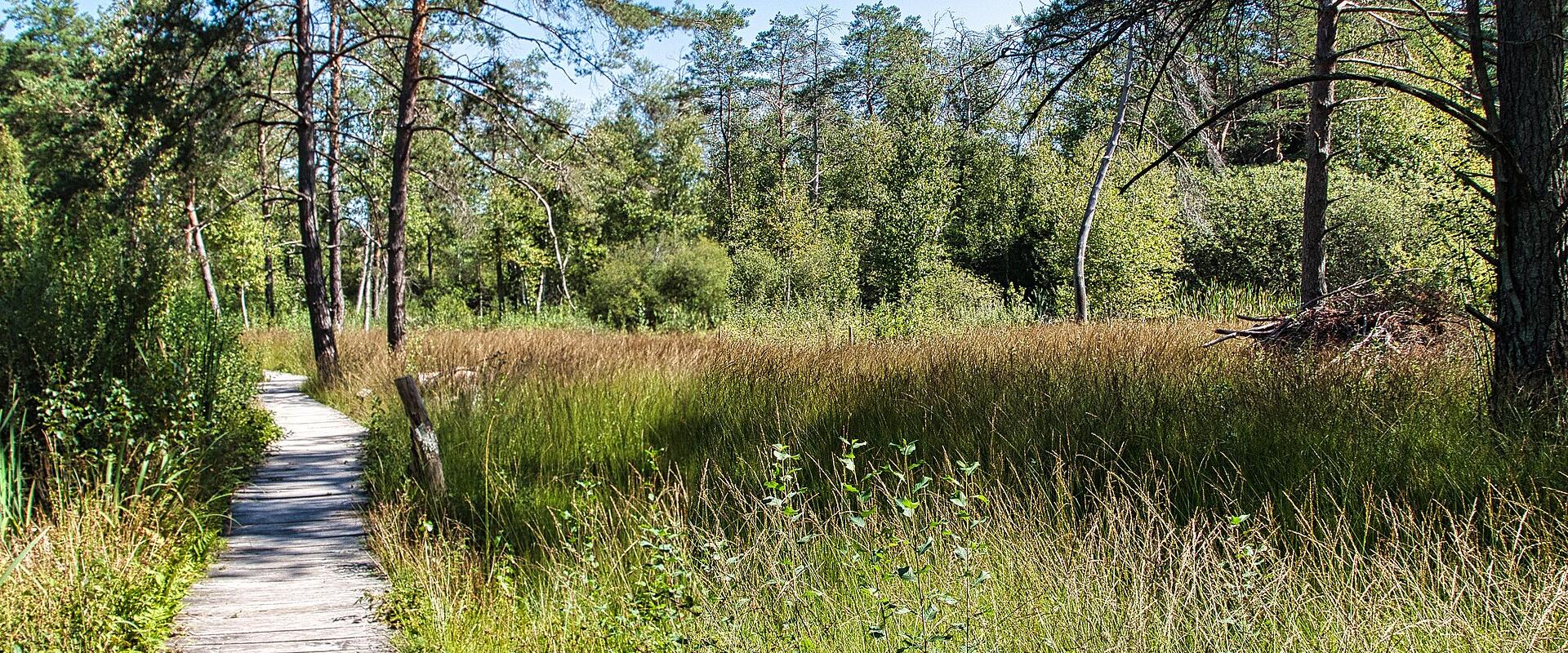
The Düdinger Moos is a protected area in Switzerland of peatland and wet woodland near the town of Düdingen, in the canton of Fribourg, on the German-speaking side of the language border that runs through the canton. A moos, in Swiss German, is a bog or marsh, and this one is a mosaic of raised bogs, fens, ponds and damp forest on a gently rolling terrain left by the glaciers of the last ice age. The peat grew here over thousands of years in hollows left by melting ice, as waterlogged plant remains accumulated without decaying fully, and the layers record changes in climate and vegetation since the end of the ice age.
The reserve is valuable because wetlands of this kind have mostly disappeared from the Swiss Plateau, drained for farming or built over. What remains is a refuge for plants and animals that depend on wet, acidic and low-nutrient conditions. Cotton grass, sundew and bog rosemary grow in the peat, orchids appear in the damp meadows, and the ponds and ditches shelter several species of amphibians, including frogs, toads and newts, as well as dragonflies and other insects. Birds nest in the reeds and the surrounding woods, and in spring the reserve fills with the sound of frogs. Because the plants and the peat are fragile, visitors are asked to stay on the marked paths and to keep dogs on leads.
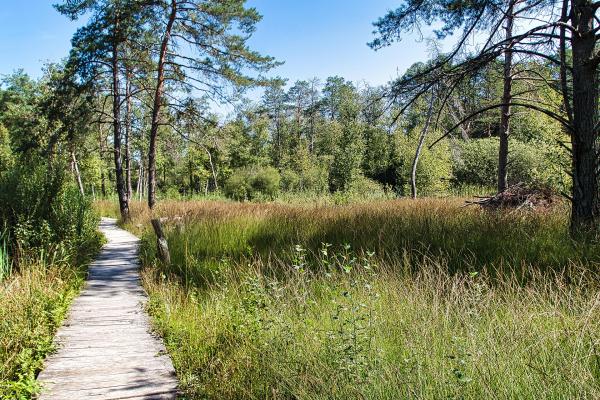
A nature trail winds through the reserve and is easy to walk. Information boards explain the formation of the peat, the plants and the animals, and boardwalks cross the wettest areas so that you do not damage the vegetation. The trail is mostly flat and suits families with children, and it takes one to two hours to complete, depending on how often you stop. In spring and early summer, flowers are at their best, and in autumn the birch and alder trees give colour. In winter, frost and mist give the bog a quiet, stark beauty.
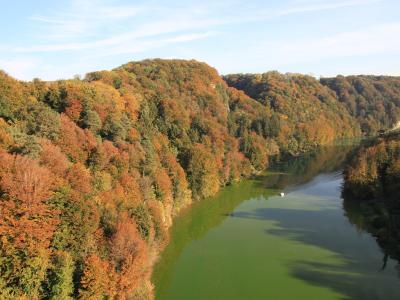
The area is within easy reach of Fribourg and Düdingen by train and bus, and it combines well with other places listed nearby, including the Schiffenensee, a long reservoir on the Saane river, and the ruins of Illens Castle. A visit is more about observing quiet details than seeing dramatic sights, so bring binoculars if you like birdwatching, and wear waterproof shoes after rain. Mosquitoes can be bothersome in summer, so insect repellent is useful.
The reserve suits nature lovers, families and anyone interested in landscape history. It is free to visit and open all year.
Categories
More photos coming soon
Hours & Fees
- Open
- Open year-round
- Admission
- Free
Hours and prices change, especially out of season. Check with the venue before you go.
Nearby Attractions
Other places to visit in Düdingen
Questions people ask
Quick Facts
Best Time to Visit
May to September offers warm weather, lake activities, and ideal conditions for hiking, cycling, and exploring Düdingen’s natural and cultural attractions.