







History
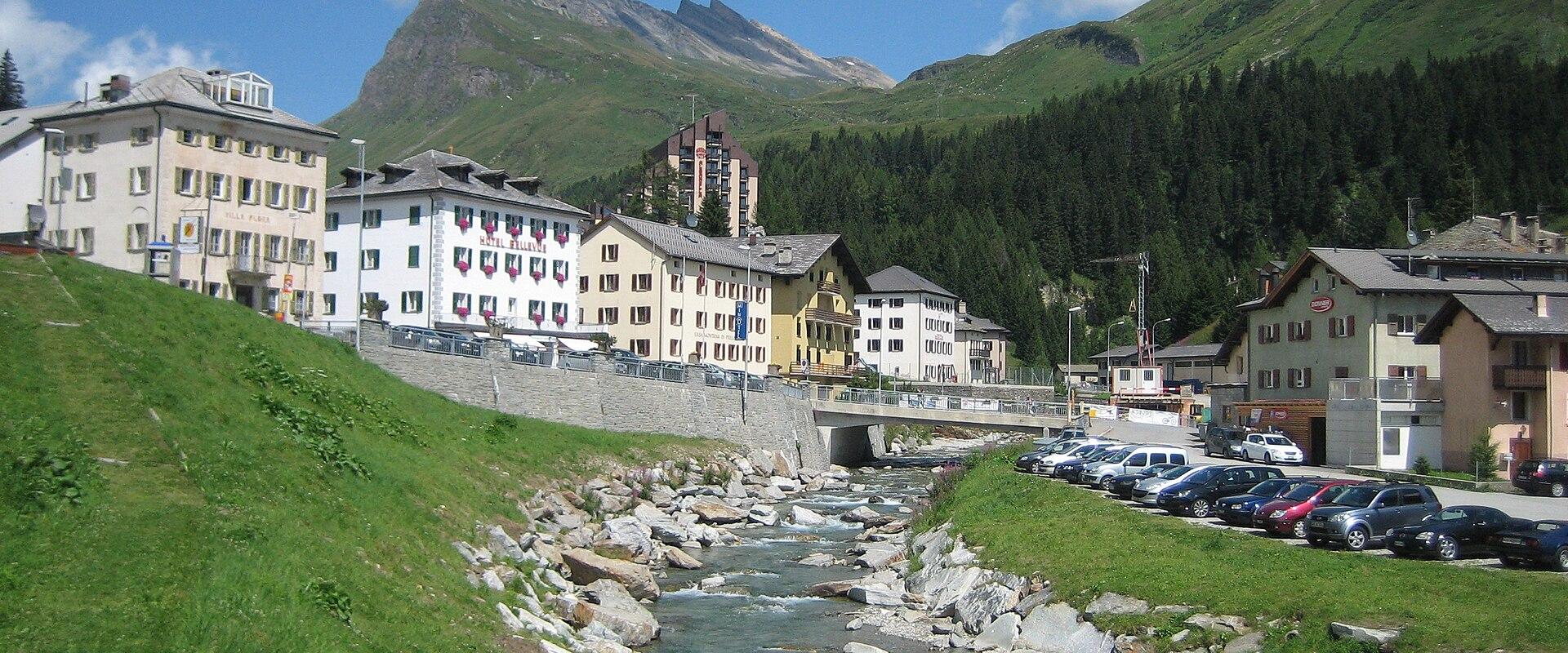
The San Bernardino Pass has long served as a vital artery connecting the German-speaking canton of Graubünden with the Italian-speaking canton of Ticino. For centuries, this high-altitude route was a challenging passage for merchants, pilgrims, and travelers moving between northern and southern Europe. The pass, located at an elevation of 2,066 meters, was historically significant for facilitating trade and cultural exchange across the Alps. The village of San Bernardino itself developed as a resting place for those traversing this difficult terrain, evolving from a simple waystation into a recognized alpine holiday resort.
The construction of the modern road and the subsequent tunnel has transformed the region’s accessibility. While the historic pass road retains its charm and historical significance, the 6.6-kilometer tunnel offers a faster, year-round alternative for through traffic. This duality defines the area’s modern identity: a place where ancient routes coexist with contemporary infrastructure. The village remains a testament to the enduring importance of this connection, preserving its heritage while adapting to the needs of modern tourism. The surrounding landscape, with its high moors and pine forests, has witnessed centuries of change, yet the fundamental character of the pass as a bridge between cultures remains intact.
Main Attractions
The primary attraction of San Bernardino is its stunning alpine landscape, characterized by high moors, dense pine forests, and the expansive views from the pass summit. Lago Moesola, a small lake situated near the top of the pass, serves as a focal point for visitors, offering a serene spot to rest and admire the surrounding peaks. The area is renowned for its fresh mountain air and rich flora, making it a haven for nature enthusiasts.
The historic pass road itself is a major draw, offering a scenic drive that transitions from forested sections to open, high-Alpine moorland. This route provides a meditative driving experience, distinct from the thrill-seeking nature of other Alpine passes. For those preferring to walk, the Percorso Furestin offers a circular hike through the high moor paradise, showcasing the unique ecological features of the region. The village also serves as a gateway to nearby attractions, such as the Viamala Gorge and the UNESCO World Heritage Site of the Fortress of Bellinzona, allowing visitors to explore a broader range of cultural and natural landmarks.
Activities
San Bernardino offers a variety of year-round outdoor activities. In the summer, hiking and biking are popular pursuits, with trails ranging from leisurely walks around Lago Moesola to more challenging ascents up Piz Uccello. The Percorso Furestin is a highlight for hikers, providing an immersive experience in the high moor landscape. Cyclists can enjoy the scenic pass road, though the tunnel is generally reserved for motor vehicles.
Winter transforms the area into a destination for skiing and snowboarding, with slopes available in the surrounding valleys. The region’s elevation ensures reliable snow conditions, attracting visitors seeking alpine sports. Additionally, the area is ideal for photography, with the changing light on the moors and forests providing endless opportunities for capturing the beauty of the Swiss Alps. The relaxed atmosphere encourages visitors to slow down and appreciate the natural surroundings, whether through a quiet walk or a leisurely drive.
Getting There
San Bernardino is accessible via the A13 motorway, which connects Chur in Graubünden to Bellinzona in Ticino. The tunnel provides a quick and efficient route for those traveling through the pass, bypassing the scenic but slower mountain road. For those wishing to experience the historic route, the old pass road is accessible from both the north and south, offering a more immersive journey through the landscape. Public transportation is available via bus services that connect the village to nearby towns and cities, although the frequency may be limited compared to major urban centers. Visitors driving from the north are advised to approach from the south to fully appreciate the transition from forest to moorland as they ascend to the summit.
Best Time to Visit
The best time to visit San Bernardino depends on the desired activities. Summer months, from June to September, offer the best conditions for hiking, biking, and enjoying the outdoor scenery. The weather is generally mild, and the trails are clear of snow. Winter, from December to March, is ideal for skiing and snowboarding, with reliable snow cover on the slopes. The shoulder seasons of spring and autumn can be unpredictable, with possible snowfall and cooler temperatures, but they offer fewer crowds and a unique, tranquil atmosphere. Regardless of the season, the pass road may be closed during heavy snowfall, so checking weather and road conditions before traveling is essential.
Best time to visit
June through September offers mild temperatures and sunny days for hiking, while winter brings freezing conditions for skiing.
What to see in San Bernardino
Our picks first.
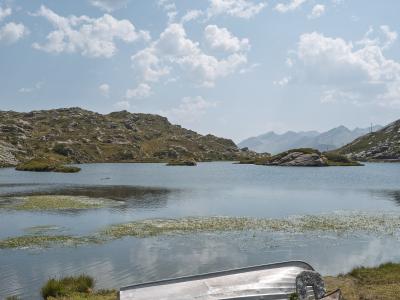
Lago Moesola
Alpine lake at 2,000 meters
Free Activities & Adventure · Natural Wonders
Mineral Springs
Mineral springs in San Bernardino, Switzerland
Walking Trails
The Omega Codex
Outdoor escape game in San Bernardino, Switzerland
Cultural Experiences · History & Heritage
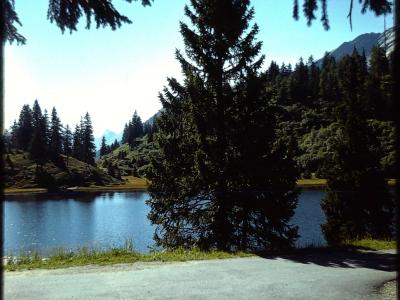
Lag De Pian Doss
Alpine bog in San Bernardino, Switzerland
Free Natural Wonders · Walking Trails
San Bernardino by interest
The same sights, grouped by what you came for.
Did you know?
Checked facts about San Bernardino, each with its source.
-
Film & TV
Hollywood used CA mountains as Switzerland
During Hollywood's Golden Age, filmmakers utilized the San Bernardino Mountains in California to double for settings such as Switzerland, Alaska, and the Wild West, with F.W. Murnau filming scenes for "Sunrise: A Song of Two Humans" in the area in 1927.
Source: main.sbcounty.gov -
History
San Bernardino Tunnel opened in 1967
The San Bernardino tunnel in the Swiss canton of Grisons opened in 1967, complementing the road over the San Bernardino Pass and establishing a new all-year-round route.
Source: en.wikipedia.org
Planning a visit to San Bernardino
Good to know
- Currency
- CHF
- Language
- German, French, Italian and Romansh
Quick Facts
Book your stay
Questions people ask
More places in Graubünden

Graubünden
St. Moritz
Luxury alpine resort with lakes, skiing, and mountain views
Graubünden
Davos
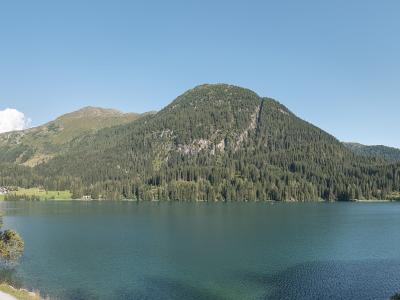
Highest Alpine town in Europe, ski hub & WEF venue

Graubünden
Arosa
Alpine resort with skiing, hiking, and bear sanctuary

Graubünden
Chur
Switzerland’s oldest city with alpine views and historic old town