- Admission
- Approx. 5 CHF for Gornergorge exit fees
- Hours
- Daily 9:00 AM to 5:00 PM; Matterhorn Museum 14:00 to 18:00
- Where
- Zermatt, Valais
- Directions
- Directions
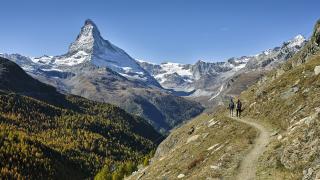
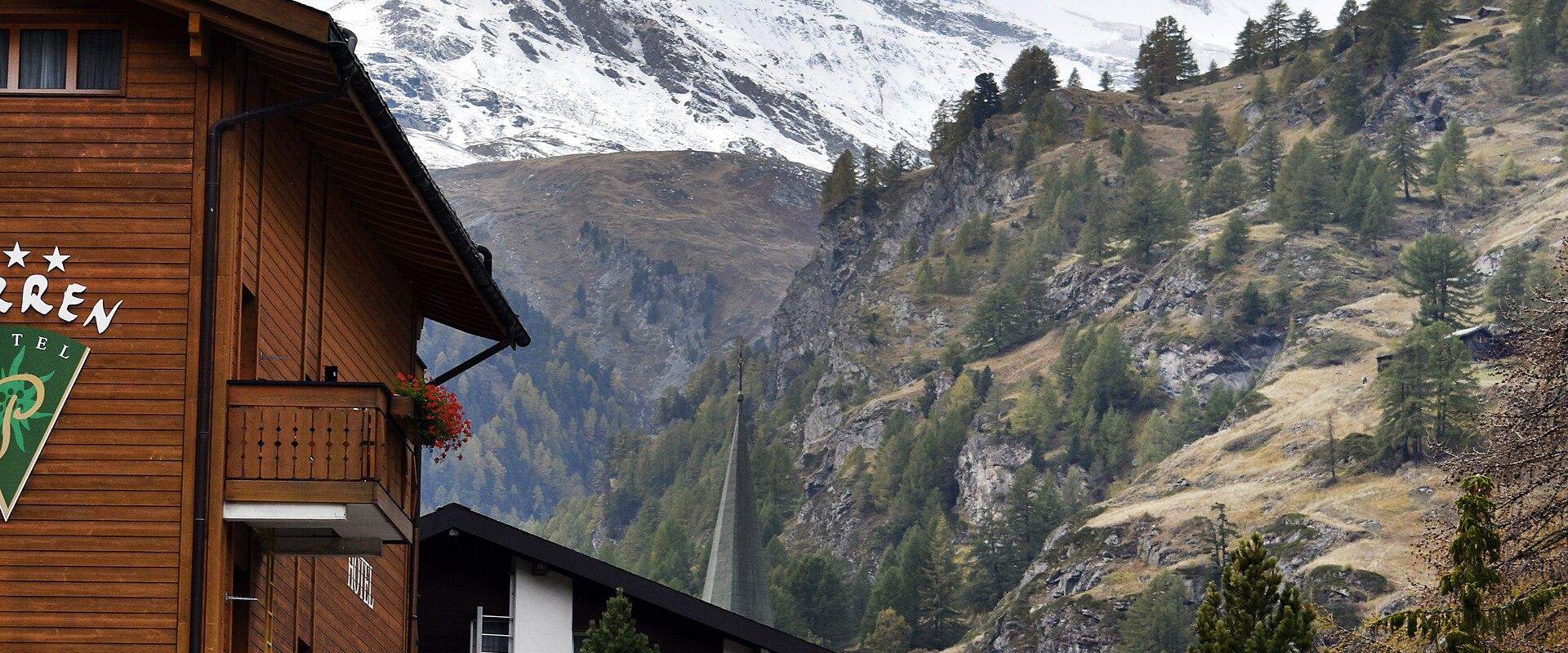
Zermatt is a village of about five thousand people in the Valais, at the head of the Mattertal, at 1,600 metres, and it is one of the best-known mountain resorts in the world. The reason is the Matterhorn, which rises above the village and dominates every view, but there is much more to the place than that single mountain. The village has been car-free since the 1960s, a decision taken to protect its air and character, and electric taxis and small buses are the only vehicles on its streets. Visitors leave their cars in Täsch, a few kilometres down the valley, and take a shuttle train for the last stretch, which takes about twelve minutes.
The centre of Zermatt is compact and easy to walk. The main street, the Bahnhofstrasse, runs from the station to the village square, lined with hotels, shops, restaurants and sports outfitters, and it is busy through the day with climbers, skiers, walkers and families. Behind it, the older quarter called Hinterdorf, near the river Vispa, keeps a different atmosphere: narrow lanes of dark wooden houses, with granaries and barns raised on stone mushroom-shaped supports to keep mice from the grain, which are among the oldest buildings in the village and date back several centuries. A short walk reveals goat sheds, small chapels and the rushing water of the river, a reminder that Zermatt was a farming community before it became a resort.
The village owes its development to climbing. The first ascent of the Matterhorn in 1865, with its tragic descent, put Zermatt on the world map, and in the following decades hotels and guides built a tourism industry. The Matterhorn Museum, in the village centre, tells that story, with a reconstruction of the old village, exhibits on mountaineering history, and the broken rope from the 1865 accident. The English church and the cemetery for climbers who died in the mountains are also part of the history, and the graves of guides and visitors recall the dangers of the sport.
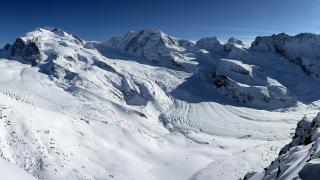
Zermatt offers some of the best hiking and skiing in the Alps. The Gornergrat railway, a cogwheel line that climbs from the village to a viewpoint at about 3,100 metres, is one of the highest open-air railways in Europe, and it gives access to a panorama of dozens of peaks over 4,000 metres and the Gorner glacier. Other lifts go to the Sunnegga and Rothorn areas, where there are views of the Matterhorn reflected in mountain lakes, such as the Stellisee and the Riffelsee, and to the Klein Matterhorn, at 3,800 metres, one of the highest cable car stations in Europe, which serves a ski area open nearly all year. The Gorner Gorge, a short walk from the village, offers a different, shaded outing.
Prices in Zermatt are high, as in most major Swiss resorts, but options range from simple guesthouses to luxury hotels, and many restaurants serve local Valais dishes, such as raclette and cheese fondue. The village suits all kinds of visitors, and a stay of two or more days allows time to explore. Check lift timetables and weather before you plan, since cloud can hide the Matterhorn for days, and book accommodation early in the high seasons, summer and winter.
Categories
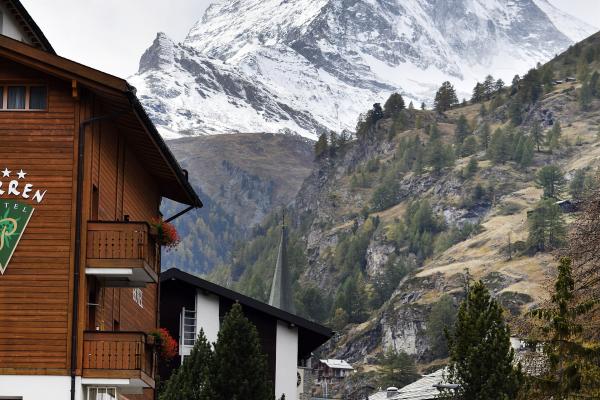
More photos coming soon
Hours & Fees
- Open
- Daily 9:00 AM to 5:00 PM; Matterhorn Museum 14:00 to 18:00
- Admission
- Approx. 5 CHF for Gornergorge exit fees
Hours and prices change, especially out of season. Check with the venue before you go.
Nearby Attractions
Other places to visit in Zermatt
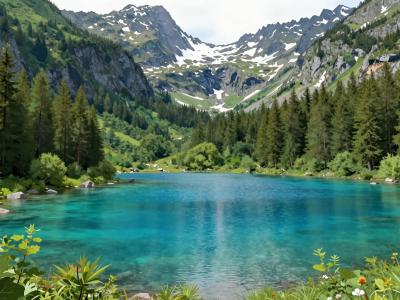
5 Lakes Hike
7-mile trail with Matterhorn reflections
Free Lakes & Rivers · Mountains
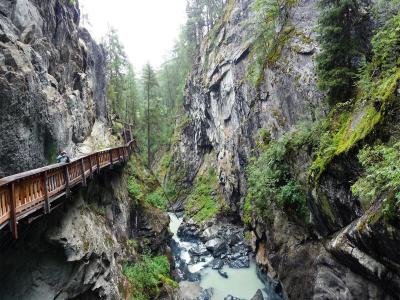
Gorner Gorge (Gorner Gorge / Geologischer Pfad)
1887 wooden walkways through 220-million-year-old rock
Activities & Adventure · Natural Wonders
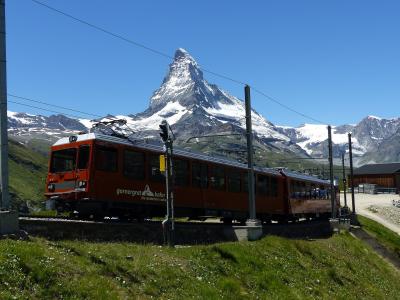
Gornergrat Bahn (Gornergrat Railway)
Historic rack railway to 3,100 meters
Activities & Adventure · Natural Wonders
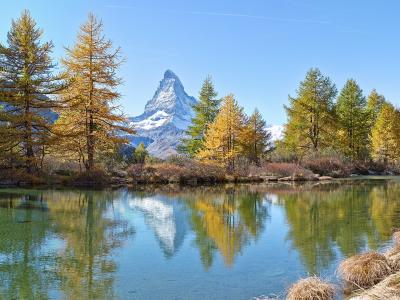
Matterhorn
Underground alpine museum in historic Zermatt
From CHF 12 Activities & Adventure · Natural Wonders
Questions people ask
Quick Facts
Best Time to Visit
June to September offers mild weather, clear trails, and ideal conditions for hiking, glacier excursions, and enjoying Zermatt’s alpine scenery.