- Where
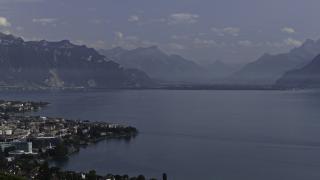
- Montreux, Lake Geneva
- Directions
- Directions
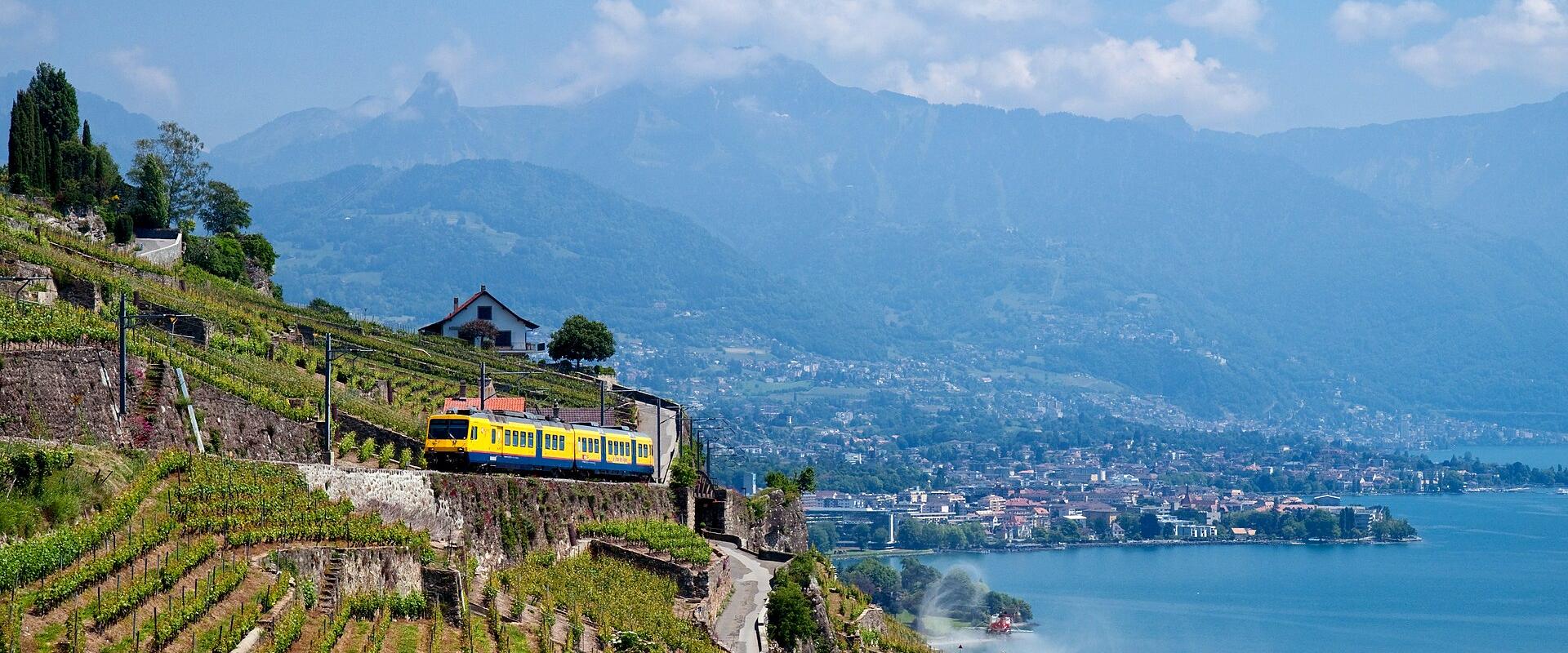
Above Montreux, and stretching westward along the northern shore of Lake Geneva toward Lausanne, the hillside is covered by one of the most photographed wine landscapes in Europe. The terraced vineyards of Lavaux run in narrow stripes down the steep slope to the water, held up by stone walls that in places stand several metres high, and in 2007 the landscape was inscribed on the UNESCO World Heritage list. The area covers roughly thirty kilometres of shore and around eight hundred hectares of vines, and it is one of the best places in Switzerland to combine walking and wine.
The terraces have a long history. Monks from Benedictine and Cistercian monasteries began planting vines on these slopes in the Middle Ages, and over centuries local growers built the walls that hold the soil on the slope. The vines benefit from three sources of light and warmth: the sun overhead, the light reflected from the lake and the heat stored by the stone walls and released at night. These conditions allow grapes to ripen well on a steep northern shore at a latitude where cooler weather might otherwise be a problem. The main grape is the white Chasselas, which is the signature variety of Vaud and produces dry, delicate wines that reflect the character of the soil, and the best vineyards of the area, such as Dézaley and Calamin, carry the Grand Cru label. Reds, mostly from Pinot Noir and Gamay, are also grown.
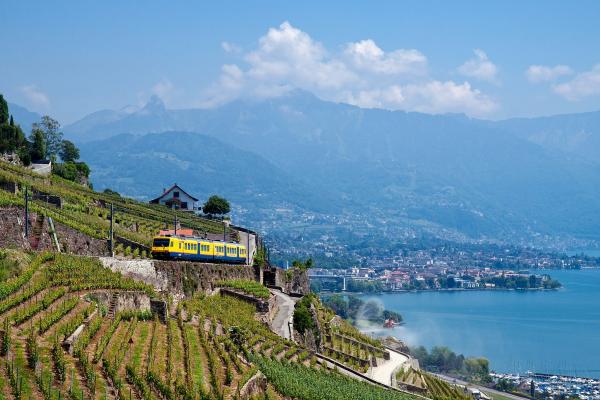
Walking is the best way to see the vineyards. A network of marked paths runs through the terraces, linking small villages such as Rivaz, Saint-Saphorin, Chexbres and Cully, with a long route of around thirty kilometres from Lausanne to Chillon. The paths wind between vines, along walls and through narrow alleys, with panoramic views of the lake and the French Alps across the water. The walking can be done in short sections, since trains and boats connect the villages, and a walk of a few hours is a good compromise. There are also small trains and boats that offer other views of the terraces.
Winemaking is a family business, and many growers open their cellars to visitors for tastings, often with small plates of local cheese or sausage. The wine villages have wine bars and restaurants, and many offer terrace seating with a view. Some estates arrange vineyard tours or let visitors take part in activities such as the grape harvest, which usually takes place in autumn, or pruning, which occurs in winter and spring. Opening hours vary, and booking is often needed, so contact the producer ahead of time. Prices are moderate to high, reflecting the labour involved in cultivating steep terraces.
The vineyards suit walkers, wine lovers, photographers and anyone who enjoys landscapes shaped by human work. The best times to go are late spring, when the vines are green, and autumn, when they turn gold and red. Wear good walking shoes and bring a hat and water, since the slopes are exposed and can be hot in summer. If you plan to taste wine, avoid driving and use the trains, buses or boats. A combined walk and tasting makes a satisfying day out.
Categories
More photos coming soon
Nearby Attractions
Other places to visit in Montreux

Montreux Jazz Festival
World-renowned jazz festival since 1967
Cultural Festivals · Theaters
Lake Geneva Promenade
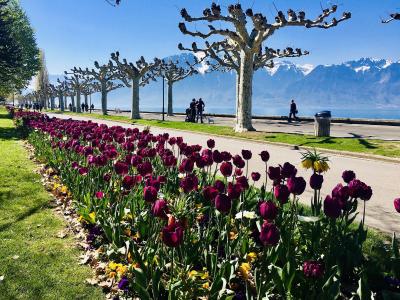
Lakeside walk with mountain views and Château de Chillon
Coastal & Maritime · Natural Wonders
Guided Tour And Wine-tasting In Montreux
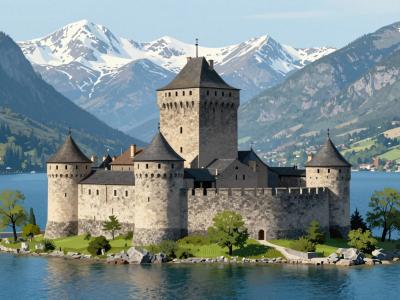
Historic Chillon Castle tour with local wine tasting
Cultural Experiences · Guided Tours

Flying Over Lake Geneva
Private flights over Lake Geneva and Alps views
Activities & Adventure · Coastal & Maritime
Questions people ask
Quick Facts
Best Time to Visit
June to September offers warm weather, open festivals, and ideal conditions for lakeside walks, boat cruises, and exploring Montreux’s attractions.