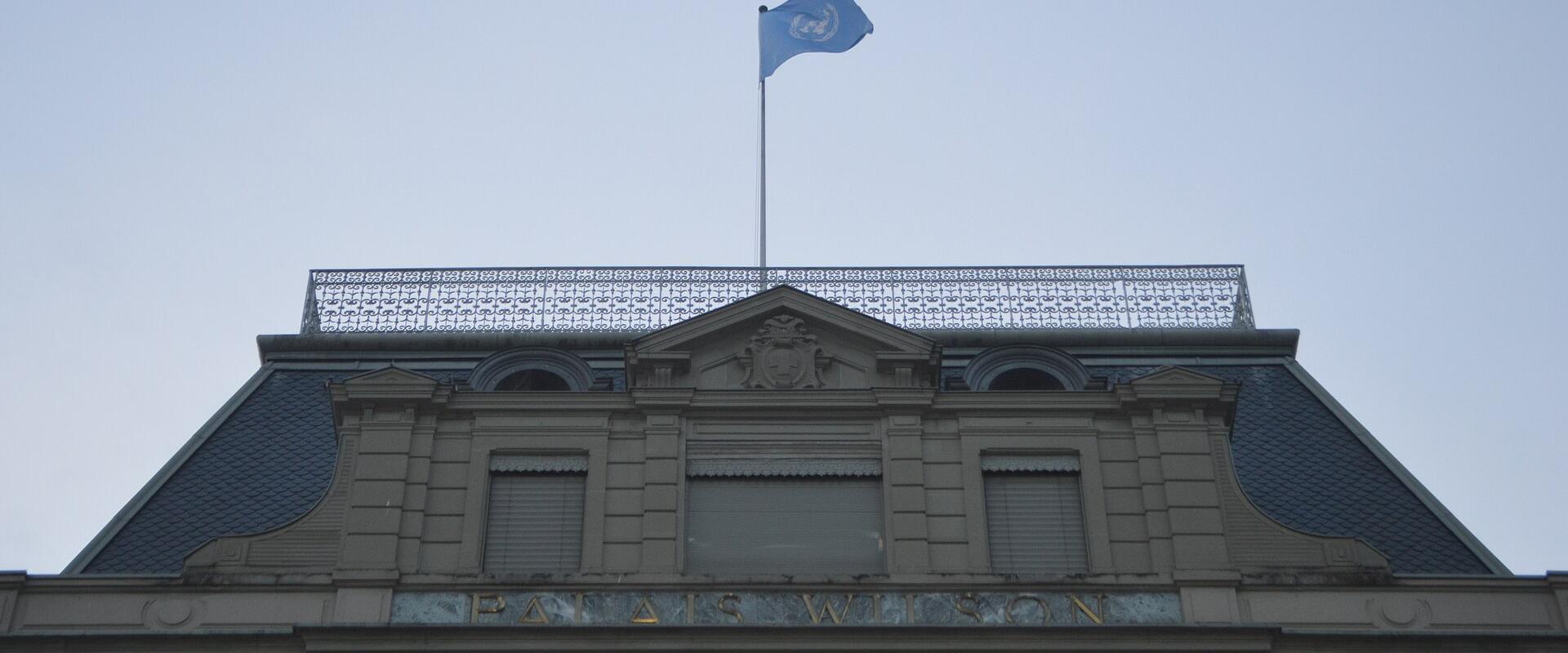
United Nations Office At Geneva (UN Headquarters)
Historic UN hub and 20th-century architectural landmark
- Where
- Genève, Lake Geneva
- Directions
- Directions
The United Nations Office at Geneva occupies the Palais des Nations, a huge complex of buildings in the Ariana Park on the north side of the city. It is the second-largest United Nations centre after New York and is the home of many agencies and conferences dealing with human rights, disarmament, trade and humanitarian affairs. Geneva has a long tradition as a place of diplomacy, and this site is the most visible symbol of it. The buildings were put up between 1929 and 1936 as the headquarters of the League of Nations, the first major international organisation devoted to preserving peace, which was created after the First World War. When the League was dissolved after the Second World War, the complex passed to the United Nations in 1946.
The architecture reflects its period. A long, formal façade of pale stone faces the park, with colonnades and symmetrical wings, designed by a team of architects from different countries after an international competition that failed to produce a single winner. The scale is monumental, and the interior is lined with marble, wood and works of art donated by member states over the years. The park around the building, formerly a private estate, has old trees and lawns, and white peacocks walk freely across the grass, which visitors often find surprising.
Guided tours show the main public parts of the building. Highlights include the Assembly Hall, where the League and later the UN held large meetings, and the Council Chamber, whose murals by the Spanish artist José Maria Sert tell a story of human progress and conflict in dramatic colours. Corridors are lined with art, gifts and historical displays, and guides explain the history of the League, the work of the UN today and some of the major negotiations that have taken place here. Because it is a working diplomatic centre, parts of the complex may be closed when meetings are in progress, and the programme of the tour changes accordingly.
Visits are strictly organised for security reasons. Tours must be booked in advance through the official UN website, and visitors need to present valid identification when they arrive, often a passport. Bags are inspected, and large luggage is not allowed. Because dates are released in batches and are popular, it pays to book early and to check the current rules on the official site, as arrangements have changed in recent years, including during renovation work. The tours are free of charge.
Outside the gates, on the Place des Nations, stands a huge sculpture of a chair with one broken leg, which is a symbol of the campaign against landmines and cluster munitions and a popular photo spot. The site is a short tram ride from the railway station and close to the Botanical Garden and the lake. The visit suits people interested in politics, history, international affairs and architecture. Allow about two hours including arrival and security, and dress neatly, as it is a formal setting.
Categories
More photos coming soon
Nearby Attractions
Other places to visit in Genève
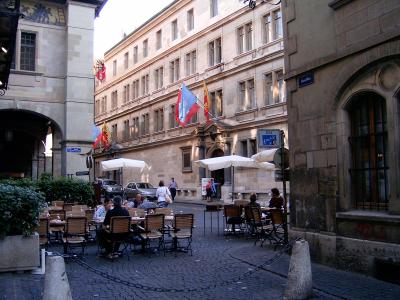
Geneva's Old Town
Medieval streets and St. Peter’s Cathedral views
Cultural Experiences · History & Heritage
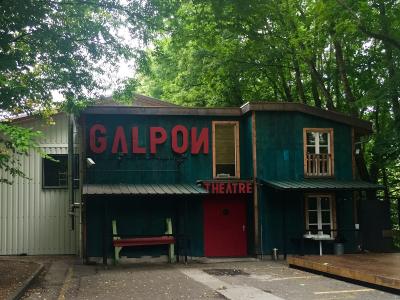
Galpon Theatre, Geneva
Intimate Geneva theatre fostering performing arts
Cultural Experiences · Theaters
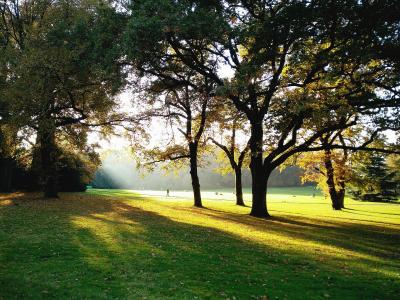
Parc La Grange (The Grange Park)
Rose garden with 200+ varieties and hillside mansion
Natural Wonders · Urban Exploration
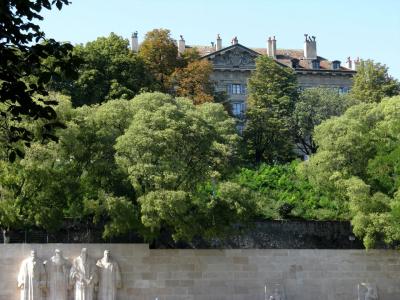
Reformation Wall
Monument honoring key Protestant Reformation leaders
Cultural Experiences · History & Heritage
Questions people ask
Quick Facts
Best Time to Visit
Visit from May to September for warm weather, lake activities, and vibrant festivals, while avoiding the cold winter months.