- Where
- Genève, Lake Geneva
- Directions
- Directions
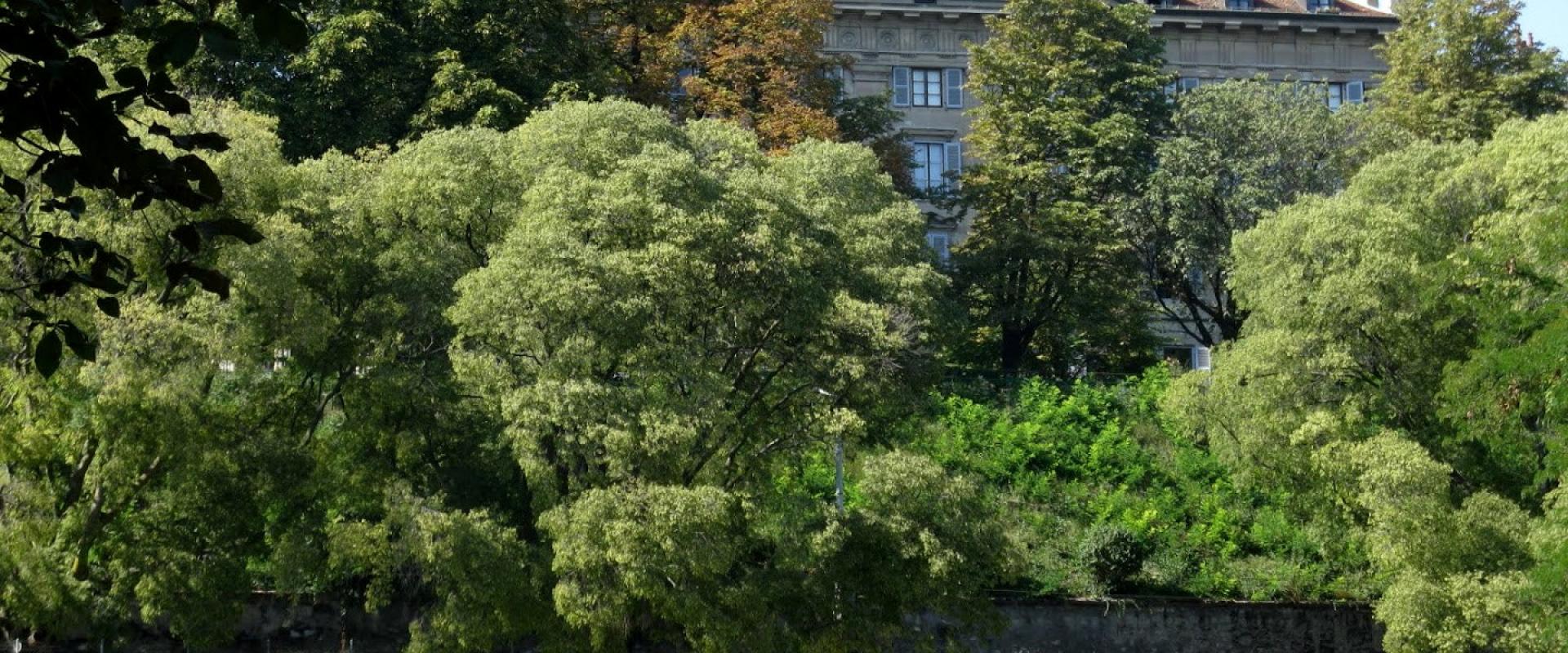
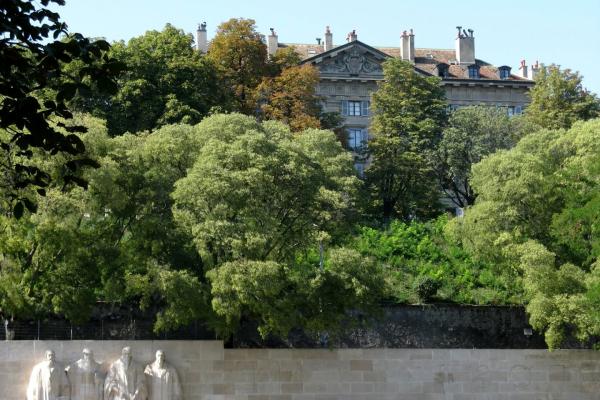
The Reformation Wall, known in French as the Mur des Réformateurs, is a long monument built against the old city fortifications in the Parc des Bastions, at the foot of Geneva’s Old Town. It was completed in 1909, in the year that marked the 400th anniversary of John Calvin’s birth and the 350th anniversary of the founding of the Academy, the forerunner of the University of Geneva. The wall is about a hundred metres long and gives a monumental, public-facing summary of the Protestant Reformation as Geneva understood it.
At the centre stand four huge figures, each several metres tall: Guillaume (William) Farel, John Calvin, Théodore de Bèze and John Knox. Farel persuaded Calvin to stay in Geneva in 1536, Calvin shaped the city’s religious and civic life, de Bèze, usually written Beza in English, became his successor, and Knox took Calvin’s ideas to Scotland, where they underpinned the Presbyterian church. On either side, smaller statues and carved reliefs show other figures and events from the history of Protestantism in Europe and North America, including European leaders from France, the Netherlands, England, Germany and Hungary, and scenes such as the signing of important agreements. Across the top runs the Latin motto "Post Tenebras Lux", "after darkness, light", which has become Geneva’s motto.
The wall is more than an ornament. It shows how the city wanted to see itself in the early 20th century, as a centre of faith, liberty and ideas, and it reflects the importance of the Reformation to Geneva’s identity as a city of refuge and international debate. Reading the names and scenes is a good way to see how the Reformation became part of the story of modern Europe and beyond. The Musée international de la Réforme, in the Old Town not far away, goes deeper into the history, and Saint-Pierre Cathedral, where Calvin preached, is a short walk uphill.
The wall stands on the Promenade des Bastions, near the Place de Neuve, the Grand Théâtre and the University’s main building, and it can be visited at any time of day without a ticket. Early morning is quietest, while midday and afternoons are busier. The surrounding Parc des Bastions has shady paths, benches and the large outdoor chess boards where locals play with oversized pieces. The park is a pleasant place to pause after the walk through the Old Town.
The monument suits history enthusiasts, photographers and anyone interested in the story of Protestant Europe. It takes only a few minutes to see, and it combines well with a visit to the cathedral, the Jardin Anglais and the nearby museums.
Categories
More photos coming soon
Nearby Attractions
Other places to visit in Genève
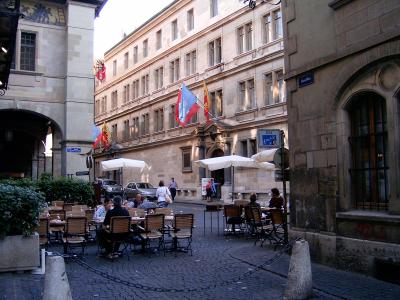
Geneva's Old Town
Medieval streets and St. Peter’s Cathedral views
Cultural Experiences · History & Heritage
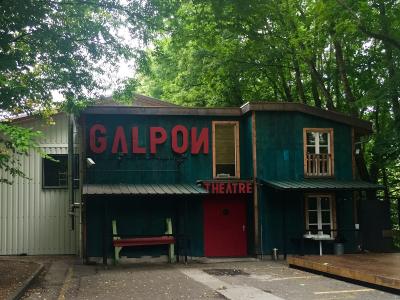
Galpon Theatre, Geneva
Intimate Geneva theatre fostering performing arts
Cultural Experiences · Theaters
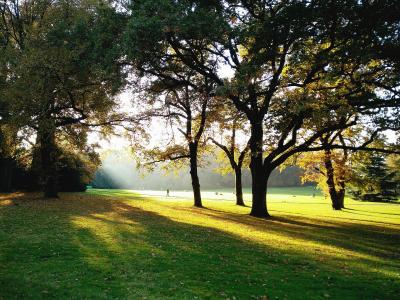
Parc La Grange (The Grange Park)
Rose garden with 200+ varieties and hillside mansion
Natural Wonders · Urban Exploration
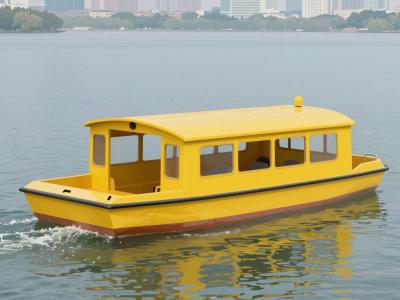
Mouette Boat Ride On Lake Geneva
Frequent free shuttle boats across Lake Geneva
Coastal & Maritime · Natural Wonders
Questions people ask
Quick Facts
Best Time to Visit
Visit from May to September for warm weather, lake activities, and vibrant festivals, while avoiding the cold winter months.