







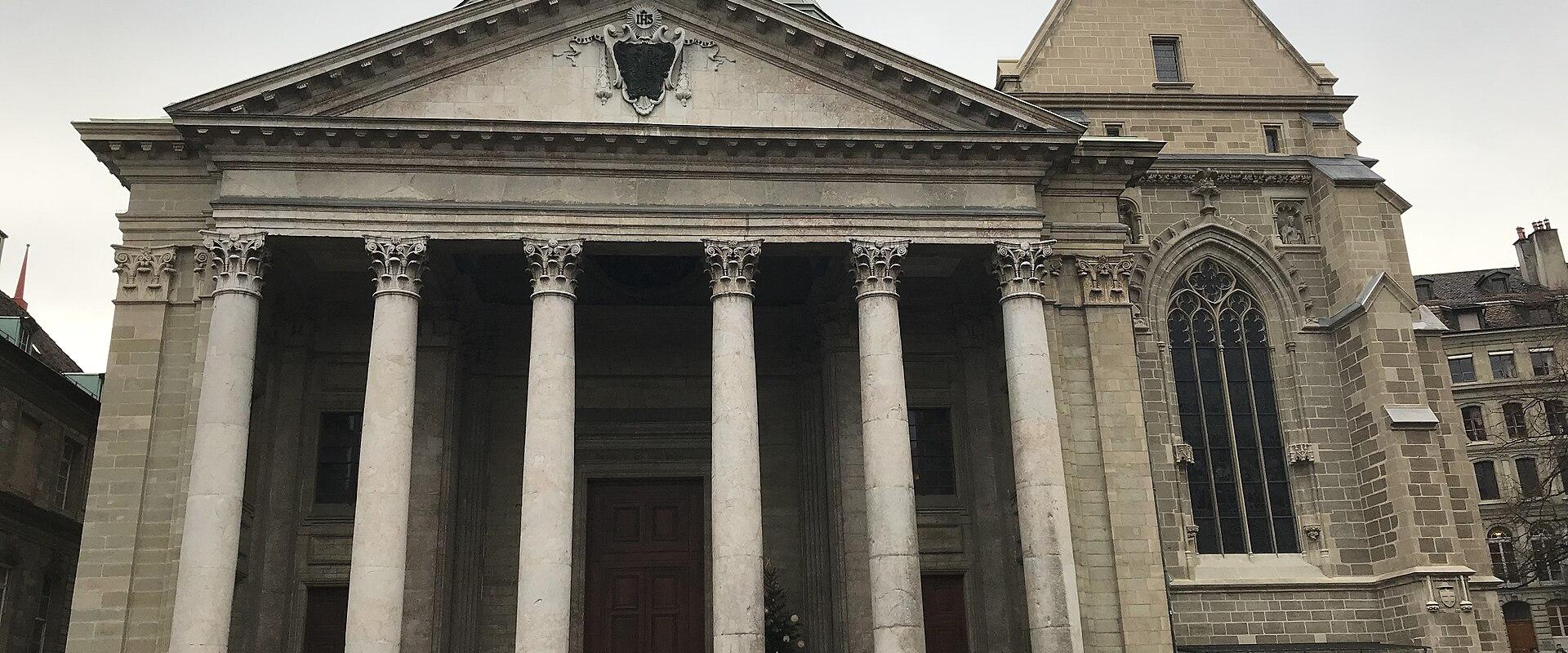
St. Pierre Cathedral
Geneva's historic Reformation center with panoramic tower...
- Admission
- Admission to the nave is free
- Where
- Genève, Lake Geneva
- Directions
- Directions
The Cathedral of Saint-Pierre stands on the highest point of Geneva's old town, and its towers are among the first things you see as you climb the cobbled streets from the lake. It is Geneva's most important church and one of the key buildings of European Protestantism. John Calvin, the French theologian who arrived in the city in 1536, preached here for much of the next three decades, and from this pulpit his ideas about church and community life spread across Europe. The cathedral had been Catholic until the Reformation was adopted in Geneva in 1535 and 1536, and it has been a Protestant church ever since, with the plain interior that the reformers insisted on.
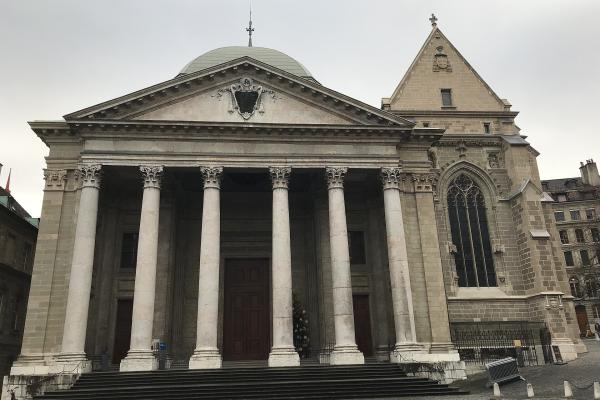
The building has many layers of history. Construction began in the twelfth century in the Romanesque style, and the church was extended and altered in the Gothic style over the next two centuries, with ribbed vaults, pointed arches and a tall nave. Later centuries added chapels and towers, and in the eighteenth century the front was given a neoclassical portico with columns, a surprising face on a medieval church, which gives the entrance a Roman look. The Chapel of the Maccabees, a Gothic chapel beside the cathedral, was restored in the nineteenth century and is decorated in a rich style that contrasts with the austerity of the nave.
Inside, the cathedral is spacious and plain. After the Reformation, images, altars and statues were removed, and the walls were whitewashed, so what remains is the structure of stone, with carved capitals on the columns, some medieval stained glass and the pulpit. A wooden chair used by Calvin is preserved in the nave, and visitors often stop to look at it. The organ is used for regular concerts, and the cathedral's bells, which include one of 1407 called La Clémence, are among the largest in the region.
Beneath the building lies another attraction. An archaeological site, open to visitors, shows layers of earlier churches, tombs and walls, dating back to the early centuries of Christianity and even to pre-Christian times, and it explains how the site developed from late antiquity through the Middle Ages. It is one of the best ways to understand the city's early history. Next to the cathedral, the International Museum of the Reformation, in a building on the same square, tells the story of the movement through documents, books and objects, with displays about Calvin, Farel, Beza and the spread of Protestantism around the world.
Visitors can also climb the towers, by narrow stairs, for a view over the old town, the lake, the Jet d'Eau and, on clear days, the Alps and Mont Blanc. The climb involves many steps and is not suitable for everyone, and there is a small charge. Entry to the nave is free, though donations are welcome, and opening hours vary, with services and events limiting access at times, so check before you go.
The cathedral suits history readers, architecture lovers and anyone interested in the Reformation. Allow an hour for the church and towers and two to three hours if you include the archaeological site and the museum. The Place du Bourg-de-Four, the oldest square in the city, and the Parc des Bastions are close by.
More photos coming soon
Admission Fees
- Admission
- Admission to the nave is free
Hours and prices change, especially out of season. Check with the venue before you go.
Nearby Attractions
Other places to visit in Genève
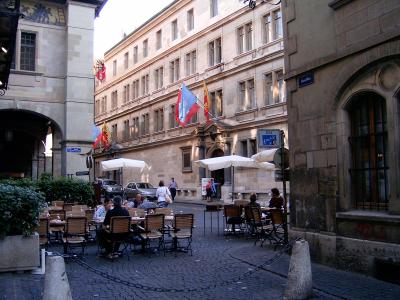
Geneva's Old Town
Medieval streets and St. Peter’s Cathedral views
Cultural Experiences · History & Heritage
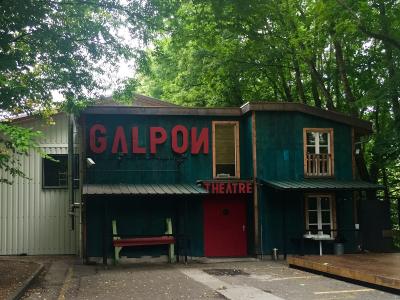
Galpon Theatre, Geneva
Intimate Geneva theatre fostering performing arts
Cultural Experiences · Theaters
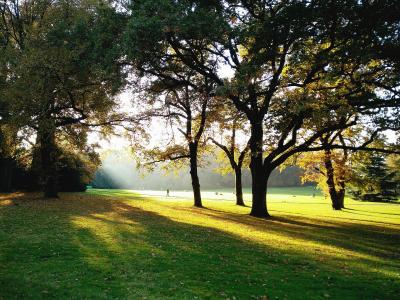
Parc La Grange (The Grange Park)
Rose garden with 200+ varieties and hillside mansion
Natural Wonders · Urban Exploration
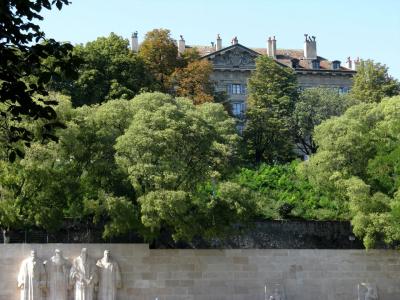
Reformation Wall
Monument honoring key Protestant Reformation leaders
Cultural Experiences · History & Heritage
Questions people ask
Quick Facts
Best Time to Visit
Visit from May to September for warm weather, lake activities, and vibrant festivals, while avoiding the cold winter months.