







- Admission
- Free admission
- Hours
- Open all day
- Where
- Zürich, Zurich
- Directions
- Directions
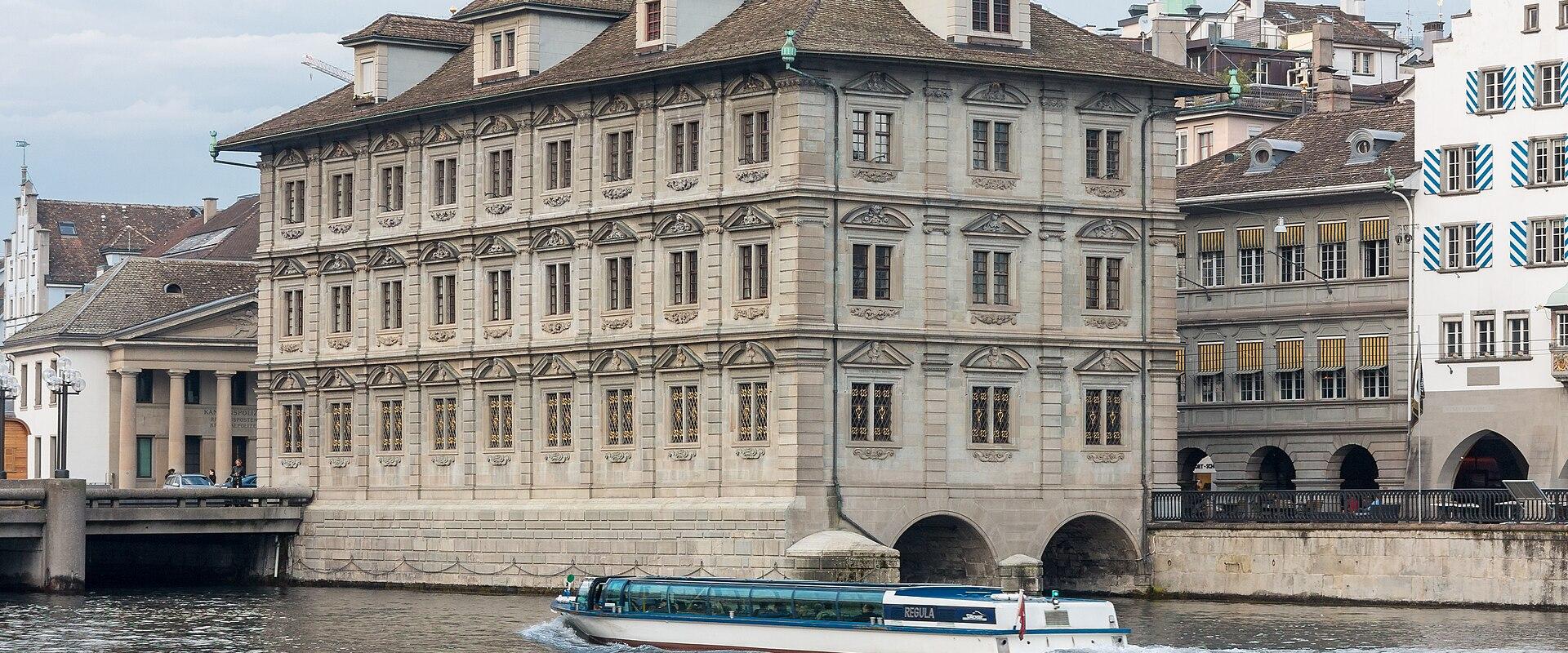
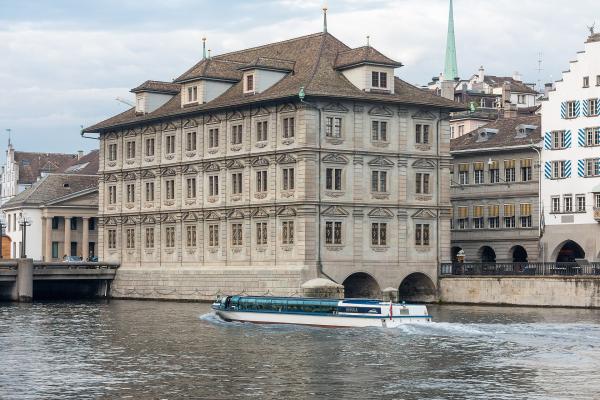
The Rathaus stands on the right bank of the Limmat, on Limmatquai, and its pale façade rises directly from the water, on foundations built on piles driven into the river bed. It was built in the late seventeenth century, between 1694 and 1698, in the style of the early Baroque, and it replaced an older medieval town hall on the same site. The old building was too small and out of date for a city that was proud and prosperous, and the new one was intended to display the dignity of the republic of Zürich. The architects used a restrained, almost severe Baroque, with long rows of windows, a modest decorative scheme and a simple, rectangular form, which suits the sober, civic character of the Protestant city.
A common misunderstanding is that the Rathaus houses the city government. In fact, the building is the seat of the cantonal parliament, the Kantonsrat, which meets in the large council chamber on the upper floor. The city government, the Stadtrat, has its offices elsewhere, in the Stadthaus on the other side of the river. The Rathaus was for centuries the seat of the city's governing council, and when the old republic ended, it became home to the cantonal authorities. Inside, there are rooms decorated in the style of earlier centuries, with wooden panelling, painted ceilings and tiled stoves, some of them used for official receptions. The interior is generally not open to ordinary visitors, though special events and guided tours are sometimes offered, so check with Zürich Tourism.
The setting is the most interesting part for a visitor. The Limmatquai is the main riverside street on the east bank, a promenade lined with historic houses, and the Rathaus is one of several buildings of the old guilds and civic institutions along it. The guild houses, the Zunfthäuser, were the headquarters of the craft and trade associations that once controlled the political and economic life of the city, and several are now restaurants, with painted façades and carved signs. Each spring, the guilds parade through the streets in costume at the Sechseläuten, and the procession passes the Rathaus. From the bridge beside the building you get a good view of the façade reflected in the river, and the best photographs are taken from the opposite bank or the Rathausbrücke.
The Rathaus is a short walk from the Grossmünster, the Niederdorf and the Fraumünster on the other bank, and from the Lindenhof, so it fits into any walk through the old town. The quay has benches by the water, and cafés and restaurants nearby serve lunch, though prices in the area are high. In the evening the façade is lit, and the river takes on a different mood.
Because the interior is not usually open, a visit is brief, ten to fifteen minutes to look at the exterior and take photographs. The exterior can be seen at any time, and it is free. The building suits history readers, photographers and anyone interested in civic architecture. Combine it with a stroll along the Limmatquai and the nearby bridges.
More photos coming soon
Hours & Fees
- Open
- Open all day
- Admission
- Free admission
Hours and prices change, especially out of season. Check with the venue before you go.
Nearby Attractions
Other places to visit in Zürich
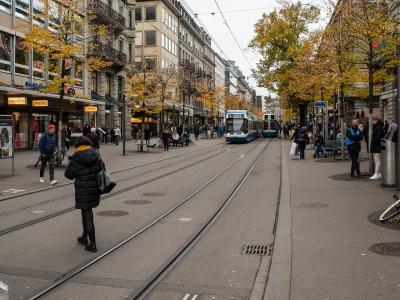
Bahnhofstrasse (Zürich)
Luxury shopping street in central Zürich
Urban Exploration · City Centers
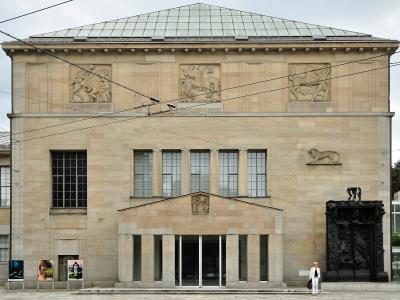
Kunsthaus Zürich
Leading Swiss art museum with diverse collections
Cultural Experiences · Museums
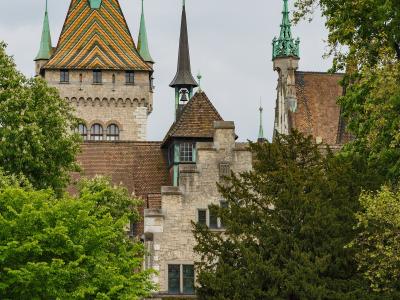
National Museum Zurich (Landesmuseum Zürich)
Swiss cultural history in a historic castle
Cultural Experiences · History & Heritage
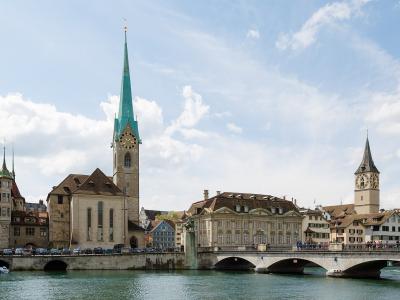
Fraumünster (Zürich)
Historic Zürich church with Chagall stained glass
Cultural Experiences · History & Heritage
Questions people ask
Quick Facts
Best Time to Visit
Visit from late May to early September for warm weather, long daylight, and vibrant outdoor festivals.