







- Admission
- Free admission
- Hours
- Open all day
- Where
- Zürich, Zurich
- Directions
- Directions
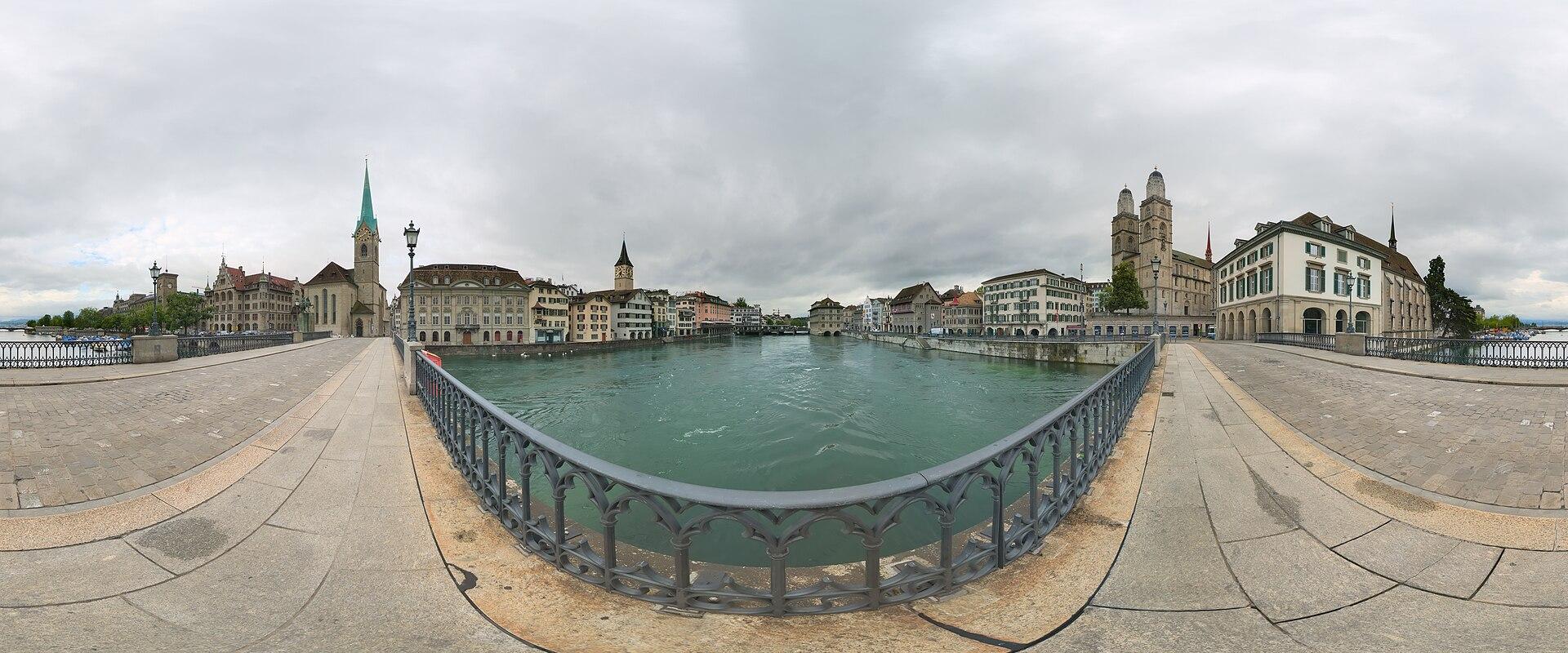
The Münsterbrücke is one of the central crossings of the Limmat in Zürich, linking the two halves of the old town. On the left bank, it leads to the Münsterhof, the square in front of the Fraumünster, and on the right bank, to the Grossmünster and the lanes of the Niederdorf, and it is therefore the bridge that connects the city's two most famous churches. The name means minster bridge, a reference to these churches. For anyone walking through the old town, the bridge is a natural link and a good place to stand and take stock of the river, the buildings and the movement of the city.
Bridges have crossed the river at this point for centuries, since the Limmat has been the main axis of Zürich's life since Roman times, and the town grew up on both banks around a crossing. The present stone bridge is largely the work of the early nineteenth century, built in the late 1830s to replace an older and narrower crossing, and it is a broad, level structure of stone arches with iron railings, suited to carriages and, later, trams and pedestrians. It is one of the more elegant of the city's bridges and gives a clear sight line along the river in both directions. At one end of the bridge stands an equestrian monument to Hans Waldmann, a fifteenth-century mayor of Zürich, a soldier and politician who rose to great power and was executed in 1489 after a revolt, and the statue, from the twentieth century, shows him as a mounted warrior.
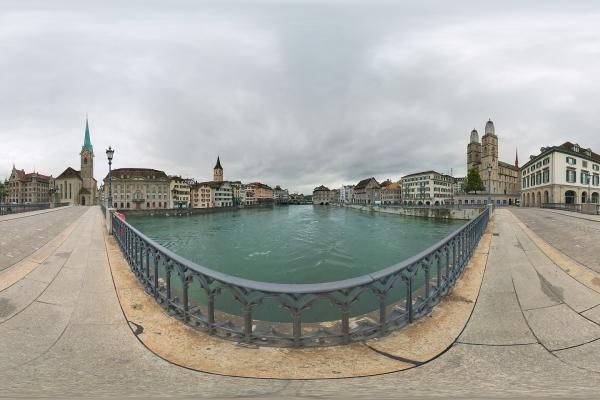
The view from the bridge is the reason many visitors pause. Looking downstream, toward the lake, the water widens past the Wasserkirche, a late Gothic church that stands in the river itself, and the Helmhaus, a neoclassical building used for exhibitions, on the right bank, and the green lake shore beyond. Looking upstream, the river narrows between the houses of the old town, with the Rathaus, the old guild houses and the steep roofs of the Niederdorf on one side and the Lindenhof hill with its trees on the other, and the green water of the Limmat runs under the arches of the next bridges. The towers of the Grossmünster rise at the right-hand end of the bridge, and the slender spire of the Fraumünster at the left, making one of the best-known views of Zürich.
On the bridge itself, the traffic is mostly pedestrians, cyclists and trams, and the pavements are wide enough for strolling. The quays on each side offer cafés and benches by the water, and in summer, swimmers use the riverside bathing places and people sit on the steps. In the evening, the bridge and the churches are lit, and the reflections in the river give a different mood.
The bridge is free and always open. It suits all visitors, and a stop of ten to twenty minutes is enough to cross and enjoy the view, though it is easy to linger. It combines with a walk through the old town, a visit to the two churches and the Lindenhof. The best light for photographs is in the morning and at sunset. Take care with trams and cyclists, and keep to the pavements when taking photographs.
Categories
More photos coming soon
Hours & Fees
- Open
- Open all day
- Admission
- Free admission
Hours and prices change, especially out of season. Check with the venue before you go.
Nearby Attractions
Other places to visit in Zürich
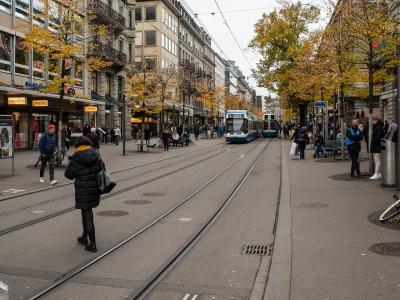
Bahnhofstrasse (Zürich)
Luxury shopping street in central Zürich
Urban Exploration · City Centers
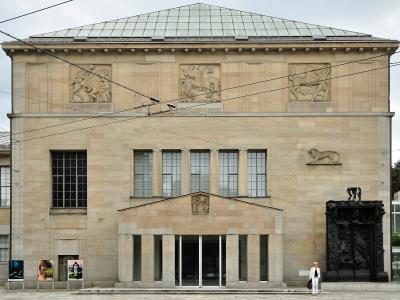
Kunsthaus Zürich
Leading Swiss art museum with diverse collections
Cultural Experiences · Museums
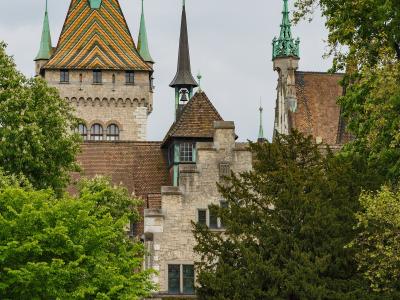
National Museum Zurich (Landesmuseum Zürich)
Swiss cultural history in a historic castle
Cultural Experiences · History & Heritage
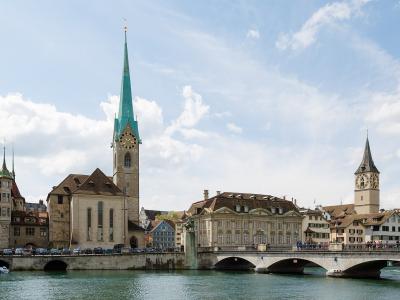
Fraumünster (Zürich)
Historic Zürich church with Chagall stained glass
Cultural Experiences · History & Heritage
Questions people ask
Quick Facts
Best Time to Visit
Visit from late May to early September for warm weather, long daylight, and vibrant outdoor festivals.