


- Where
- Genève, Lake Geneva
- Directions
- Directions
The museum known as the MEG is, in fact, the Musée d'ethnographie de Genève, Geneva's museum of ethnography, and it stands on Boulevard Carl-Vogt in the Plainpalais district, a short walk from the old town. The collection began in the early twentieth century, when the Swiss anthropologist Eugène Pittard, a professor at the University of Geneva, built up a research collection of objects from all over the world. Today it holds tens of thousands of items from five continents, including tools, textiles, masks, musical instruments, ritual objects and photographs, making it one of the major ethnographic collections in Europe.
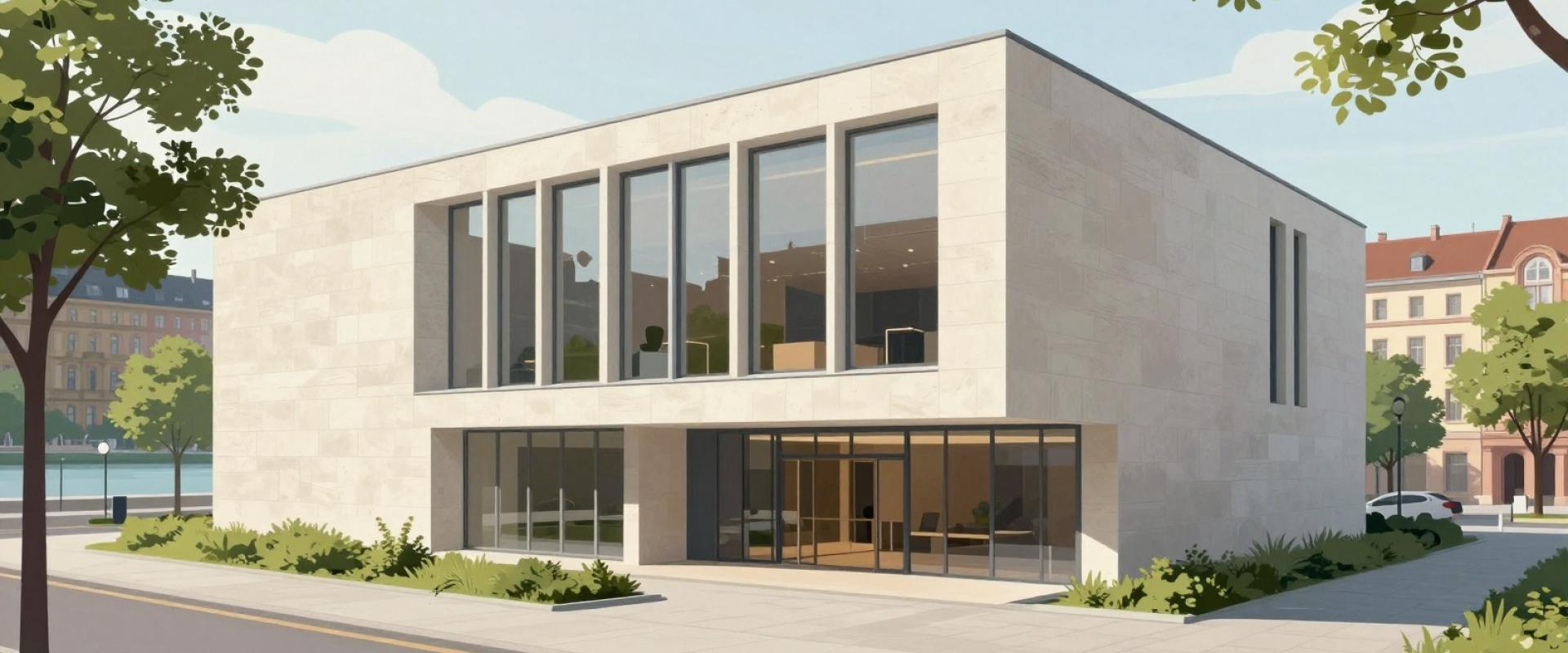
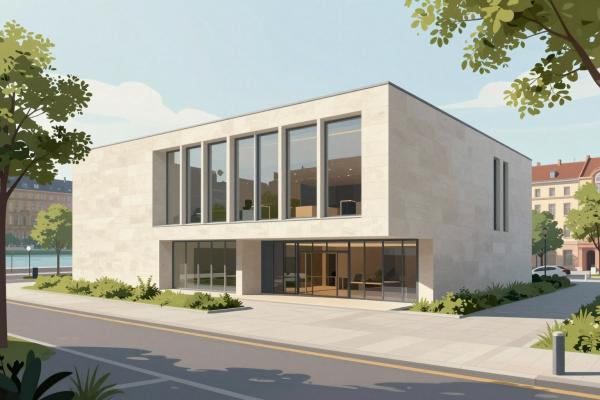
The building is a modern one. It opened in 2014 and was designed by a Zürich architecture firm. Its dark, angular volume with a faceted façade looks something like a stack of crystals or an origami sculpture, and it provides generous exhibition space beneath a public square. The architecture is deliberately quiet and gives priority to the objects. Inside there are large galleries, with a clear route through the permanent exhibition and a separate space for temporary shows.
The permanent exhibition, titled The Archives of Human Diversity, takes an approach that differs from the older style of ethnographic display. Instead of arranging objects by region or by supposed stages of development, it presents themes such as everyday life, ritual, beliefs and the circulation of objects, and it uses the collection to raise questions about how museums collect and interpret other cultures. The label texts and displays address the colonial context in which many objects were acquired, and the museum is open about the debates on restitution and ethics that surround such collections. This makes the visit a thoughtful one, and it is worth taking time over the explanations.
Temporary exhibitions are an important part of the programme and often explore contemporary topics, from music and migration to design and anthropology. The museum also hosts concerts, film screenings, workshops and guided tours, and it has a library with a large collection of books and audiovisual material on cultures around the world, which can be used by researchers and by interested visitors. A café and a shop are on site. Information is mainly in French, with English texts available in many parts, and audio guides may be offered.
Admission arrangements have varied: the permanent exhibition has generally been free for visitors, as is the case in the city's other municipal museums, while temporary exhibitions are ticketed and have reduced rates for some groups. Opening hours are usually from Tuesday to Sunday, but check the website for current times, prices and accessibility information. The museum suits culture lovers, families with older children, students and anyone interested in the history of human societies. Allow one to two hours for the permanent exhibition and more for temporary shows. It is easily reached by tram from the centre, and combining it with a stroll through Plainpalais and the old town makes a good half day.
Categories
More photos coming soon
Nearby Attractions
Other places to visit in Genève
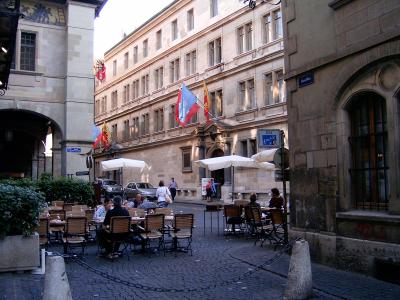
Geneva's Old Town
Medieval streets and St. Peter’s Cathedral views
Cultural Experiences · History & Heritage
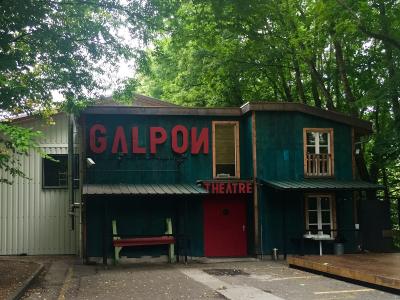
Galpon Theatre, Geneva
Intimate Geneva theatre fostering performing arts
Cultural Experiences · Theaters
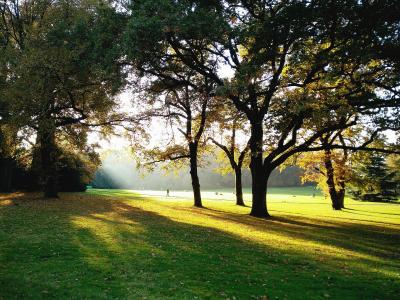
Parc La Grange (The Grange Park)
Rose garden with 200+ varieties and hillside mansion
Natural Wonders · Urban Exploration
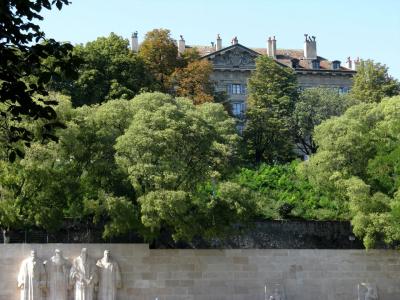
Reformation Wall
Monument honoring key Protestant Reformation leaders
Cultural Experiences · History & Heritage
Questions people ask
Quick Facts
Best Time to Visit
Visit from May to September for warm weather, lake activities, and vibrant festivals, while avoiding the cold winter months.