- Admission
- CHF 12 for adults
- Hours
- Daily 14:00 to 18:00 (Closed October 29, 2025 – November 27, 2025)
- Where
- Zermatt, Valais
- Directions
- Directions
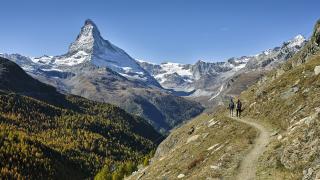
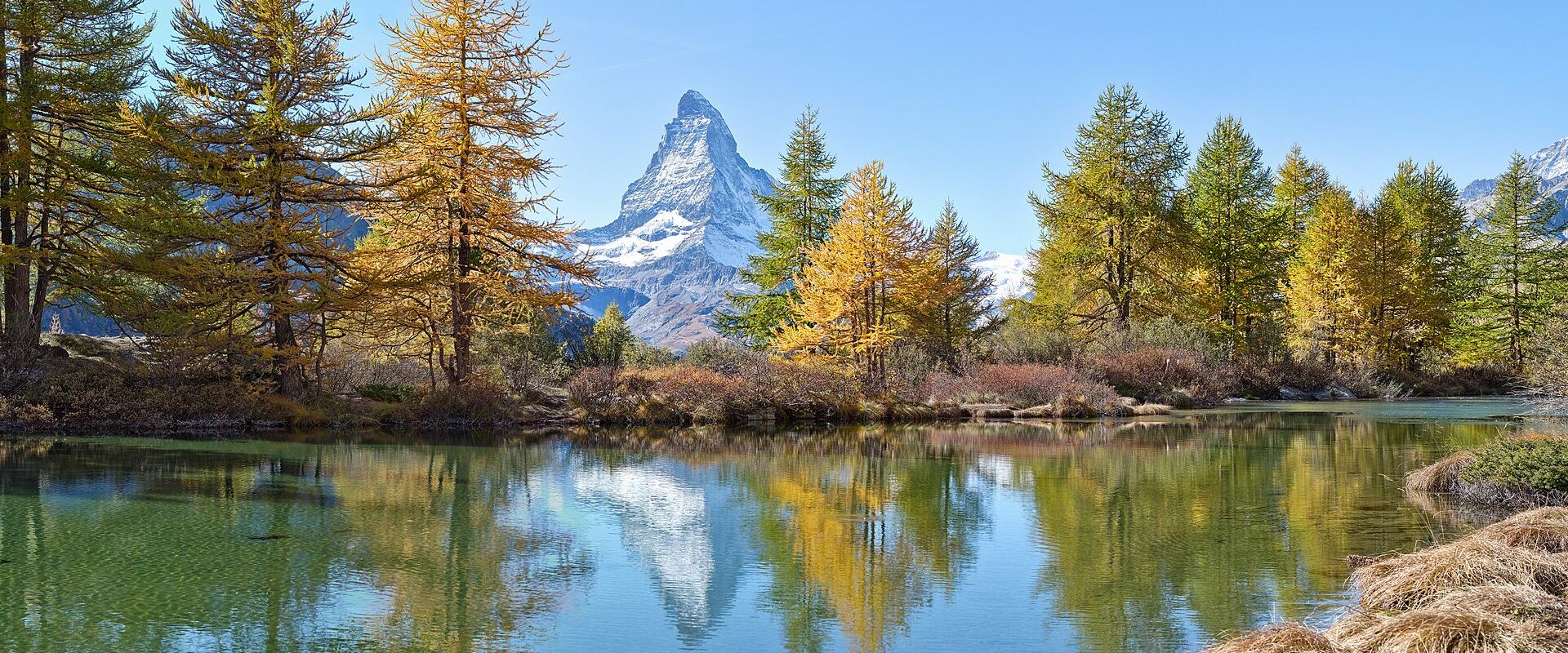
The Matterhorn is the mountain that most people picture when they think of the Swiss Alps. At 4,478 metres it is not the highest summit of the range, but its shape is unmistakable: a steep, nearly symmetrical pyramid with sharp edges and a dark, crooked tip, rising alone above the village of Zermatt in the canton of Valais. The mountain straddles the border between Switzerland and Italy, and the Italians call it Monte Cervino. Its image is used by a chocolate maker, in advertising, and on souvenirs, and it is hard to overstate its role as a national symbol. Seeing it in person, rising in the morning light above the rooftops of Zermatt, is for many people the main reason for coming.
The mountain's fame is closely linked to the drama of its first ascent. For years in the early nineteenth century, climbers believed it to be impossible, and several attempts failed. On 14 July 1865, a party led by the English artist and climber Edward Whymper reached the summit from the Swiss side, in the first ascent, after years of attempts. The triumph turned to tragedy on the descent, when four of the seven climbers fell to their deaths after a rope broke. The disaster shocked Britain and the world, and it focused attention on the dangers of mountaineering, but also fed a growing public fascination with the Alps. Zermatt grew from a poor farming village into one of the great mountain resorts in the decades that followed.
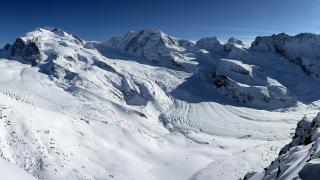
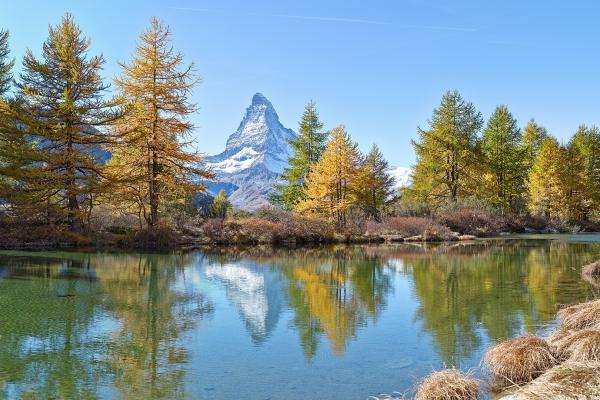
You can see the Matterhorn from many parts of Zermatt, and the best views depend on the time of day and the weather. In the early morning it often glows red and gold as the first sunlight touches the summit, a phenomenon that draws photographers to certain viewpoints. A famous vantage point is the Riffelsee, a small lake above the village near the Gornergrat railway, where on calm mornings the mountain is reflected in the water. The Gornergrat itself, reached by a cogwheel train, gives a view of the Matterhorn and the surrounding glaciers and peaks. Closer views come from walking trails on the slopes above the village, with several routes of different lengths.
Climbing the Matterhorn is a serious undertaking. The normal route on the Swiss side follows the Hörnli ridge from the Hörnli hut, a long and demanding climb over rock that requires experience, good fitness, a guide in most cases and acclimatisation, and it is typically done in a day from the hut, starting well before dawn. Rockfall, changing weather and crowds on the route make it hazardous, and many climbers are turned back. Visitors who do not climb can learn about the history in the Matterhorn Museum in the village, a museum partly underground with a reconstruction of historic Zermatt, exhibits on the early climbers and the broken rope from 1865.
The best seasons for views are summer and autumn, when skies are often clear, though the Matterhorn can hide in cloud for days. Plan for several days if you want a good chance of seeing it, and check webcams and forecasts. The mountain suits everyone who can look up, and the museum and viewpoints are accessible to most visitors. Bring warm clothing for higher viewpoints.
Categories
More photos coming soon
Hours & Fees
- Open
- Daily 14:00 to 18:00 (Closed October 29, 2025 – November 27, 2025)
- Admission
- CHF 12 for adults
Hours and prices change, especially out of season. Check with the venue before you go.
Nearby Attractions
Other places to visit in Zermatt
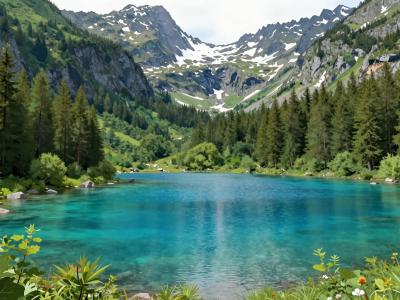
5 Lakes Hike
7-mile trail with Matterhorn reflections
Free Lakes & Rivers · Mountains
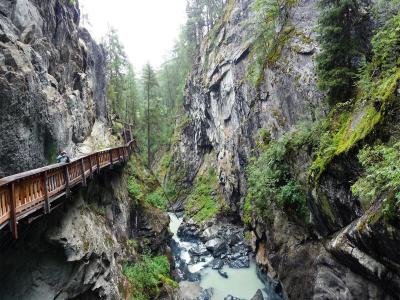
Gorner Gorge (Gorner Gorge / Geologischer Pfad)
1887 wooden walkways through 220-million-year-old rock
Activities & Adventure · Natural Wonders
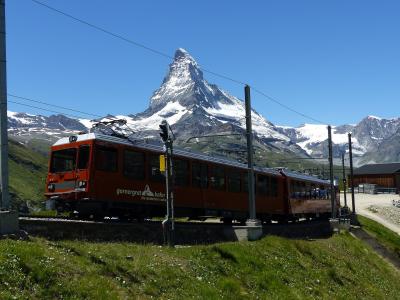
Gornergrat Bahn (Gornergrat Railway)
Historic rack railway to 3,100 meters
Activities & Adventure · Natural Wonders
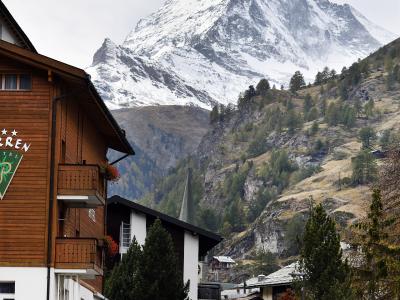
Zermatt Village
Car-free alpine village in the Swiss Alps
From CHF 5 Historic Towns · Walking Trails
Questions people ask
Quick Facts
Best Time to Visit
June to September offers mild weather, clear trails, and ideal conditions for hiking, glacier excursions, and enjoying Zermatt’s alpine scenery.