- Admission
- 20 CHF
- 17 CHF for residents, retirees, students
- Hours
- Tuesday to Sunday, 10:00 AM to 6:00 PM
- Where
- Davos, Graubünden
- Directions
- Directions
The Kirchner Museum in Davos is devoted to Ernst Ludwig Kirchner, one of the leading artists of German Expressionism, and it has the largest collection of his work in the world to be seen in one place. Kirchner was born in Germany in 1880 and became a founding member of the artists' group Die Brücke, the Bridge, which was formed in Dresden in 1905 and which broke with academic tradition by using bold colours, distorted forms and subjects drawn from modern life. After the First World War, in which he suffered a mental and physical breakdown, he moved to Switzerland to recover, and from 1917 he lived in the Davos region for the rest of his life. He died in 1938, in the village of Frauenkirch, near Davos, by his own hand, after the Nazis had condemned his work as degenerate and removed it from German museums.
The museum is a good place to see how the landscape shaped his late work. In Davos, Kirchner found a world of mountains, pastures, farmhouses and mountain people, and he painted them in strong colours and flattened forms, which he developed into a new style of his own. His subjects included alpine pastures, winter scenes, portraits of friends and rural life, as well as dance scenes and nudes, and the museum shows paintings, drawings, prints and sculptures from all periods. The collection spans his years in Dresden and Berlin and his time in Switzerland, so visitors can follow how his style changed. The exhibits are changed from time to time, since works on paper are sensitive to light and cannot be shown all the time.
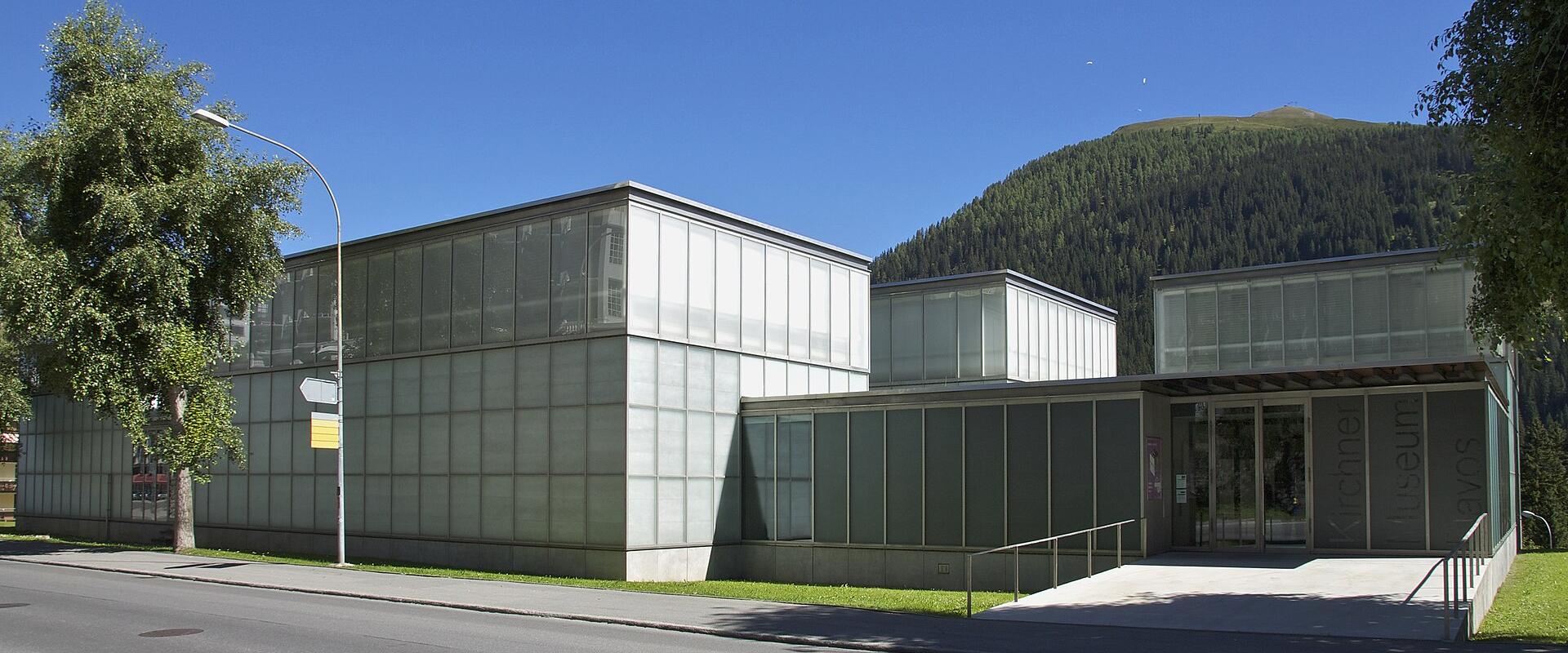
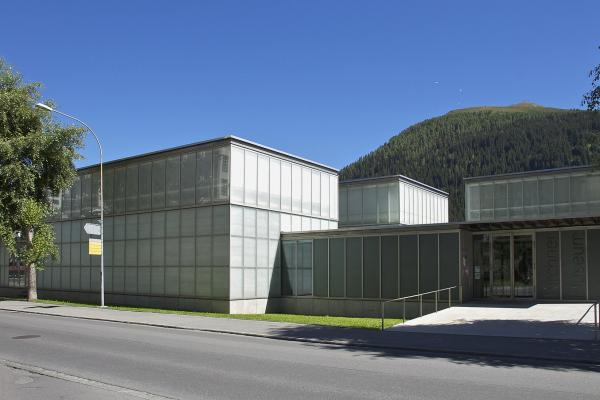
The building is worth a look in its own right. It was designed by the Zürich architects Annette Gigon and Mike Guyer and opened in 1992, and it has become a landmark of Swiss contemporary architecture. It is a group of cubes made of concrete and glass, with a restrained and geometric appearance, and it contrasts with the traditional chalets and large hotels of Davos. Inside, the rooms are bright, with daylight from skylights, and the plain walls allow the paintings to stand out. The architects designed the museum to feel like a series of connected, calm spaces, where the visitor moves from room to room without distraction.
The museum also offers talks, guided tours and workshops, some of which need to be booked in advance, and it has a small shop selling books and prints. Labels and information are in German and English, and audio guides may be available. It is closed on Mondays in most periods, but check opening times and admission prices before you visit, since they vary with the season. The museum is within walking distance of the centre of Davos and the railway station, and the town offers other places to see, including the lake and the Schatzalp.
The museum suits art lovers, architecture followers and anyone interested in Expressionism or in the cultural history of Davos. Allow one to two hours. A visit works well on a day when the weather is poor and outdoor activity is difficult, and it is also a good contrast to a day of skiing or walking.
Categories
More photos coming soon
Hours & Fees
- Open
- Tuesday to Sunday, 10:00 AM to 6:00 PM
- Admission
- 20 CHF; 17 CHF for residents, retirees, students
Hours and prices change, especially out of season. Check with the venue before you go.
Nearby Attractions
Other places to visit in Davos
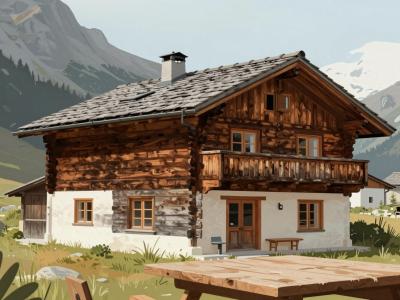
Clavadenger Alp
Historic alpine pasture in Davos, Switzerland
Mountains · Traditional Cuisine
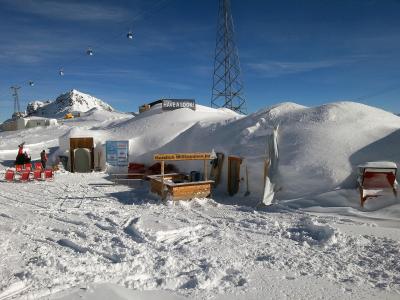
Iglu-Davos
Ice hotel in Swiss Alps
Mountains · Winter Sports
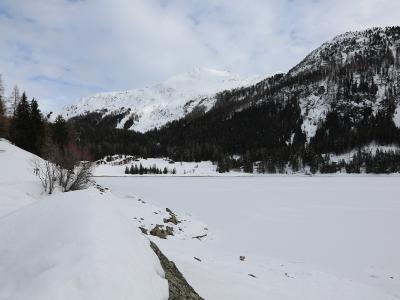
Lake Davos
Glacier-fed alpine lake in Davos, Switzerland
Free Natural Wonders · Walking Trails
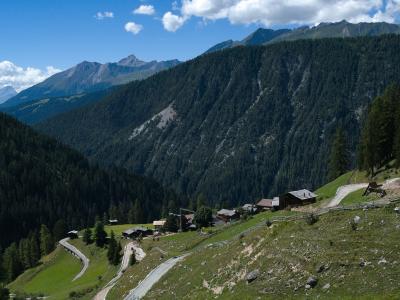
Monstein (historic Village)
Historic Walser village at 1,650m in Davos
Cultural Experiences · History & Heritage
Questions people ask
Quick Facts
Best Time to Visit
Visit from June to August for mild summer weather, or December to February for prime skiing conditions.