- Where
- Davos, Graubünden
- Directions
- Directions
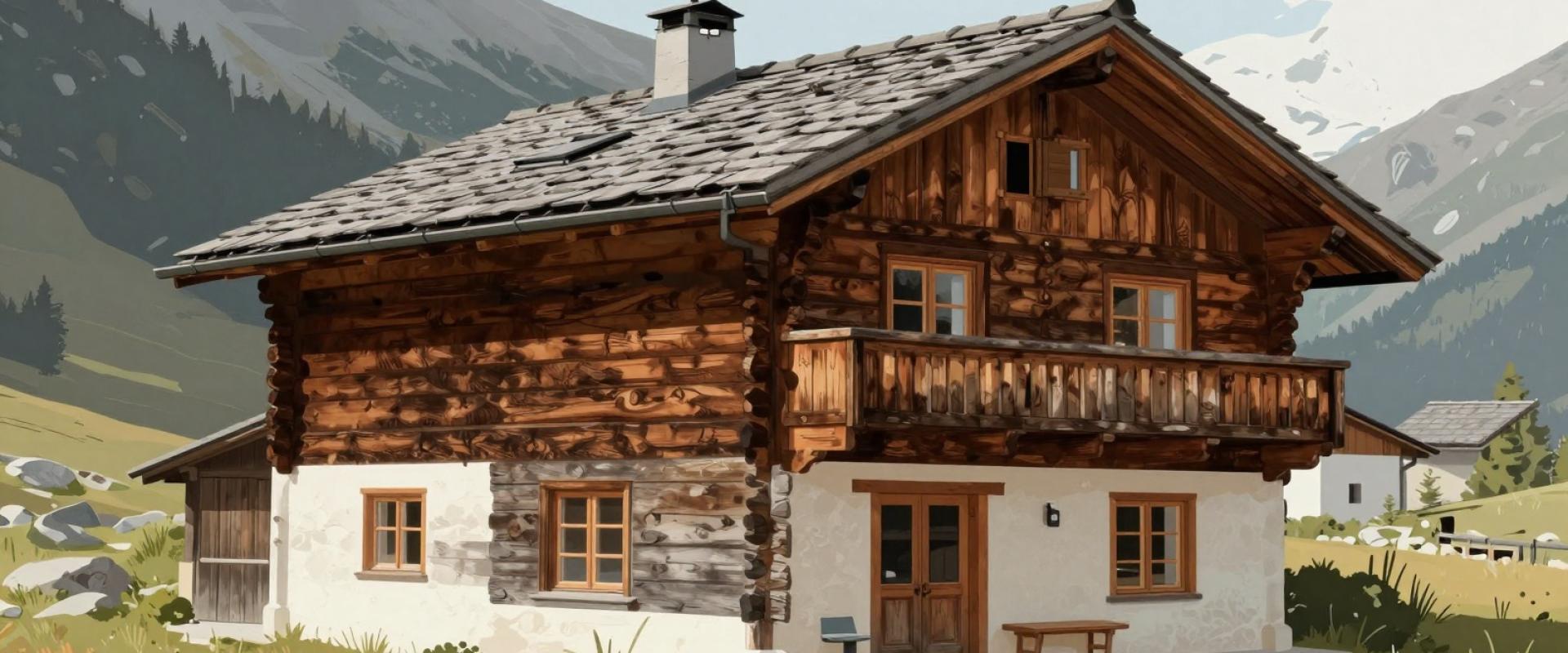
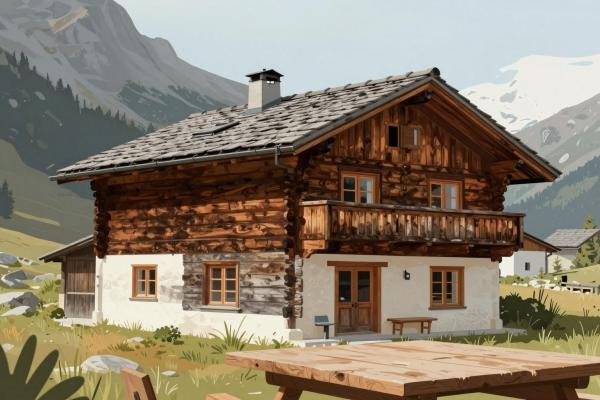
Davos is known for its ski slopes and conferences, but it is also an Alpine farming community, but the hills around the town are still working mountain farmland, and the alps, the high summer pastures, are an important part of its culture. Clavadenger Alp belongs to that world. An alp in the Swiss sense is a high pasture where cattle, sheep and goats are driven for the summer, usually from June to September, while the valley meadows are cut for hay. The farmers, with their families and herders, live in simple huts or chalets during the season, milk the cows and make cheese and butter on the spot, and the practice has been repeated in the same places for centuries.
Davos itself was settled by the Walser, German-speaking people who migrated from the Valais in the Middle Ages and farmed the high valleys of Graubünden, and the Walser tradition of alpine farming shaped the landscape. The side valleys of Davos, including the Dischma, Sertig and Flüela areas, are dotted with old timber barns, summer stables and alp huts, and the pastures extend high up the slopes below the rocky summits. On a walk across such an area, you pass dry-stone walls, wooden fences, water troughs, small chapels and, in summer, herds with bells, and the grass is rich in wildflowers, including gentians, arnica, alpine roses and orchids.
The details of any single alp, including its buildings, products and opening hours, are best checked locally, since small farms change hands and arrangements vary from year to year. What a visitor can expect in general is a quiet, working landscape rather than a developed attraction. Some alps serve simple food and drinks in summer, such as cheese, bread, dried meat and coffee, and some sell their own cheese, but others are private and should be respected as places of work. It is courteous to close gates, keep to marked paths and keep dogs on leads where cattle are grazing, since mother cows can be protective.
A walk to an alp is also a way of seeing the alpine landscape in its most traditional form. Trails in the Davos region lead from the valley bottom or from lift stations up to the pastures, with views of the Landwasser and the peaks around. The weather in the high Alps changes quickly, so carry waterproofs and warm clothing, and set out early. The season is short, and snow can linger well into early summer, so check conditions before you plan a route.
An alp suits walkers who enjoy quiet landscapes and farm life, families who like to see animals and photographers. It combines naturally with other places in the Davos area, such as Lake Davos, the village of Monstein and the Kirchner Museum.
Categories
More photos coming soon
Nearby Attractions
Other places to visit in Davos
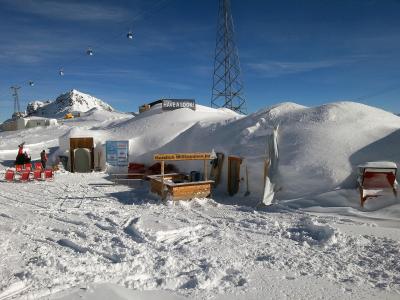
Iglu-Davos
Ice hotel in Swiss Alps
Mountains · Winter Sports
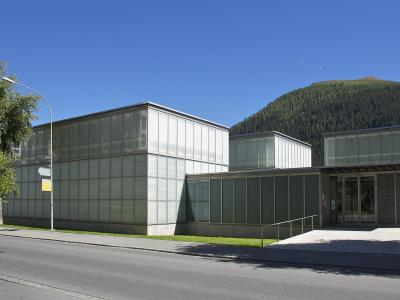
Kirchner Museum
Expressionist art museum in historic Dav building
From CHF 17 Museums
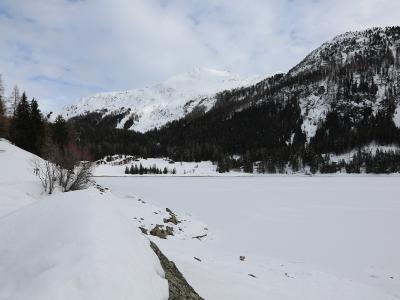
Lake Davos
Glacier-fed alpine lake in Davos, Switzerland
Free Natural Wonders · Walking Trails
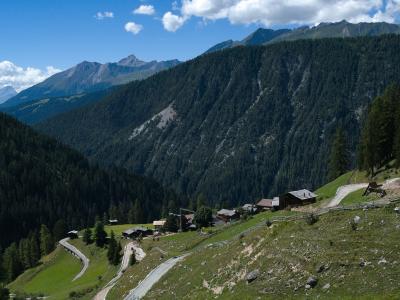
Monstein (historic Village)
Historic Walser village at 1,650m in Davos
Cultural Experiences · History & Heritage
Questions people ask
Quick Facts
Best Time to Visit
Visit from June to August for mild summer weather, or December to February for prime skiing conditions.