







- Where
- Genève, Lake Geneva
- Directions
- Directions
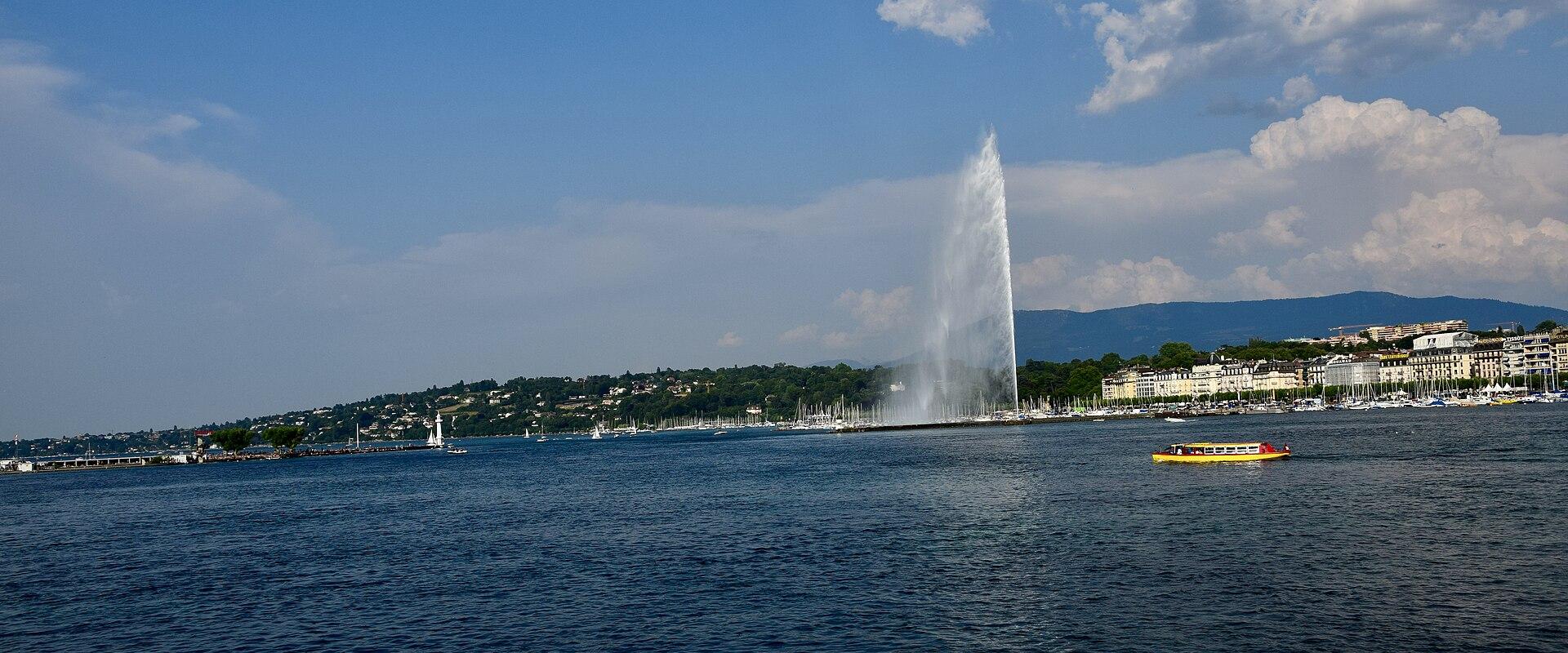
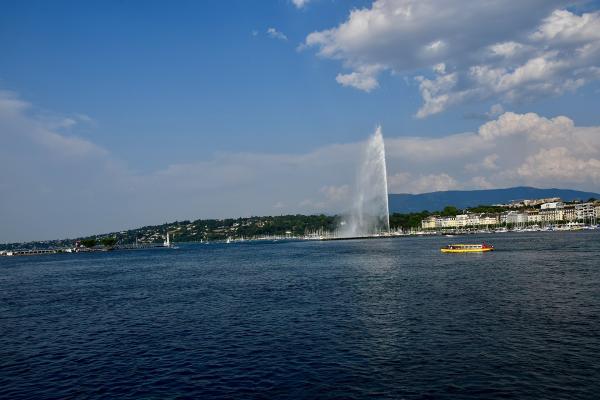
The Jet d'Eau is the emblem of Geneva, a tall white plume of water that rises from the harbour at the point where Lake Geneva narrows into the Rhône. It is one of the tallest fountains in the world and the tallest in Europe, shooting a stream of water about 140 metres into the air, and it can be seen from many parts of the city and from far out on the lake. On a clear day it is visible for several kilometres, and passengers on aircraft approaching Geneva airport often spot it from above. It has become as strongly associated with the city as the Eiffel Tower is with Paris, and it appears on postcards, posters and local souvenirs.
The fountain has a modest origin. In 1886 the city's hydraulic power station installed a jet as a safety valve to release excess pressure from its system, and the water that spurted from it, rising about thirty metres, attracted so much attention that it was kept as a feature. A few years later, in 1891, it was moved to its present site on the lakefront and made higher, as part of the celebrations of the six-hundredth anniversary of the Swiss Confederation. The fountain was rebuilt in 1951, with an electric pumping station that sent the water higher and with a more powerful jet, and it has remained at its present size since then.
The figures involved are impressive. Two pumps drive water through a narrow nozzle at a speed of about 200 kilometres per hour, and at any moment around seven tonnes of water are in the air. The plume reaches 140 metres in normal conditions, and the water is taken directly from the lake, so no treatment is needed. It runs through the year, but it is shut down in strong winds, particularly the bise, the cold wind that blows from the north-east, since the spray could drench the quay and the traffic, and in freezing conditions. At night it is illuminated, and the colours of the lighting change on special occasions and festivals.
You can walk along the jetty toward the base of the fountain, depending on conditions and safety, and on windy days the mist drifts across the promenade, so a light waterproof is useful and a camera needs protection. The best views are from further away, across the water, for example from the Quai du Mont-Blanc on the opposite shore, where the jet rises above the boats and the lakefront, and from the yellow boats called Mouettes that cross the harbour. The Jardin Anglais, the Bains des Pâquis and the old town are all within walking distance, so the fountain is a natural part of a stroll along the water.
Visiting is free and the fountain operates for most hours of the day, though schedules and conditions change, so check the city's information if you have a particular time in mind. It suits all ages and is best seen at different times of day: in the morning light, at sunset, when the spray turns pink, and after dark, when it glows. A visit takes thirty minutes to an hour, longer if you stop for a meal at a lakeside restaurant.
Categories
More photos coming soon
Nearby Attractions
Other places to visit in Genève
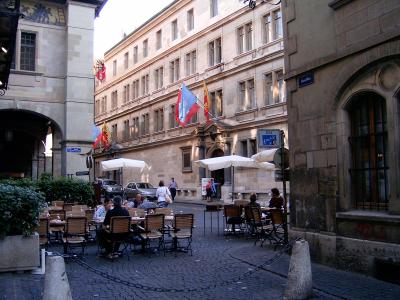
Geneva's Old Town
Medieval streets and St. Peter’s Cathedral views
Cultural Experiences · History & Heritage
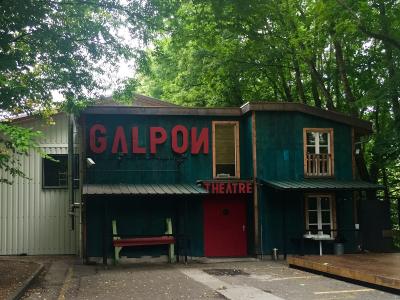
Galpon Theatre, Geneva
Intimate Geneva theatre fostering performing arts
Cultural Experiences · Theaters
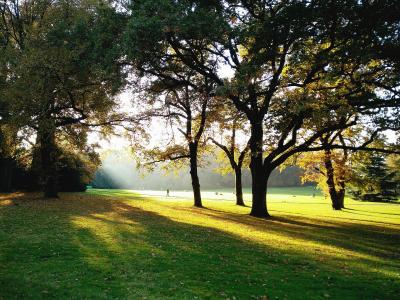
Parc La Grange (The Grange Park)
Rose garden with 200+ varieties and hillside mansion
Natural Wonders · Urban Exploration
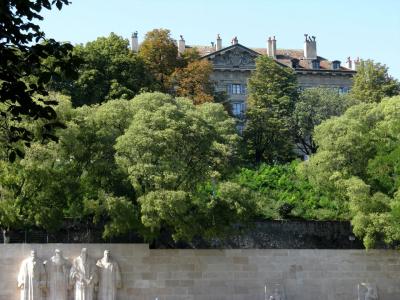
Reformation Wall
Monument honoring key Protestant Reformation leaders
Cultural Experiences · History & Heritage
Questions people ask
Quick Facts
Best Time to Visit
Visit from May to September for warm weather, lake activities, and vibrant festivals, while avoiding the cold winter months.