







- Where
- Genève, Lake Geneva
- Directions
- Directions
The Jardin Anglais is a small lakeside park on the left bank of Geneva, laid out beside the Pont du Mont-Blanc where the lake narrows into the Rhône. Its name, English garden, refers to the style of landscape design it follows, with informal lawns and curving paths in contrast to the formal French garden, and it was created in the middle of the nineteenth century on land reclaimed from the lake. It is only a few minutes' walk from the old town and from the main shopping streets, which makes it one of the places where people naturally gather, whether to eat lunch, to meet friends or to watch the boats on the water.
The park's best-known feature is the flower clock, the Horloge fleurie, which was installed in 1955. Its face is a circular bed of plants set into the lawn beside the lake, and the numbers and hands are marked out in a design that changes with the seasons. Gardeners replant it several times a year with different flowers, so that the colours shift from spring to autumn. A real mechanism drives the hands, and the second hand is said to be the longest of any flower clock in the world, sweeping a wide arc across the bed. The clock is a reminder of Geneva's long tradition of watchmaking, and it is one of the most photographed sights in the city, with the lake and the Jet d'Eau in the background on a clear day.
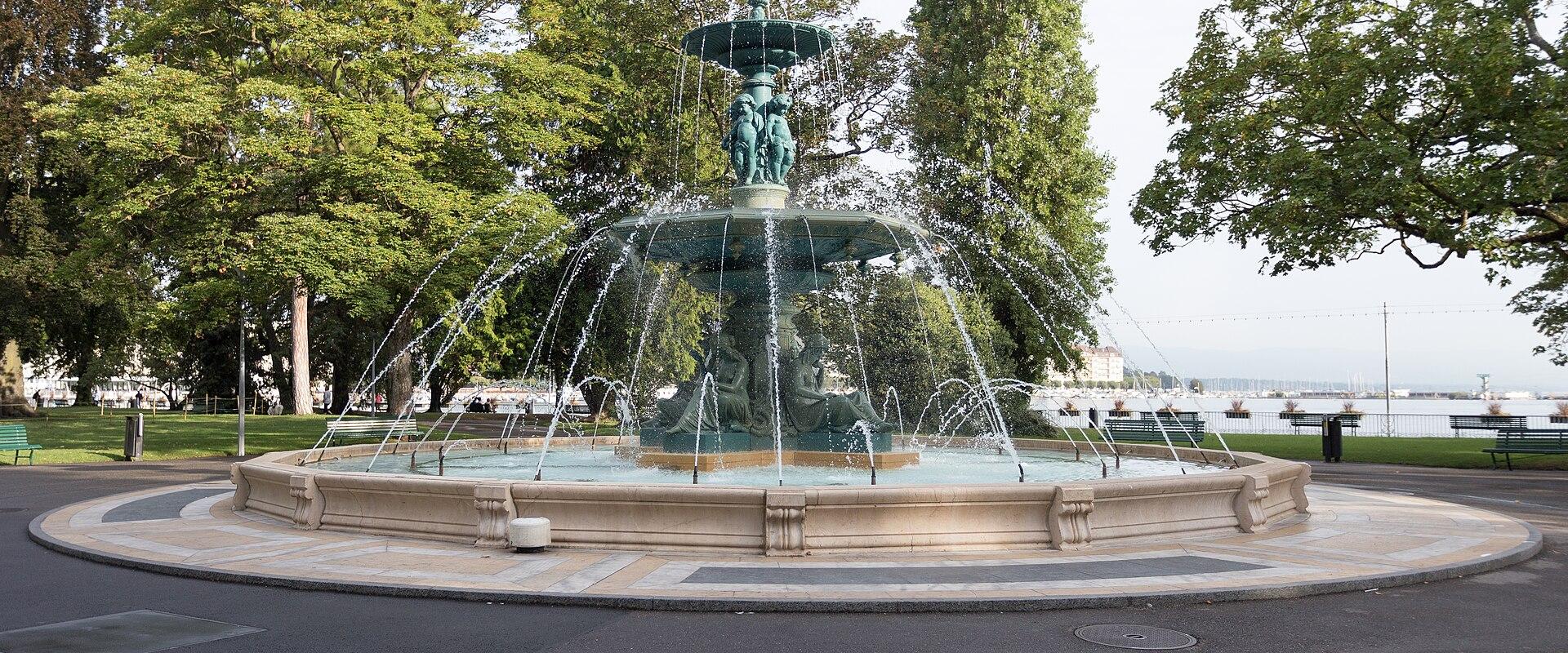
The garden also has monuments with a more serious historical meaning. The National Monument, put up in the late nineteenth century, commemorates Geneva's entry into the Swiss Confederation in 1814 and 1815, after the period of French occupation that followed the Revolution. Two bronze female figures represent Geneva and Switzerland, and the sculpture is a rare example of civic pride in a city that long saw itself as a republic standing apart. Elsewhere in the park there is a fountain and plenty of benches, shaded by tall trees.
The area around the park is rich in other sights. A short walk across the Pont du Mont-Blanc leads to the Quai du Mont-Blanc and the hotels of the right bank, while in the other direction the lakeside walk continues past the Jet d'Eau. The little Île Rousseau, a tiny island in the Rhône with a statue of the philosopher Jean-Jacques Rousseau, who was born in Geneva, is a short walk away, and the yellow Mouettes boats leave from nearby landing stages. Summer is the busiest season, when the lawns fill with sunbathers and concerts and events are held nearby, while in winter the park is quieter, though seasonal markets and decorations may appear.
The park is free and open at all hours. It suits anyone with a few minutes to spare, and it is particularly pleasant in the early morning, when the lake is calm and few people are about, and at dusk, when the lights come on along the quay. Allow twenty to thirty minutes for a visit, more if you sit and watch the lake. The flower display is at its fullest from late spring to early autumn, so time your visit accordingly if you want the best photographs.
Categories
More photos coming soon
Nearby Attractions
Other places to visit in Genève
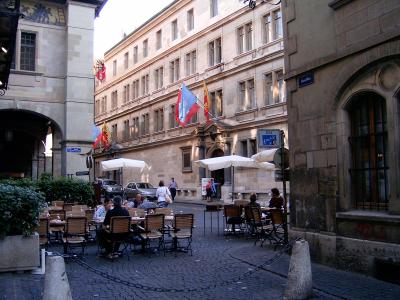
Geneva's Old Town
Medieval streets and St. Peter’s Cathedral views
Cultural Experiences · History & Heritage
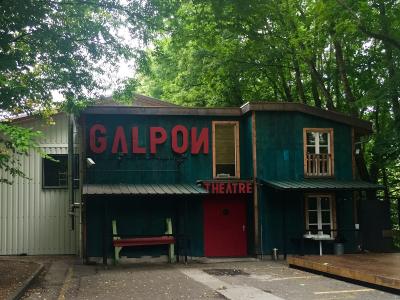
Galpon Theatre, Geneva
Intimate Geneva theatre fostering performing arts
Cultural Experiences · Theaters
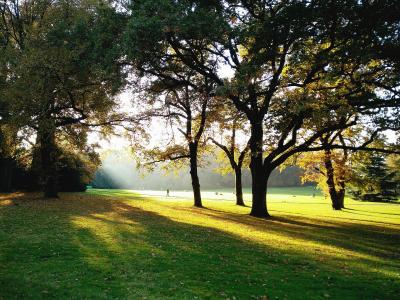
Parc La Grange (The Grange Park)
Rose garden with 200+ varieties and hillside mansion
Natural Wonders · Urban Exploration
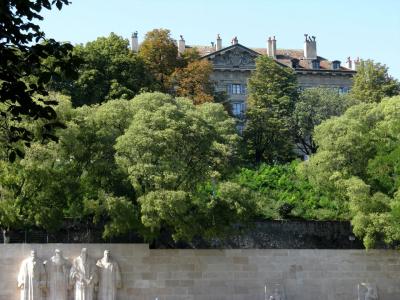
Reformation Wall
Monument honoring key Protestant Reformation leaders
Cultural Experiences · History & Heritage
Questions people ask
Quick Facts
Best Time to Visit
Visit from May to September for warm weather, lake activities, and vibrant festivals, while avoiding the cold winter months.