








- Where
- Liestal, Basel
- Directions
- Directions
Liestal is the capital of the canton of Basel-Landschaft, which became a separate canton in 1833 when the rural part of the old canton of Basel split from the city. The small town sits in the valley of the Ergolz, a short train ride from Basel, and its old centre is a compact, walkable group of streets lined with buildings from many periods. Liestal’s old town rarely appears on the main tourist routes, which is part of the appeal: the old town is a working place with shops, offices and cafés, and the historic buildings are part of daily life.
The Törli, the old town gate, is a good starting point. One of the few surviving gates, it stands as the most recognisable image of the old town. It is one of the best-preserved elements of the town’s medieval defences and gives access to the main street, where the old walls and towers once enclosed the town. From there the Rathaus, the Town Hall, stands out with its colourful facade and clock tower, a building of the 16th century that has served as the seat of local government for generations. The Stadtkirche, the Town Church, rises above the roofs with its tower and shows features from different periods, with a long history that goes back to the Middle Ages. Around them, the streets keep houses with painted shutters, stone doorways and the occasional carved detail, as well as fountains and small squares where people stop to talk.
The town grew from a settlement that the Bishop of Basel fortified in the Middle Ages, and later it became an important market town for the surrounding countryside. After the separation of the canton in 1833 it became the cantonal capital, and several administrative buildings were added to the old centre. The Swiss poet Carl Spitteler, winner of the Nobel Prize in Literature, was born in Liestal, and the town’s Dichter- und Stadtmuseum, the Poets and Town Museum, remembers writers connected with it. The cantonal museum, Museum.BL, stands nearby, and combining the buildings with a visit adds the story of the silk-ribbon industry.
The best way to see Liestal is to walk through the old town slowly, looking up at the facades and into side lanes. A circuit of the main streets takes under an hour, and it fits easily with a short trip up to the Schleifenberg lookout tower or a day on the Liestal–Bubendorf Cycle Route. Many buildings are private or in use, so most are seen from the outside, and interiors such as the church open only at certain times.
The old town suits architecture and history fans, day-trippers from Basel and anyone curious about the Swiss countryside beyond the main resorts. It is a calm, authentic stop with few crowds.

More photos coming soon
Nearby Attractions
Other places to visit in Liestal
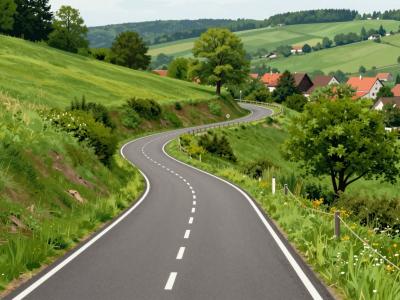
Liestal–Bubendorf Cycle Route
43 km paved loop with castles and varied terrain
Activities & Adventure · Cycling Routes
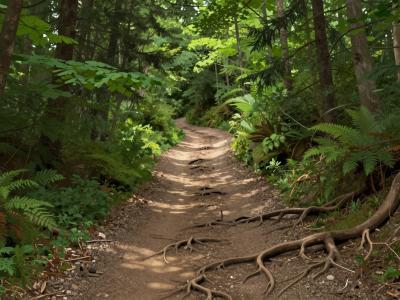
Singletrail Along Oristalstrasse
Singletrail weaving through Liestal's forested hills
Activities & Adventure · Cycling Routes
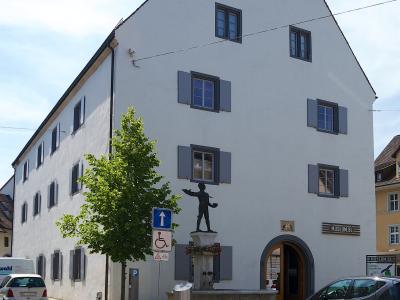
Museum.BL
Swiss silk-ribbon heritage with working looms
Cultural Experiences · Museums

Aussichtsturm Schleifenberg
Observation tower with panoramic views near Liestal
Natural Wonders · Viewpoints
Questions people ask
Quick Facts
Best Time to Visit
May to September offers warm weather, lively markets, and ideal conditions for hiking, sightseeing, and exploring Liestal’s historic and cultural attractions.