







- Where
- Binn, Valais
- Directions
- Directions
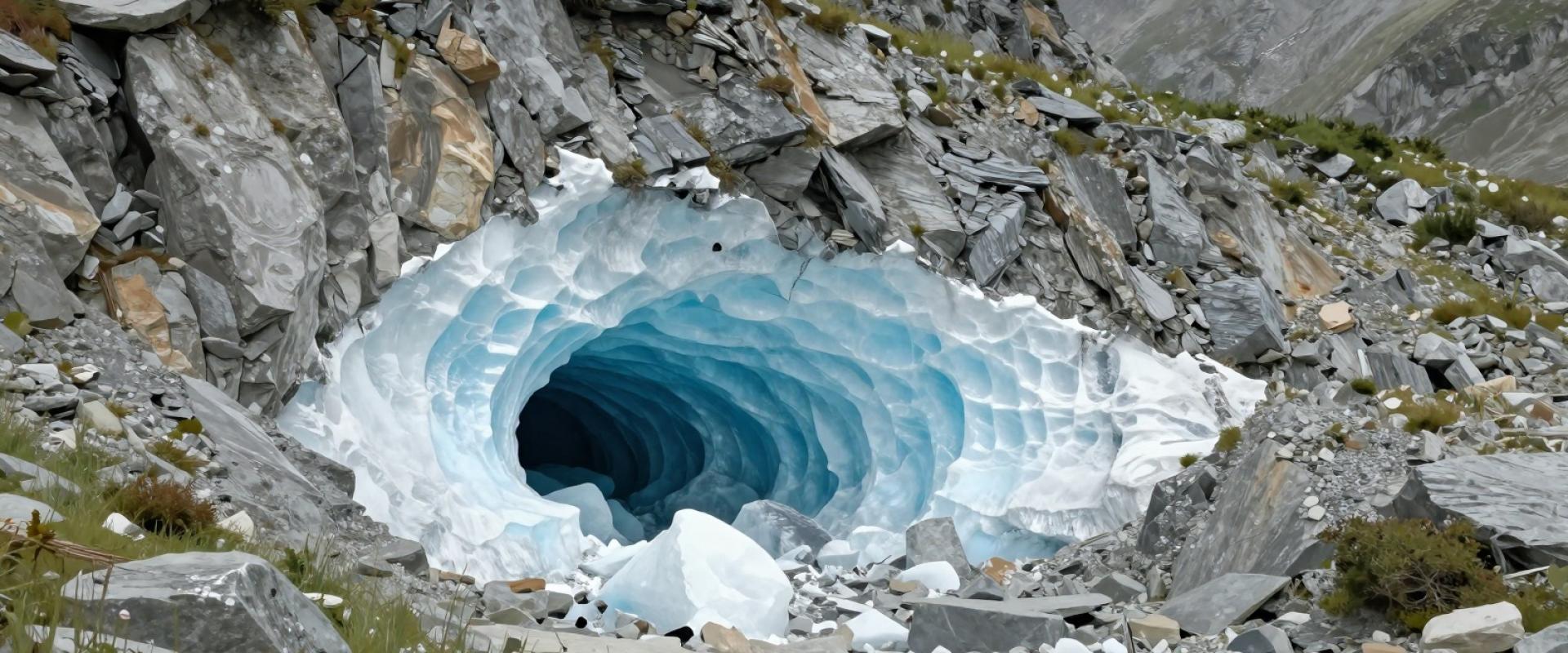
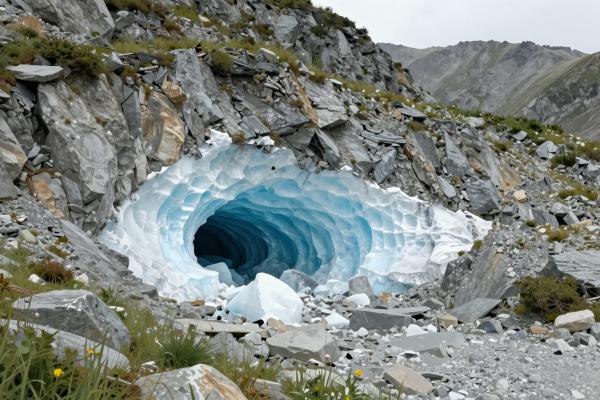
The word Gletscherstube is German for glacier parlour, and it is used in the Alps for rooms, huts and small mountain restaurants close to a glacier, where hikers can warm up and eat. The word does not point to one single place, so a visitor who sees the name on a map or a sign should check locally what is on offer: a hut or an inn, a viewpoint, or a small exhibit about the ice. In the Valais, where the great glaciers of the Aletsch region and the high valleys around Binn are found, the name appears in several places. What can be described with more confidence is the surrounding region, the Binn Valley, which is among the most interesting side valleys of the upper Rhone.
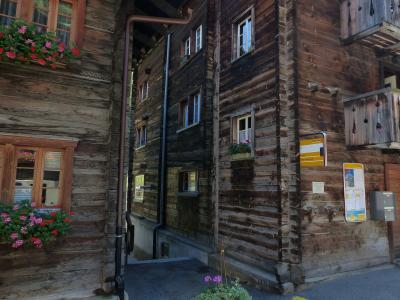
The Binntal, as the valley is called in German, runs from Fiesch in the Goms northward and then eastward into the mountains near the Italian border. It is a narrow and remote valley, entered through a gorge, and it is protected as a nature park. The village of Binn, at the centre, is a small cluster of dark timber houses with stone roofs, old barns and a church, and it keeps a traditional character, with a few simple hotels and guesthouses. The high peaks around the valley, among them the Ofenhorn, are the haunt of walkers and climbers, and there are quiet lakes, high pastures and alpine passes into Italy.
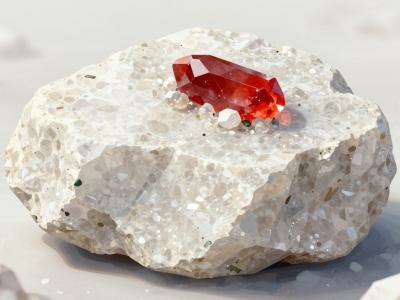
Binn is internationally known among geologists and collectors for its minerals. The Lengenbach quarry above the village is one of the most famous mineral sites in the world, a dolomite deposit that has produced rare sulphide minerals, many of them found nowhere else in such quality, and it has been worked by mineral hunters for generations. In summer, the quarry can be visited by arrangement, and visitors can search the spoil heaps for crystals under supervision. The village has a small museum devoted to the valley’s minerals, culture and history, which helps explain the finds and the way of life of the people who lived from farming and, later, from collecting.
A day in the valley might include a walk through the gorge, a visit to the museum and the quarry, and a stroll in the village. The Binn region is quiet, rarely crowded, and its trails range from gentle valley walks to demanding high-mountain routes, so there is plenty of choice. The road to the village is narrow in places, and in the cooler months parts of the valley can be affected by snow, so check access.
The valley suits hikers, mineral enthusiasts, geology fans and anyone who enjoys remote and quiet places. If you plan to go to a specific Gletscherstube, confirm its location, opening times and access route before you set out, since mountain huts have limited seasons.
Categories
More photos coming soon
Questions people ask
Quick Facts
Best Time to Visit
June to September offers mild weather, blooming meadows, and open trails—ideal for hiking, mineral collecting, and exploring Binn’s alpine scenery.