







- Where
- Binn, Valais
- Directions
- Directions
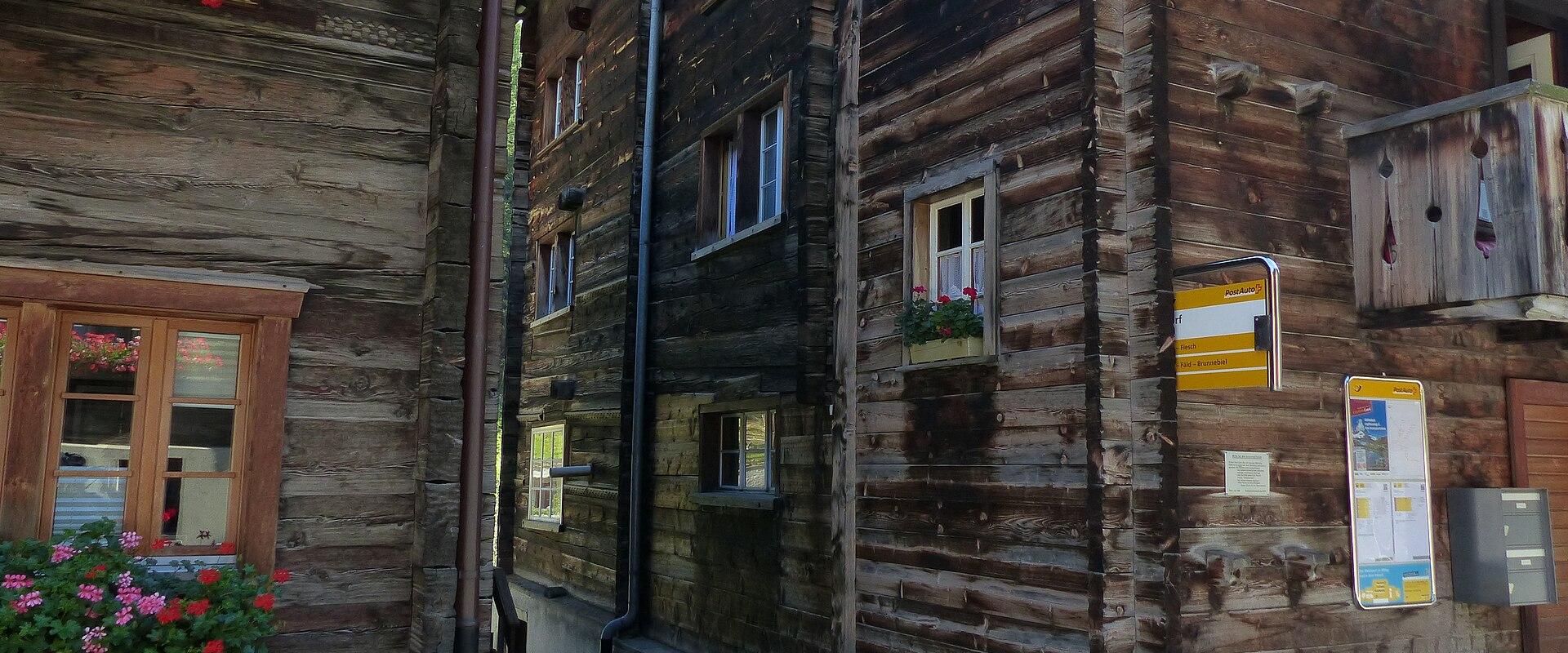
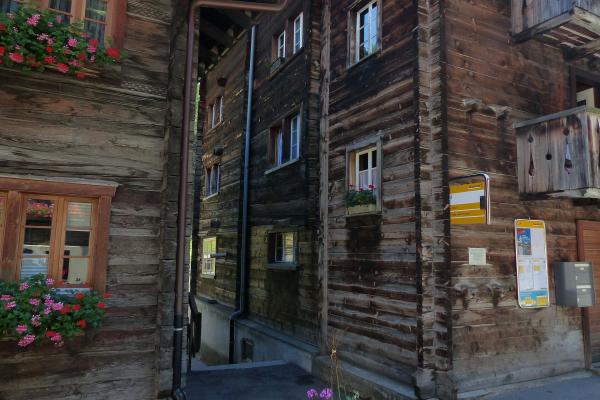
Binn is a village at 1,400 metres in the Binntal, a side valley of the Goms in the Upper Valais, reached by a narrow road that winds up from Fiesch and Ernen through a deep gorge. It is a small place of dark wooden houses and stone barns, a church and a few inns, and it is surrounded by steep slopes and high peaks that mark the border with Italy. The valley is protected as a nature park, the Landschaftspark Binntal, and the combination of traditional village life and wild surroundings gives it an unusual calm. It is one of the places in Switzerland where you can feel that the modern world has been slow to arrive.
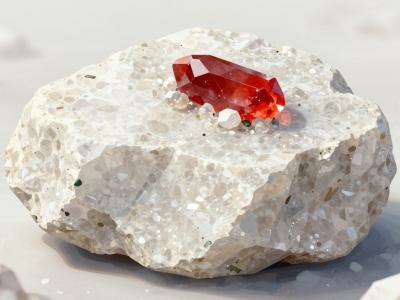
The valley is famous among geologists and collectors for its minerals. The rocks here are of unusual and varied types, and a quarry at Lengenbach, high above the village, is internationally known for rare minerals, many of them found nowhere else or first described from this site. For centuries, local people known as strahlers, crystal hunters, searched the mountains for rock crystal and other minerals, and the tradition continues. A regional museum in the village tells the story of the valley's geology, mining history and daily life, and shops in Binn sell minerals and crystals to visitors. Collecting in the nature park is regulated, so visitors should find out what is allowed before they pick up anything.
Plants are another speciality. The mix of rock types, from limestone to acidic gneiss, and the range of altitudes and exposures in the valley supports a very diverse alpine flora, including rare species that attract botanists. The meadows are rich in flowers in early summer, and butterflies and other insects are abundant. Marmots, chamois, ibex and golden eagles may be seen in the high country, and the valley's nature park has marked trails and information boards to help visitors understand the ecology.
Walking is the main activity. Easy paths follow the stream and cross meadows near the village, while longer routes climb to alpine pastures, mountain lakes and passes. The Albrun Pass leads to Italy and the Alpe Devero, and the Ofenhorn, a peak of over 3,200 metres, rises at the head of the valley. Footbridges, small chapels and old stone bridges add interest to the walks. The area is also used for cross-country skiing and snowshoeing in winter, though the valley road may be closed temporarily after heavy snow.
The village suits walkers, nature lovers, mineral enthusiasts and anyone seeking a quiet place. A short visit is possible by car or bus from Fiesch, but staying overnight allows time for a walk and a meal in a local inn, where dishes of cheese, dried meat and rye bread are typical. Weather in the mountains can change fast, so bring layers and sturdy shoes, and check conditions and bus timetables before you go. Allow a half day for the village and the museum, a full day for a hike.
Categories
More photos coming soon
Nearby Attractions
Other places to visit in Binn
Questions people ask
Quick Facts
Best Time to Visit
June to September offers mild weather, blooming meadows, and open trails—ideal for hiking, mineral collecting, and exploring Binn’s alpine scenery.