







- Admission
- Free admission with the Zürich Card
- Hours
- Sun, Fri, Sat 13:30 - 18:00; Tue, Wed, Thu 17:00 - 20:00; also open in the evening for eve...
- Where
- Zürich, Zurich
- Directions
- Directions
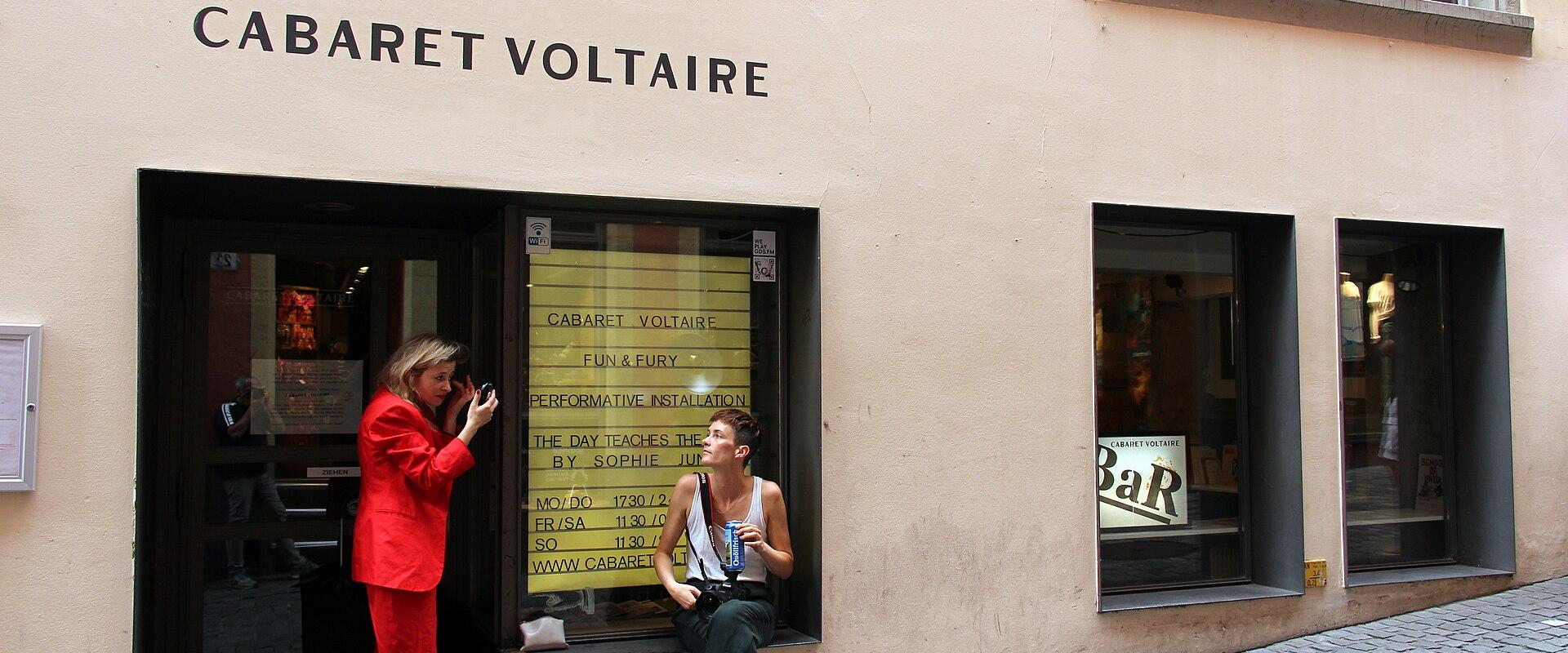
In a narrow lane of Zurich's old town, a modest building at Spiegelgasse 1 holds one of the most influential addresses in twentieth-century art. In February 1916, in the middle of the First World War, the German writer Hugo Ball and his partner, the singer and poet Emmy Hennings, opened a cabaret here for artists who had taken refuge in neutral Switzerland. They called it the Cabaret Voltaire, after the French Enlightenment writer, and the evenings they organised became the cradle of Dada.
The mood of the programme was a deliberate protest. Surrounded by a war that seemed to prove the bankruptcy of reason, the young artists turned to nonsense, noise, masks, sound poems and wild performances as a way to reject the values that had led Europe into catastrophe. Hugo Ball recited sound poetry in a tube-like costume made of cardboard, and the Romanian poet Tristan Tzara, the painter Marcel Janco, the Alsatian artist Hans Arp and the German writer Richard Huelsenbach joined in. The name Dada itself was coined during these months, and the movement spread from here to Berlin, Paris and New York, shaping Surrealism, performance art and much of what followed. The original cabaret lasted only a few months, but its effects continued for decades.
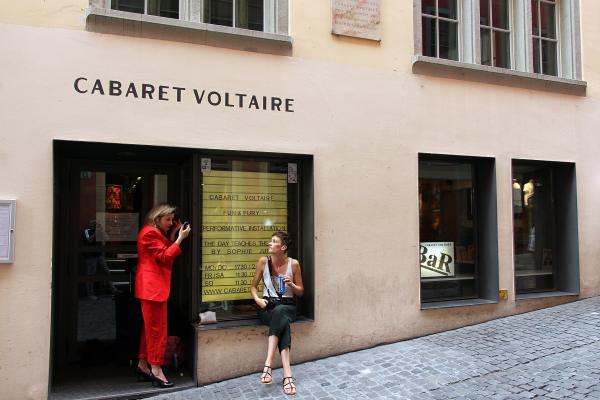
The building itself had a long period of neglect before artists rediscovered it in the early twenty-first century, occupying the premises and prompting a revival. Today it is run as a cultural venue, with a bar and meeting room on the first floor and exhibitions, readings, performances and screenings that carry on the spirit of experiment. A small library of Dada material and works inspired by the movement are on show. The rooms feel intimate and slightly chaotic, which suits their history.
The neighbourhood adds to the story. Not far up the same lane, at number 14, the Russian revolutionary Lenin lived in exile during the same period, and local guides like to point out that Dada and revolution were neighbours. The old town streets around it, with their steep lanes and small squares, are among the most atmospheric in the city.
Opening hours vary with the programme and are best checked before a visit. Some events are held in the evening, when the bar fills with a mixed crowd of students, artists and curious visitors.
Categories
More photos coming soon
Hours & Fees
- Open
- Sun, Fri, Sat 13:30 - 18:00; Tue, Wed, Thu 17:00 - 20:00; also open in the evening for events
- Admission
- Free admission with the Zürich Card
Hours and prices change, especially out of season. Check with the venue before you go.
Nearby Attractions
Other places to visit in Zürich
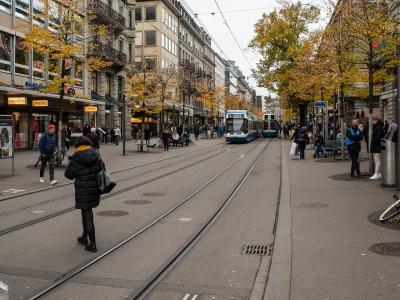
Bahnhofstrasse (Zürich)
Luxury shopping street in central Zürich
Urban Exploration · City Centers
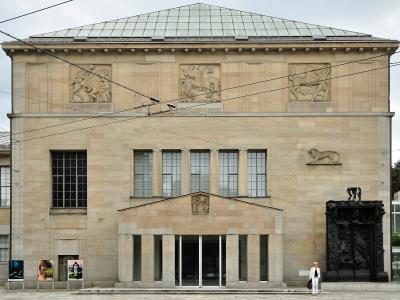
Kunsthaus Zürich
Leading Swiss art museum with diverse collections
Cultural Experiences · Museums
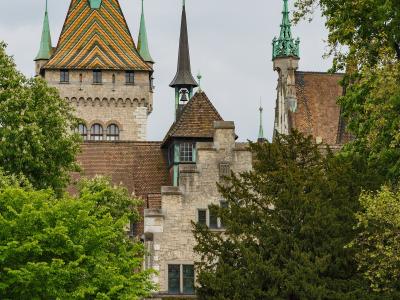
National Museum Zurich (Landesmuseum Zürich)
Swiss cultural history in a historic castle
Cultural Experiences · History & Heritage
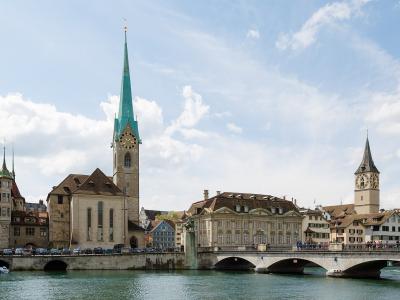
Fraumünster (Zürich)
Historic Zürich church with Chagall stained glass
Cultural Experiences · History & Heritage
Questions people ask
Quick Facts
Best Time to Visit
Visit from late May to early September for warm weather, long daylight, and vibrant outdoor festivals.