






Beyer Clock and Watch Museum
Zurich museum housing 260 historic timepieces from 1400 BC
- Admission
- Free for Zürich Card holders
- Children up to 12
- Hours
- Not found
- Where
- Zürich, Zurich
- Directions
- Directions
The Beyer Clock and Watch Museum is in the basement of a shop on Bahnhofstrasse, which makes it one of the most unusual museums in Zürich. The shop belongs to Beyer Chronometrie, a family firm of watchmakers and jewellers that has been trading in the city since 1760, and the museum is built on the private collection that the family put together over generations. It opened to the public in the early 1970s and has remained a small, personal museum, with a collection of around 260 objects that tell the story of how people have measured time, from antiquity to the present. Because it is in the basement of an active business, it has a different feeling from a large museum, with intimacy and a focus on craftsmanship.
The story begins with the sun. The earliest exhibits are devices that used the shadow of the sun or the flow of water to mark the hours, such as sundials of many kinds and water clocks, called clepsydrae, which were used in ancient Egypt, Greece and Rome, and which allowed people to measure time at night and in cloudy weather. A collection of ancient timekeeping instruments shows how the problem of dividing the day developed over thousands of years. The museum also holds sand glasses, candle clocks and other early devices, and the display explains how each worked.
The medieval and Renaissance sections show the invention of the mechanical clock, which appeared in Europe in the late thirteenth and fourteenth centuries, and the large tower clocks that were installed in churches and town halls. The museum displays some of these mechanisms, with their huge iron wheels and weights, as well as smaller table clocks and the first portable watches of the sixteenth century, which were worn on a chain and were as much jewellery as instrument. The development of the pendulum, the spring and the balance wheel made clocks more accurate, and the story continues with the marine chronometers that allowed navigators to find longitude at sea, the pocket watches of the nineteenth century and the wristwatches of the twentieth. Swiss watchmaking, which became a world leader through precision and craftsmanship, naturally has a place, and visitors can see examples of fine work, with enamel painting, engraving and complications such as chimes and calendars.
The museum has labels in several languages, and guided tours can be arranged, some of them in English, so it is worth checking the programme and booking in advance. Special exhibitions are held from time to time, on themes such as miniature enamel painting on watches, and the museum is accessible for wheelchair users. Admission is charged, with reductions and free entry for children, and some visitor cards include it. Group visits and private events can be arranged.
The museum is a short walk from the main railway station, on the same street as many of the city's famous watch shops, and it can be combined with a stroll along Bahnhofstrasse, to the lake, or to the old town. It suits watch lovers, history readers and anyone curious about technology. Allow about an hour. Opening days are limited, so check before you go.
Categories
More photos coming soon
Hours & Fees
- Open
- Not found
- Admission
- Free for Zürich Card holders; children up to 12
Hours and prices change, especially out of season. Check with the venue before you go.
Nearby Attractions
Other places to visit in Zürich
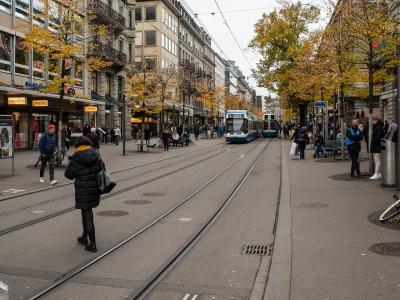
Bahnhofstrasse (Zürich)
Luxury shopping street in central Zürich
Urban Exploration · City Centers
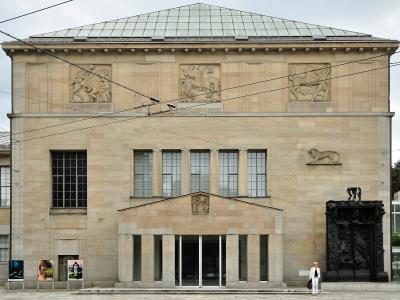
Kunsthaus Zürich
Leading Swiss art museum with diverse collections
Cultural Experiences · Museums
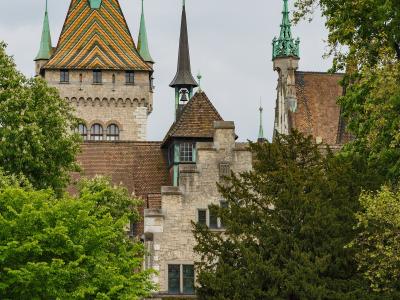
National Museum Zurich (Landesmuseum Zürich)
Swiss cultural history in a historic castle
Cultural Experiences · History & Heritage
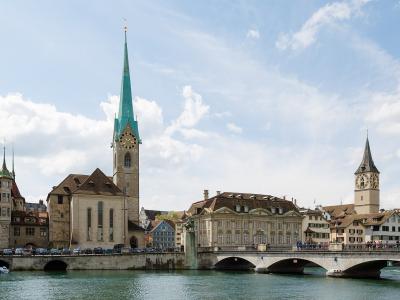
Fraumünster (Zürich)
Historic Zürich church with Chagall stained glass
Cultural Experiences · History & Heritage
Questions people ask
Quick Facts
Best Time to Visit
Visit from late May to early September for warm weather, long daylight, and vibrant outdoor festivals.