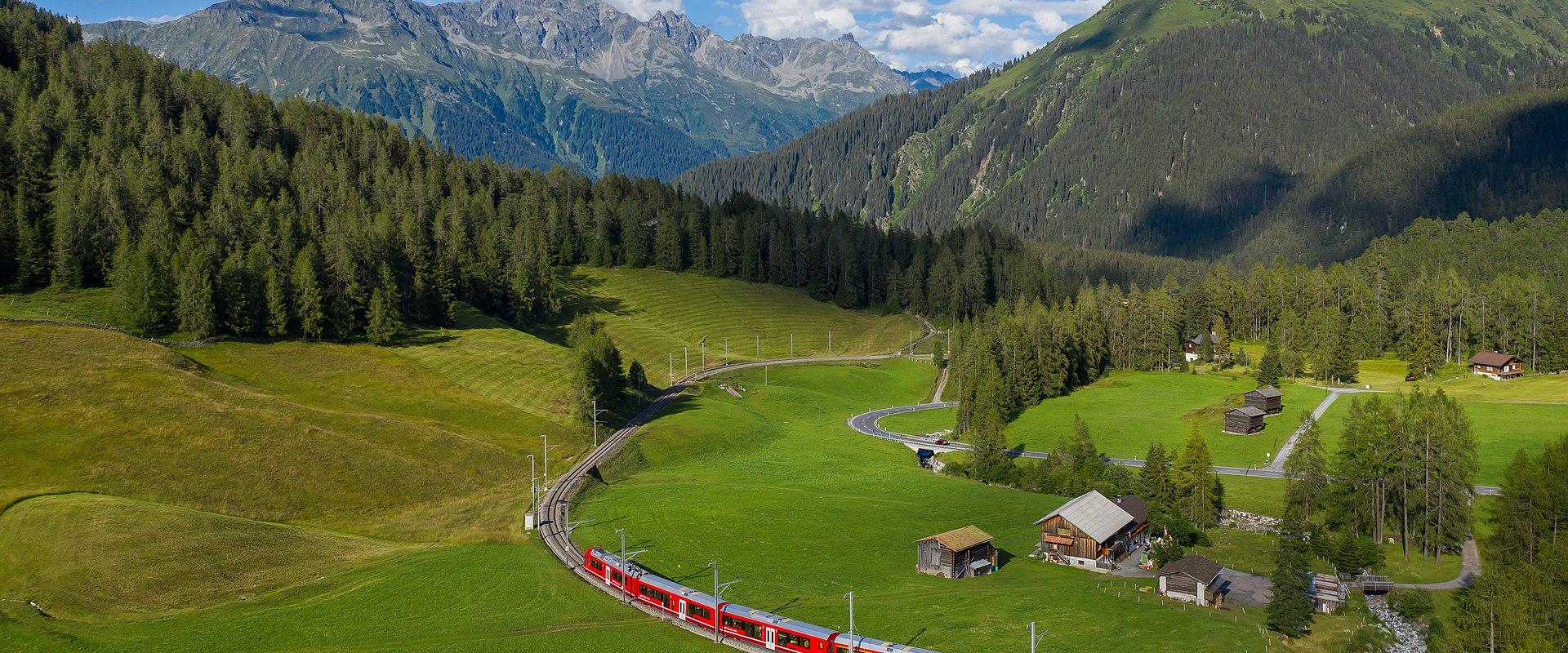
Swiss Rail Network Overview
Swiss Federal Railways (SBB) operates the primary rail network. This system ensures seamless integration with buses and boats. High reliability and punctuality are standard features across all lines. The network connects major hubs to remote alpine areas efficiently. Travelers experience razor-sharp punctuality on scenic routes. Customer service remains exceptional and friendly throughout the journey. The infrastructure supports panoramic journeys surpassing standard air travel. Unique train designs enhance the viewing experience significantly. The system serves as a premier European rail option. Bucket-list worthy routes traverse stunning alpine landscapes. The network facilitates easy access to remote destinations. Schedules are coordinated to minimize transfer wait times. This integration creates a cohesive travel experience nationwide. Reliability allows for flexible itinerary planning without stress. The rail network is considered a holy grail for enthusiasts. It offers magical panoramic journeys across diverse terrains. The infrastructure supports high-frequency service on key corridors. This setup ensures consistent quality for all passengers.
Iconic Alpine Routes
Switzerland’s rail network features dedicated panoramic trains for optimal viewing. These specialized cars offer wide windows and rotating seats. The Glacier Express connects Zermatt and St. Moritz. This route spans approximately 291 kilometers. The journey takes roughly eight hours. Passengers traverse 91 tunnels and cross 291 bridges. The train climbs through the Oberalp Pass. Snow-capped peaks and deep gorges define the landscape. The Bernina Express links Chur to Tirano, Italy. This line crosses the Alps without a rack system. It reaches the Bernina Pass at 2,253 meters. The route descends into the Italian valley. Travelers see the Palü Glacier and Lake Poschiavo. Both trains operate daily during peak seasons. Reservations are mandatory for these specific services. Standard Swiss Travel Passes cover the journey cost. However, a seat reservation fee applies separately. This fee ensures a guaranteed window seat. The trains depart from major city hubs. Zermatt and St. Moritz are car-free towns. Access requires train or bus transfer. The experience combines engineering marvels with alpine scenery. Punctuality remains a core operational standard. Trains adhere to strict timetables across the network. Passengers enjoy heated cabins during winter months. Summer schedules offer extended daylight viewing hours. The infrastructure supports year-round reliable service. These routes represent the pinnacle of Swiss rail travel.
Ticketing and Passes
The Swiss Travel Pass provides unlimited travel on public transport. This includes trains, buses, and boats across the country. It covers most scenic train routes effectively. Holders receive free entry to over 500 museums. This benefit applies to major institutions in cities like Zurich and Geneva. The pass is available in various durations. Travelers can choose three, four, six, or eight consecutive days. First-class and second-class options are also available. Prices vary based on class and duration. Seat reservations are not included in the pass price. They are separate and must be booked in advance. This is mandatory for panoramic trains like the Glacier Express. Booking early ensures a seat on popular routes. The reservation fee is fixed per person. It does not depend on the train speed. You can book online or at station counters. Always check specific route requirements before travel. Some mountain railways require additional supplements. These fees are separate from the reservation cost. The Swiss Travel Pass simplifies budgeting significantly. It removes the need for individual ticket purchases. This system supports efficient and flexible travel planning. It is ideal for comprehensive Swiss itineraries. Verify current prices on the official SBB website. Rules may change with seasonal adjustments. Plan reservations well ahead of your trip. This ensures availability on high-demand scenic lines.
Seasonal Considerations
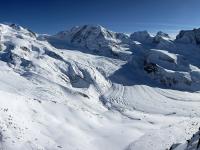
Summer travel on Swiss scenic trains offers lush greenery and clear skies. Alpine meadows display vibrant wildflowers during July and August. High-altitude passes remain fully accessible without snow obstruction. Passengers enjoy unobstructed views of glacial peaks. Winter transforms the landscape into a snowy panorama. The Glacier Express traverses snow-covered valleys in December. Dramatic views of frozen lakes define the season. However, winter travel may involve delays due to weather conditions. Heavy snowfall can impact track clearance times. Passengers should monitor SBB real-time updates closely. Seasonal choice depends on personal preference and weather tolerance. Summer suits those seeking mild temperatures and hiking. Winter appeals to travelers preferring stark, white scenery. Both seasons require appropriate clothing for altitude changes. Summer demands sun protection for exposed mountain areas. Winter requires thermal layers for unheated viewing platforms. The Swiss Travel Pass remains valid year-round. No seasonal surcharges apply to standard scenic routes. Booking in advance is crucial for peak winter holidays. Summer offers more flexible last-minute ticket availability. Consider shoulder seasons for balanced weather and fewer crowds. Spring brings melting snow and rushing waterfalls. Autumn provides golden larch forests in Engadin. Each season presents distinct photographic opportunities for rail enthusiasts.
Planning and Practical Tips
Reserve seats on panoramic trains well before peak season. The Glacier Express and Bernina Express require mandatory reservations. Book these months ahead to secure preferred window seats. Check Swiss weather forecasts daily before departure. Mountain weather shifts rapidly, affecting visibility and schedules. Winter travel demands extra caution due to snow. Delays occur frequently on high-altitude alpine routes. SBB trains maintain high punctuality, but exceptions exist. Plan for flexibility when navigating unexpected changes. Carry a physical ticket or valid digital pass. The Swiss Travel Pass covers most standard scenic routes. However, it does not include mandatory reservation fees. Budget extra funds for these specific seat bookings. Verify train times via the SBB Mobile app. Real-time updates help manage potential schedule disruptions. Pack layers for varying temperatures inside and outside. Large windows offer unobstructed views of Swiss landscapes. Ensure your camera battery is fully charged. Power outlets are available on most modern trains. Stay hydrated during long alpine journeys. Water fountains are accessible at major stations. Respect quiet zones to maintain a peaceful environment. Follow all safety instructions provided by conductors. Keep aisles clear for efficient boarding and alighting. Arrive at stations ten minutes early. This allows time for platform navigation and security checks.