Healthcare Infrastructure Overview
Switzerland maintains a high standard of medical care. Advanced facilities serve urban and rural areas. Hospitals are widely available across the country. Major centers employ multilingual medical staff. This ensures clear communication for tourists. The infrastructure supports efficient emergency response. You will find quality care everywhere. However, medical services are not free. Tourists must pay for treatment upfront. Private health insurance is strongly recommended. It covers unexpected medical expenses effectively. Public healthcare is for residents primarily. Visitors should carry proof of coverage. Costs can be significant without insurance. Facilities are clean and well-equipped. Staff are professional and skilled. English is commonly spoken in cities. Rural areas may have limited language support. Emergency number is 144 for ambulance. Police number is 117. Fire services number is 118. These numbers work nationwide. Keep insurance documents accessible at all times. Reimbursement processes vary by provider. Direct billing is rare for foreigners. Prepare cash for initial payments. The system is reliable and safe. Switzerland offers excellent health security. Plan your insurance before arrival. This ensures peace of mind. Medical care is a priority here. The infrastructure reflects this commitment. You are safe in Swiss hands. Just remember to pay first. Insurance handles the financial details. This structure keeps healthcare accessible. It also maintains high quality. Tourists benefit from this system. Awareness of payment is key. Do not assume coverage exists. Verify your policy details carefully. Switzerland’s health sector is robust. It meets international standards. Your safety depends on preparation. Carry your insurance card always. This simple step prevents issues. The infrastructure is ready for you. Ensure your paperwork is complete. This allows smooth treatment if needed. Switzerland values health and safety. The system supports this goal. Be informed and stay protected.
Mandatory Travel Insurance Requirements
Switzerland’s healthcare system is exceptionally advanced but financially demanding. Medical costs here rank among the highest globally. Without adequate coverage, unexpected bills can be devastating. Travelers must secure comprehensive insurance before arrival. This policy is not optional for financial safety. Basic plans often exclude critical emergency services. You need coverage for emergency medical treatment specifically. Hospitalization expenses in Swiss clinics are substantial. Medical evacuation from remote mountain areas costs heavily. Standard policies may not cover these specialized transports. Adventure sports require specific additional coverage. High-altitude activities like skiing or mountaineering pose risks. Many insurers exclude these without explicit riders. Check your policy for altitude limits carefully. Some plans cap coverage at certain elevations. Ensure your policy includes 24/7 multilingual assistance. Swiss regions speak German, French, Italian, and Romansh. Language barriers can complicate urgent medical situations. Assistance teams help navigate local healthcare systems. Always carry physical copies of your policy documents. Digital access may fail in remote alpine zones. Verify that your insurer has direct billing agreements. This prevents you from paying upfront large sums. Swiss hospitals often require immediate payment proof. Confirm your coverage limits match potential costs. A single day in an ICU can cost thousands. Plan your insurance based on your itinerary. Urban visits differ from high-altitude expeditions. Tailor your coverage to your specific activities. Do not rely on generic travel advice. Switzerland’s unique geography demands specialized protection. Prioritize insurers with strong local networks. This ensures faster response during emergencies. Financial protection is as vital as physical safety.
Alpine Risks and Altitude Sickness
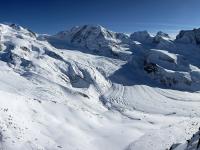
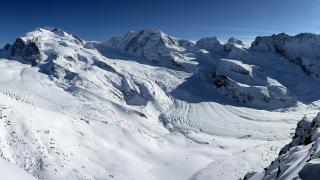
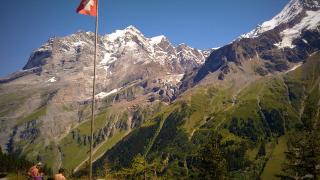
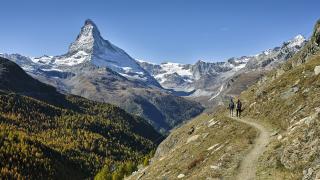
Switzerland’s high-altitude alpine terrain presents specific health risks. Travelers often encounter elevations exceeding 2,500 meters during excursions. The thin air at these heights significantly reduces oxygen availability. This environmental factor creates a direct risk of altitude sickness. Symptoms typically manifest as persistent headaches, nausea, and dizziness. These physical reactions indicate the body is struggling to adapt. Prevention requires a strategy of gradual acclimatization over several days. Sudden ascents to high peaks dramatically increase health risks. Maintaining proper hydration is critical for physiological adjustment. Dehydration exacerbates the negative effects of low oxygen levels. Alcohol consumption must be strictly avoided during the initial ascent. It interferes with sleep patterns and worsens dehydration. If symptoms persist or intensify, immediate descent is mandatory. Lowering elevation is the most effective treatment for mild cases. Severe cases require urgent medical intervention and professional help. Swiss mountain rescue services are highly trained and efficient. They operate frequently in remote alpine regions. Travelers should carry identification for potential rescue costs. Understanding these risks ensures a safer experience in the Alps. Proper preparation mitigates the dangers associated with high elevations.
Emergency Numbers and Response Protocols
Switzerland utilizes unified emergency numbers for rapid assistance. Dial 112 for general emergencies across the country. This number connects you to police, fire, or medical services. It operates 24 hours a day, seven days a week. For medical emergencies specifically, dial 144. This number dispatches ambulances and air rescue teams directly. Response times vary by location, but urban areas receive faster service. Rural alpine regions may require longer transit times for ground units. Air rescue is common in remote mountainous areas. Always provide your precise location when calling. Swiss emergency operators speak multiple languages, including English. Clear communication ensures accurate dispatch of appropriate resources. For poisoning incidents, contact the Poison Control Center at 145. This service provides immediate toxicological advice and guidance. Pharmacies play a crucial role in minor health issues. They are open during standard business hours in most towns. Many pharmacies offer after-hours duty services in urban centers. Look for the green cross sign to locate open pharmacies. Pharmacists can treat minor ailments and provide essential advice. They often serve as the first point of contact for non-urgent care. Carry your health insurance card at all times. It facilitates faster processing during any medical interaction. Keep emergency numbers saved in your mobile phone. This ensures quick access if you lose your device. Familiarize yourself with local hospital locations before traveling. Knowing nearby facilities helps in urgent situations. Switzerland’s infrastructure supports efficient emergency response systems. Trust these protocols for safety during your stay.
Food, Water, and Wildlife Safety
Switzerland offers exceptionally safe drinking water nationwide. Tap water meets strict quality standards in all regions. You can safely drink tap water from public fountains. This reduces plastic waste and saves money. Food hygiene regulations are rigorous across the country. Restaurants and markets adhere to high safety protocols. The risk of foodborne illness is very low. Strict controls ensure fresh and properly handled ingredients. Wildlife precautions are essential in forested and alpine areas. Ticks are common in grassy and wooded zones. They carry risks of Lyme disease and TBE. Wear long pants and light-colored clothing in summer. Check your body thoroughly after outdoor activities. Use insect repellent containing DEET for protection. Remove ticks promptly with fine-tipped tweezers. Pull straight out to avoid leaving mouthparts. Monitor for rashes or flu-like symptoms for weeks. Maintain safe distances from wild animals like deer. Do not approach or feed any wildlife. Bears are rare but present in some valleys. Store food securely to avoid attracting animals. Keep campsites clean and free of scraps. These simple measures ensure a healthy trip. Switzerland’s natural environment is beautiful but requires respect. Proper preparation minimizes health risks significantly. Stay aware of your surroundings at all times. Follow local guidelines for hiking and camping. This ensures safety for you and the animals.