




Cultural Rhythms and Seasonal Rhythms
Swiss festivals blend multilingual traditions with deep local roots. The four official languages shape distinct regional celebrations. Bern’s Fasnacht features masked parades in late winter. Basel’s Carnival is the largest, starting after Ash Wednesday. These events are secular yet rooted in religious history. The Basler Fasnacht is the most significant. It begins at 4:00 AM on the Monday after Ash Wednesday. The three-day event defines the local cultural rhythm. In contrast, the Bernese Sechseläuten occurs in spring. It honors the traditional spring bee-keeping customs. The Fête des Vignerons in Vevey is unique. It occurs only once every generation. This major event highlights the region’s wine heritage. Swiss celebrations balance religious observance with secular joy. Many events are tied to agricultural cycles. The Sechseläuten marks the end of winter. The Fasnacht marks the start of Lent. These dates are fixed by the lunar calendar. Visitors should plan accommodation early. Major cities host the largest gatherings. Smaller towns offer more intimate experiences. The Swiss Travel System connects most event locations. Trains run frequently during peak festival times. Prices for public transport remain standard. No special festival passes are usually required. Local customs dictate specific behaviors. Silence is expected during solemn processions. Loud music is common in street parades. Understanding these distinctions enhances the experience. Respect for local dialects is appreciated. Many events are free to attend. Some require tickets for specific venues. Always check official municipal websites for schedules.
The Major Seasonal Anchors
Swiss cultural life follows three distinct seasonal anchors. These events define the national calendar and attract significant local participation.
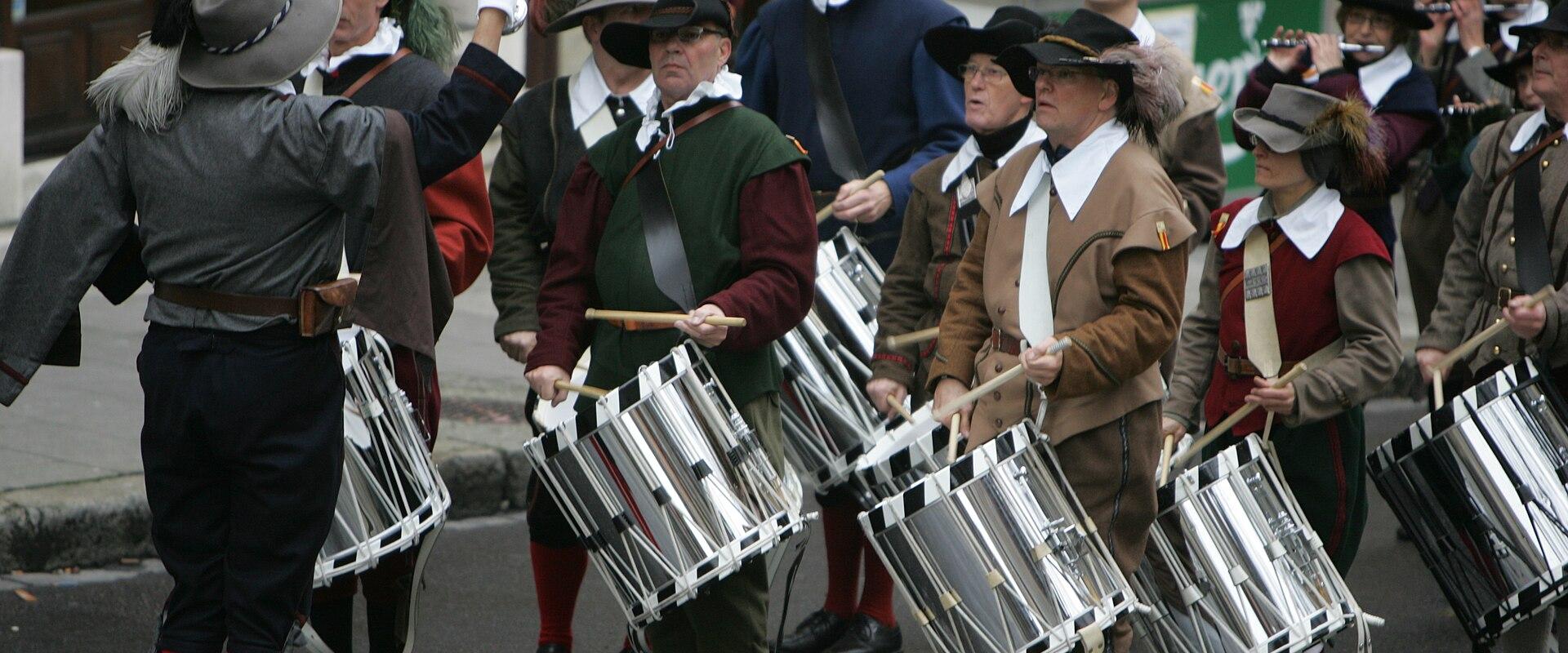
Fasnacht: The Winter Anchor Basel Fasnacht begins at 4 AM on Monday after Ash Wednesday. It lasts exactly 72 hours. This unique tradition features masked parades and lantern processions. The city empties as revelers celebrate. Other cities like Bern and Lucerne hold smaller versions. These events mark the end of the winter season.
Summer: The Cultural Peak Summer brings diverse festivals across the country. Jazz festivals occur in Montreux and Zurich. Film festivals take place in Locarno and Zurich. These events leverage the pleasant weather. Local traditions also thrive during this period. Alpine yodelling contests and folk dancing are common. The long daylight hours support outdoor programming. Visitors should book accommodations early for these peaks.
Harvest: The Community Focus Autumn harvest festivals are local and community-focused. They celebrate the end of the agricultural year. Wine harvests in Vaud and Valais feature grape stomping. Cheese festivals in Gruyères highlight dairy production. These events are less commercial than summer festivals. They emphasize regional identity and tradition. Attendance is primarily local residents. The atmosphere is intimate and authentic. These gatherings provide insight into Swiss rural life.
Planning around these anchors ensures a culturally rich experience. Each season offers a distinct perspective on Swiss heritage.
Regional Variations and Local Traditions
Swiss festivals reflect distinct linguistic and cultural zones. German-speaking regions prioritize traditional folk customs. Valais hosts wine harvest festivals in autumn. These events celebrate local vineyards and alpine culture. Ticino offers Italian-style culinary celebrations. Food festivals highlight cheese and chocolate production. Local markets feature regional specialties and crafts. French-speaking areas emphasize historical reenactments. Geneva’s Flower Festival occurs in spring. It transforms public spaces with floral displays. Each region maintains unique ceremonial practices. Rural communities preserve ancient agricultural rituals. Urban centers host contemporary art exhibitions. Basel’s Art Basel attracts international collectors. Zurich’s Street Parade defines summer electronic music. Timing varies by canton and tradition. Visitors should check local municipal calendars. Prices for festival entry differ significantly. Some rural events remain free to attend. Others require advance ticket purchases. Transportation links connect major festival sites. Swiss Travel Pass covers most routes. Understanding local dialects enhances the experience. Respect for regional customs is essential. Participation in local traditions shows cultural appreciation. These variations define Switzerland’s rich cultural tapestry.
Practical Logistics and Etiquette
Swiss noise ordinances are strictly enforced. Quiet hours typically begin at 10 PM. Festival organizers must adhere to these local regulations. Attendees should respect residential areas near event sites. Loud music or shouting is prohibited after designated times. This ensures harmony with local residents.
Payment methods vary by event scale. Major urban festivals accept credit cards widely. Smaller, rural gatherings often remain cash-only. The Swiss franc is the official currency. Carry sufficient coins for small purchases. Vending machines and ticket booths may not accept cards. Plan your budget accordingly to avoid inconvenience.
Punctuality is a core cultural value. Arrive at venues exactly at the scheduled time. Late entry may disrupt performances or cause missed segments. Swiss trains run on precise schedules. Use the Swiss Travel System for efficient transport. Weather changes rapidly in Alpine regions. Pack layers for sudden temperature drops. Rain gear is essential for outdoor festivals. Prepare for both sun and storm conditions.
Planning and Booking Strategies
Major Swiss festivals require advance booking. Basel Fasnacht draws massive crowds. Secure tickets months in advance. Accommodation near venues fills quickly. Book hotels early for summer events. Swiss public transport is highly efficient. Use the Swiss Travel Pass for flexibility. Trains connect major cities to rural festivals. This option is often cheaper than driving. Parking at rural events is limited and expensive. Public transport is the recommended travel method. SBB CFF FFSS manages the national rail network. Schedules are precise and reliable. Check SBB mobile app for real-time updates. Swiss Francs are the standard currency. Credit cards are accepted in cities. Cash is preferred at small rural stalls. Plan meals in advance. Restaurants near festivals are fully booked. Reserve tables weeks ahead. Swiss hospitality is excellent but limited. Advance planning ensures a stress-free experience. Last-minute bookings are risky and expensive. Prioritize essential logistics early. Secure accommodation first. Then book event tickets. This sequence ensures availability. Swiss infrastructure supports efficient travel. Trains run frequently and on time. Use public transport to reduce stress. Driving is less convenient in crowded areas. Parking is difficult and costly. Public transport is the optimal choice. It is efficient, reliable, and affordable. Plan carefully for a smooth experience.