1-day itinerary
Discovering Saint-Ursanne
One-day medieval village tour in Saint-Ursanne
- Length
- 1 day · 7 sights
- Pace
- Easy
- Estimated cost
- CHF 35 per person
- Based in
- Saint-Ursanne
Day by day
-
Day 1: Medieval Charm and River Views in Saint-Ursanne
A leisurely exploration of Switzerland's quietest medieval village, focusing on its historic architecture, the Doubs river, and the serene cloister.
-
09:00
Visit the Cloître de St-Ursanne
Start your day at the peaceful cloister of the Great Collegiate Church. This 12th-century Romanesque cloister is one of the best-preserved in Switzerland, offering a tranquil atmosphere with its unique arcades and garden.
About 60 min
-
10:15
Explore the Great Collegiate Church
Admire the exterior and interior of the impressive collegiate church, a key landmark of the town. Note the architectural details and the historical significance of this religious site.
About 45 min
-
11:00
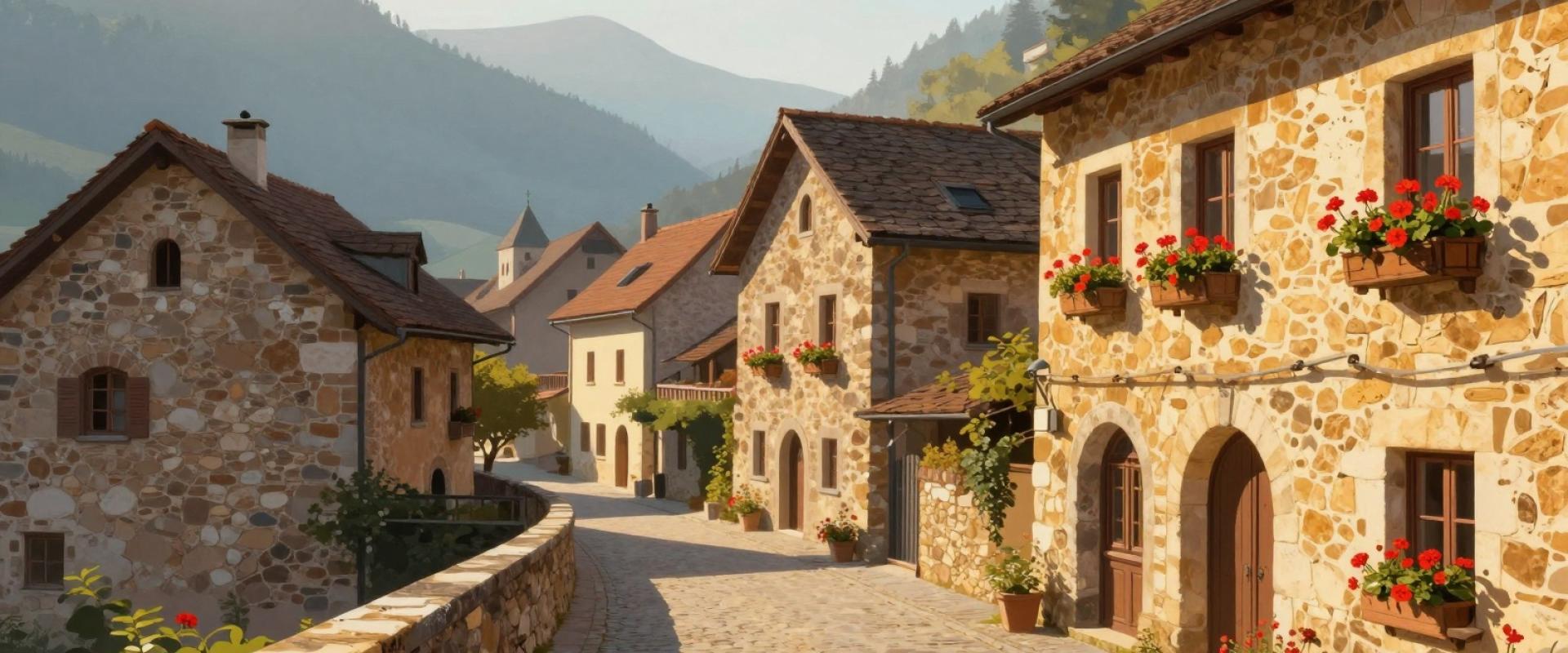
Stroll Through the Medieval Old Town
Wander through the small main street and narrow alleys of the old town. Enjoy the serene atmosphere, view the medieval towers, and observe the traditional houses that characterize this quiet village.
About 60 min
-
12:10
Lunch with a View
Enjoy a traditional Swiss or regional lunch at a local café or restaurant in the town center. Look for spots with outdoor seating if the weather permits.
About 1.5 hours
-
13:45
Cross Pont St-Jean
Walk across the historic Pont St-Jean. From the bridge, you will have scenic views of the river Doubs and the Natural Park of the Doubs on the French side. It's a perfect spot for photography.
About 60 min
-
14:45
Visit Ermitage et Chapelle de Saint-Ursanne
Take a short walk to the hermitage and chapel dedicated to the town's founder, St. Ursicinus. This site offers a quiet reflection on the town's 7th-century origins and provides additional scenic overlooks.
About 1.5 hours
-
16:15
Relax by the Doubs River
Spend some leisure time relaxing along the banks of the Doubs. Enjoy the natural beauty of the river and the surrounding landscape, which is part of the Natural Park of the Doubs.
About 60 min
- Meals:
- Lunch at Town Center Restaurant; Snack at Local Bakery/Café
- Where to stay:
- Saint-Ursanne is small; consider staying in nearby villages like Baume-les-Dames (France) or Delémont (Switzerland) for more hotel options, or look for local guesthouses (chambres d'hôtes) in Saint-Ursanne.
- Getting around:
- The town is very walkable. If arriving from elsewhere, public transport (bus/train) connects to nearby hubs like Delémont or Pontarlier. A car is useful for exploring the wider Doubs valley.
-
09:00