Day 1: Jura Heritage and Nature in Saignelégier
Explore the historic old town, visit the local museum, and enjoy the scenic views of the Swiss Jura mountains. This day focuses on cultural heritage and gentle nature walks.
-
09:00
Morning Stroll through the Old Town
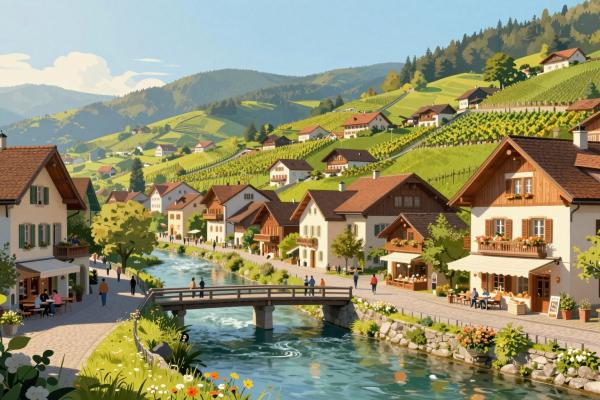
Begin your day by exploring the charming pedestrian-friendly streets of Saignelégier. Admire the traditional Jura architecture, including half-timbered houses and the iconic clock tower.
-
10:15
Visit the Museum of the Jura
Dive into the local history at the Museum of the Jura. Learn about the region's watchmaking heritage, traditional crafts, and the geological formation of the Jura mountains.
-
12:30
Traditional Jura Lunch
Enjoy a hearty lunch at a local restaurant in the town center. Try local specialties such as Gruyère cheese dishes or regional sausages.
-
14:00
Nature Walk at Centre Nature Les Cerlatez
Take a relaxing walk in the nearby nature reserve. This area offers beautiful trails through the Jura landscape, perfect for birdwatching and enjoying the fresh mountain air.
-
16:15
Visit Saint-Pierre Chapel
Explore the historic Saint-Pierre Chapel, a significant religious and architectural landmark in Saignelégier with beautiful interior details.
-
17:30
Afternoon Coffee and Cake
Unwind with a Swiss-style afternoon coffee and a slice of cake at a cozy local café, reflecting on the day's discoveries.
Meals:
Lunch at Town Center Restaurant , Snack at Local Café
Where to stay: Stay in Saignelégier or nearby villages like La Baroche for a quiet Jura experience. Options include boutique hotels and guesthouses.
Getting around: The town center is walkable. For the nature reserve, a short walk or local bus is sufficient. A car is useful if exploring surrounding villages.
Practical Information
Saignelégier, located in the Swiss Jura, offers a quiet retreat best experienced during the shoulder seasons of spring (May–June) and autumn (September–October). These periods provide mild temperatures ideal for hiking and sightseeing, with fewer crowds than the peak summer months. Winter visits are possible but require preparation for snow and cold, as the region’s charm is heavily tied to its natural landscape. Summer can be pleasant but may see higher tourist traffic, particularly near Lake de la Gruère.
Reaching Saignelégier is straightforward via Switzerland’s efficient rail network. The town has its own train station with regular connections to major hubs like Biel/Bienne and La Chaux-de-Fonds. From Biel, travelers can take a direct train to Saignelégier, a journey of approximately 30–40 minutes. Once in town, the compact center is easily navigable on foot. For exploring the surrounding Jura Mountains and villages like Les Brenets or the Gruyère region, renting a car or using local bus services is recommended, as public transport frequency decreases in rural areas.
Accommodation options in Saignelégier are limited compared to larger Swiss cities, focusing primarily on small hotels, guesthouses, and holiday apartments. Staying within the town center provides easy access to the historic Old Town and local amenities. For a more immersive experience, consider lodging in nearby rural villages or farm stays, which offer authentic Jura hospitality. Booking in advance is advisable, especially during local festivals or peak tourist seasons, as inventory is scarce.
Budget-wise, Saignelégier is generally more affordable than major tourist destinations like Zermatt or Interlaken, though Switzerland remains a high-cost country. Meals at local restaurants and cafes can be expensive, so consider self-catering if your accommodation includes kitchen facilities. The Swiss Travel Pass covers most train journeys to the town and many local buses, offering significant savings if you plan extensive regional travel. However, cable cars, mountain railways, and entrance fees to specific attractions like the Centre Nature Les Cerlatez are typically not included.
Pack sturdy walking shoes for the uneven terrain of the Jura trails and layers for variable weather conditions, which can shift rapidly in mountainous areas. Bring a waterproof jacket, as rain is common in the region. A reusable water bottle is essential, as tap water is safe and widely available. Finally, carry some cash for small purchases in rural shops or markets, as card acceptance may be limited in smaller establishments. Respect local customs by keeping noise levels down in residential areas and adhering to marked hiking trails to preserve the natural environment.