



1-day itinerary
Discovering Regensberg
One-day general exploration of Regensberg, Switzerland
- Length
- 1 day · 6 sights
- Pace
- Easy
- Estimated cost
- CHF 45 per person
- Based in
- Regensberg
Day by day
-
Day 1: Discovering Regensberg: Castle, Village, and Views
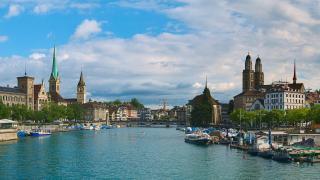
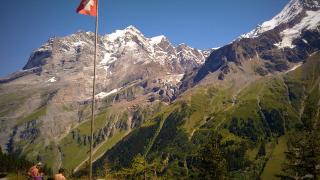
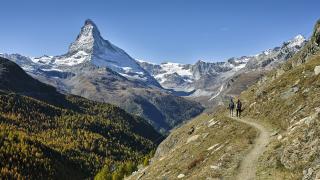
A full-day exploration of the charming municipality of Regensberg in the canton of Zurich, Switzerland. The itinerary focuses on the medieval castle ruins, the well-preserved village center, and the surrounding vineyards and hiking trails.
-
09:00
Visit Burg Regensberg (Castle Ruins)
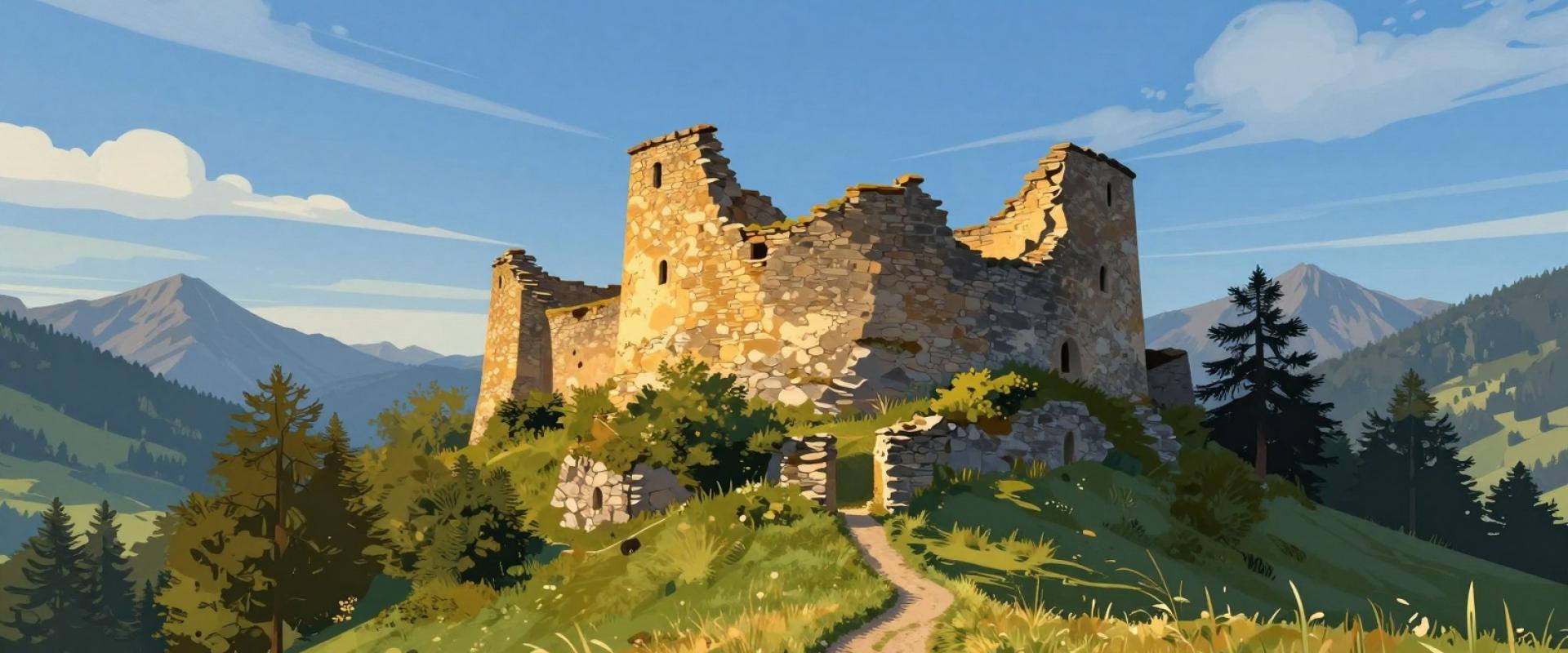
Start your day at the impressive ruins of Burg Regensberg. Perched on a hilltop, the castle offers panoramic views of the surrounding countryside and the Limmat Valley. Explore the remaining walls, towers, and the small museum inside the gatehouse which details the history of the Lords of Regensberg.
About 1.5 hours
-
10:30
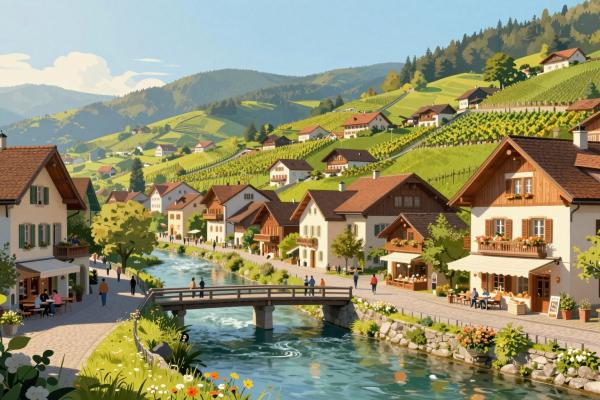
Stroll Through Regensberg Village
Descend into the village below. Wander through the narrow, cobblestone streets lined with traditional Swiss farmhouses and historic buildings. Visit the local church and admire the well-preserved architecture that reflects the region's agricultural heritage.
About 60 min
-
12:30
Lunch at a Local Gasthof
Enjoy a traditional Swiss lunch at one of the village's guesthouses or restaurants. Look for local specialties such as Rösti, Salsise (local sausages), or seasonal soups. Many establishments have outdoor terraces with views of the valley.
About 60 min
-
14:00
Hike the Vineyard Trails
After lunch, take a gentle hike through the surrounding vineyards. Regensberg is known for its wine production. The trails offer scenic views and opportunities to learn about local viticulture. In autumn, you might even catch the grape harvest.
About 2 hours
-
16:00
Explore the Local History Museum
Visit the small local museum to gain deeper insight into the history of the region, including the medieval period and the agricultural traditions that shaped the community. This provides a nice cultural conclusion to the day.
About 60 min
-
17:00
Afternoon Coffee and Cake
End your day with a relaxing coffee and a slice of Swiss cake at a local café. This is a perfect way to unwind after a day of walking and exploring.
About 60 min
- Meals:
- Lunch at Village Gasthof
- Where to stay:
- Regensberg is small, so consider staying in nearby towns like Schlieren, Dietikon, or even Zurich city center for more hotel options. Alternatively, look for Bed & Breakfasts in the surrounding villages.
- Getting around:
- A car is recommended for flexibility, especially to reach the castle ruins and vineyard trails. Public transport (train/bus) is available from Zurich but may require transfers and have limited frequency in the late afternoon.
-
09:00