
1-day itinerary
Discovering Aeschi bei Spiez
One-day exploration of Aeschi bei Spiez
- Length
- 1 day · 5 sights
- Pace
- Easy
- Estimated cost
- CHF 77 per person
- Based in
- Aeschi bei Spiez
Day by day
-
Day 1: Aeschi bei Spiez: Alpine Meadows and Village Charm
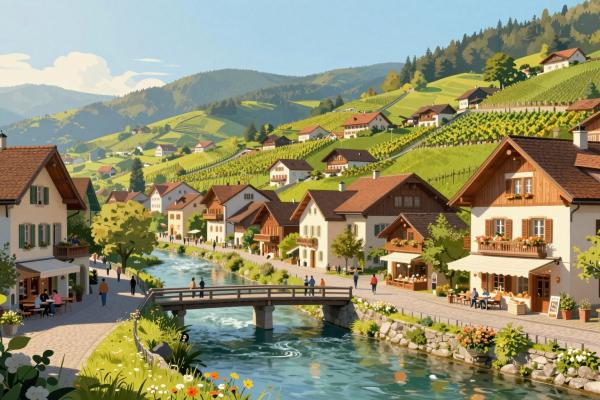
A relaxed day exploring the high-altitude village of Aeschi bei Spiez, known for its traditional chalets, panoramic views of the Bernese Alps, and the famous 'Schafmatt' meadows. This itinerary focuses on light hiking, local culture, and scenic photography.
-
09:00
Travel to Aeschi bei Spiez
Depart from Spiez or Interlaken. Take the bus to Spiez, then transfer to the local bus line (e.g., PostAuto) up to Aeschi bei Spiez. The drive offers stunning views of Lake Thun and the surrounding peaks.
About 60 min
-
10:15
Explore the Village Center
Walk through the quiet village streets to admire the traditional Bernese-style chalets. Visit the local church and enjoy the fresh alpine air. This is a great spot for photography of the village architecture against the mountain backdrop.
About 1.5 hours
-
12:00
Lunch at Schafmatt
Enjoy a traditional Swiss lunch at a local guesthouse or the Schafmatt area. Try regional specialties like Rösti or a fondue if available. The outdoor terrace often offers views of the meadows.
About 60 min
-
13:30
Hike the Schafmatt Meadows
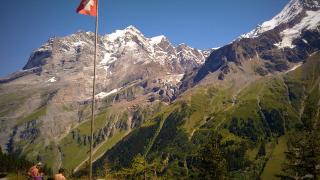
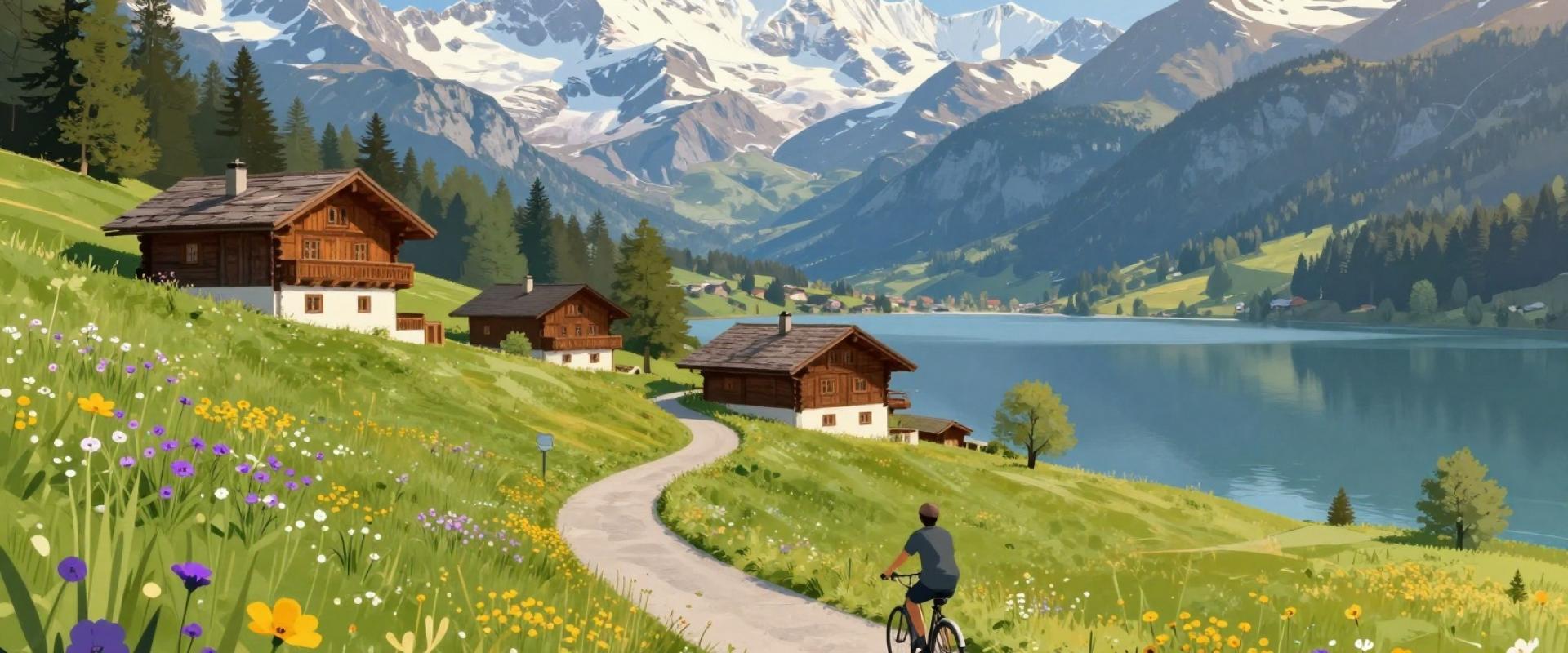
Take a gentle walk through the Schafmatt alpine meadows. In summer, this area is lush and green with grazing cattle; in spring/autumn, it offers wildflowers or golden hues. The terrain is easy and suitable for all fitness levels.
About 2 hours
-
15:30
Scenic Viewpoints and Coffee
Visit a local viewpoint for panoramic photos of the Bernese Oberland. Stop by a local café for coffee and a piece of Swiss cake (like Zuger Kirschtorte or a simple fruit tart).
About 60 min
-
16:30
Return to Spiez
Take the bus back down to Spiez. This allows you to end your day with a stroll along the Lake Thun promenade in Spiez, enjoying the sunset over the lake.
About 60 min
- Meals:
- Lunch at Schafmatt or Village Center Restaurant; Snack at Local Café in Aeschi
- Where to stay:
- Stay in Spiez for better access to transport and amenities, or book a guesthouse in Aeschi bei Spiez for a more secluded alpine experience. Spiez offers a wider range of hotels and B&Bs.
- Getting around:
- Public transport (PostAuto buses) is reliable and scenic. A car provides flexibility but parking in Aeschi is limited. Walking is the primary mode of activity within the village and meadows.
-
09:00