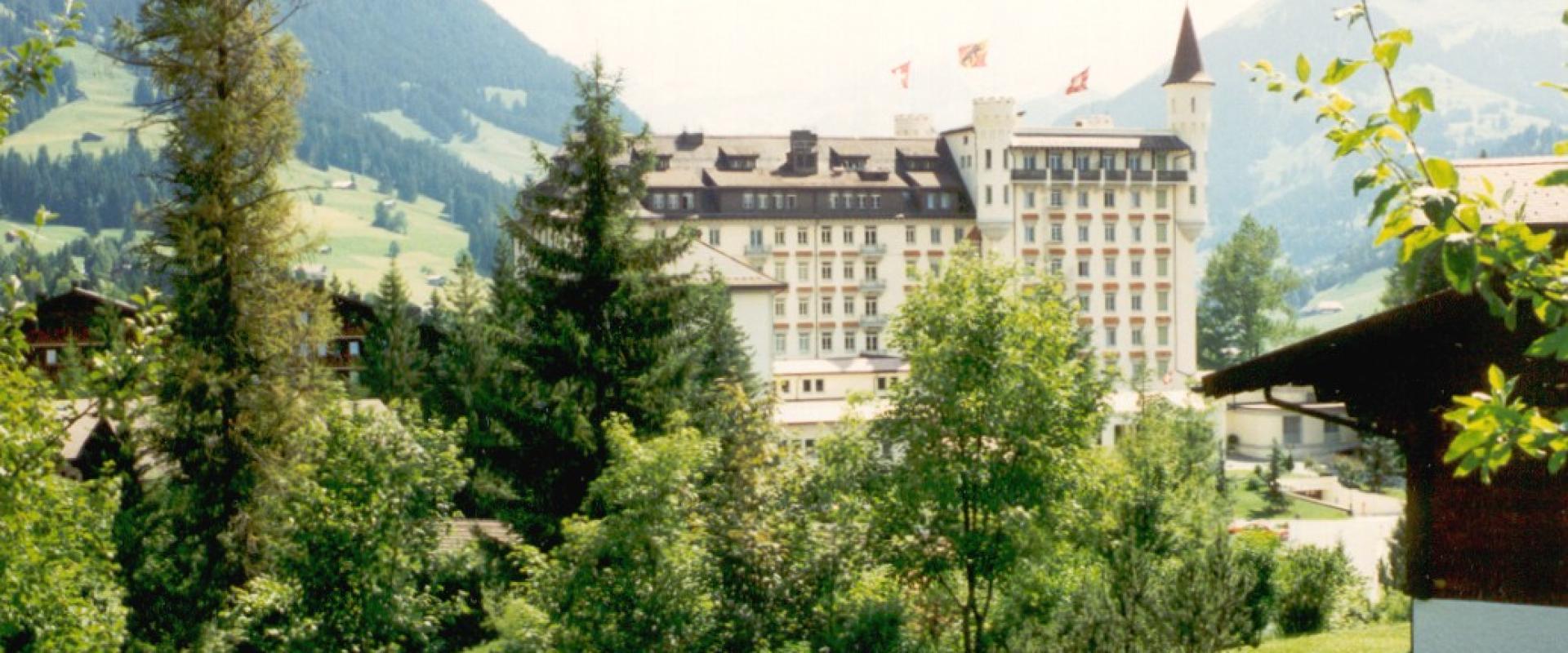
History
Gstaad’s evolution from a modest agricultural settlement to a global luxury destination is a story of resilience and strategic adaptation. Historically part of the Savoyard county of Gruyère during the Middle Ages, the town served as a vital trade hub by the 13th and 14th centuries. It functioned as a resting point for merchants and travelers navigating the alpine passes, featuring an inn and warehouses for alpine transport. The architectural heritage from this period is preserved in landmarks such as the St. Nicholas chapel, built in 1402 and adorned with significant mid-15th-century murals that reflect the religious and artistic sensibilities of the era.
The trajectory of the town changed dramatically in 1898 following a devastating fire that destroyed much of the original village. This catastrophe served as a catalyst for transformation. The subsequent reconstruction focused on building a modern, resilient community, but the true turning point came with the development of the tourism industry. The opening of the Montreux–Oberland–Bernese Oberland Railway (MOB) in 1905 connected Gstaad to the broader Swiss network, facilitating an influx of visitors. This accessibility transformed the local economy from one based primarily on cattle farming and agriculture to one centered on hospitality and tourism, laying the foundation for its current status as a premier international destination.
Main Attractions
The central attraction in Gstaad is the village itself, characterized by its distinctive rustic-chic aesthetic. The village center is designed to be pedestrian-friendly, with traffic lights minimized to preserve the serene atmosphere. The architecture is a blend of traditional Swiss chalet style and modern luxury, featuring wooden facades, flower boxes, and high-end boutiques. The St. Nicholas chapel remains a key historical landmark, offering a glimpse into the town’s religious heritage.
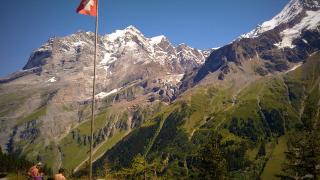
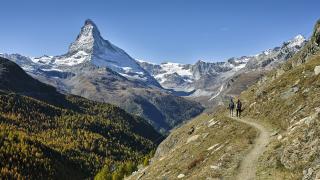
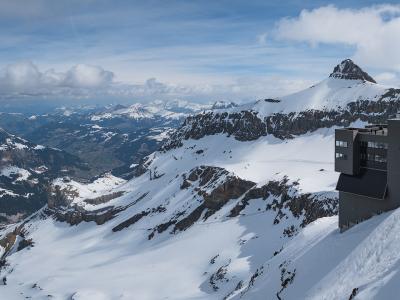
Beyond the village center, the natural landscape is a primary draw. The area is surrounded by the Bernese Oberland mountains, offering stunning views of the Balmhorn and the Diablerets massif. The region is known for its well-maintained hiking trails, which wind through alpine meadows and forests. The combination of high-end amenities and pristine natural beauty creates a unique environment that appeals to a wide range of visitors, from luxury seekers to nature enthusiasts.
Activities
Gstaad offers a diverse range of activities suitable for all seasons. In winter, the area is a haven for skiers and snowboarders, with access to the Wispile ski area and the nearby Glacier 360, which offers year-round skiing. The slopes cater to various skill levels, from beginners to advanced experts. In the summer, the focus shifts to outdoor activities such as hiking, mountain biking, and golf. The local golf club, located in the nearby town of Saanen, is a notable destination for golf enthusiasts.
Cultural activities are also a significant part of the Gsta experience. The region hosts several festivals throughout the year, including the famous Gstaad Menuhin Festival, which features world-class classical music performances. These events attract international artists and audiences, adding a cultural dimension to the visit. Additionally, visitors can enjoy the local cuisine, which includes traditional Swiss dishes like fondue and raclette, prepared with high-quality local ingredients.
Getting There
Reaching Gstaad is convenient via Switzerland’s efficient public transport system. The most common route is by train, with direct connections from major cities such as Bern, Zurich, and Geneva. The Bernese Oberland Bahn (BMO) and the Golden Line provide seamless connections to the Gstaad station. From the station, the village center is within easy walking distance.
For those driving, the A6 motorway provides access to the region. Exit at the Saanen or Gstaad interchange, and follow the signs to the village center. Parking is available in designated areas, though it is advisable to book in advance during peak seasons. The ease of access ensures that Gstaad is a viable destination for both short breaks and longer vacations.
Best Time to Visit
The best time to visit Gsta depends on the desired experience. For winter sports, the period from December to March is ideal, with reliable snow conditions and a vibrant atmosphere. Summer, from June to August, is perfect for hiking, mountain biking, and enjoying the outdoor festivals. The shoulder seasons of spring and autumn offer fewer crowds and milder weather, making them ideal for those seeking a quieter experience. Regardless of the season, Gsta offers a unique blend of luxury, nature, and culture, ensuring a memorable visit.
Best time to visit
December to March for skiing; July and August for warm weather and hiking.
What to see in Gstaad
Our picks first.
Gstaad by interest
The same sights, grouped by what you came for.
Did you know?
Checked facts about Gstaad, each with its source.
-
History
Gstaad Has a Distinct Local Story
Perched at an elevation of 1,050 meters in the Bernese Oberland, Gstaad offers a striking blend of alpine grandeur and refined elegance.
Source: Gstaad - Wikipedia -
Notable Person
Violin Legend Yehudi Menuhin Made Gstaad His Musical Home
In 1957, at the request of Gstaad's tourism director Paul Valentin, world-famous violinist Yehudi Menuhin — a regular visitor to the Saanenland who later kept a chalet in Gstaad alongside his London home — founded a summer concert series to liven up the quiet season. The very first concerts, in August 1957, featured composer Benjamin Britten at the piano and tenor Peter Pears. That series grew into the Gstaad Menuhin Festival, today one of Switzerland's premier classical music events with more than 50 concerts spread over seven weeks each summer, and it still draws stars such as Cecilia Bartoli and András Schiff to the Bernese Oberland; Menuhin himself remained its musical director until 1996.
Source: Gstaad Menuhin Festival (official site)
Planning a visit to Gstaad
Good to know
- Currency
- CHF
- Language
- German, French, Italian and Romansh
Quick Facts
Book your stay
Questions people ask
More places in Bernese Oberland
Bernese Oberland
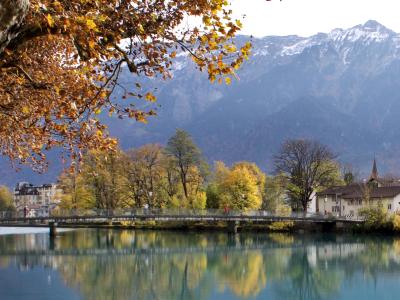
Interlaken
Gateway to the Swiss Alps between two lakes
Bernese Oberland
Jungfrau Region
Iconic alpine region with peaks, valleys, and adventure
Bernese Oberland
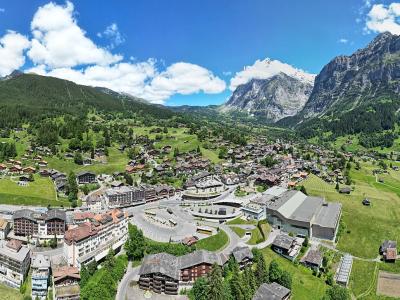
Grindelwald
Chalet village beneath the Eiger north face, base for First and Männlichen
Bernese Oberland
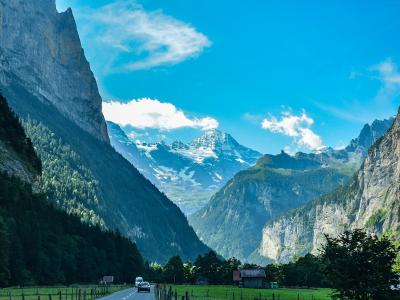
Lauterbrunnen
Waterfall valley at the foot of the Jungfrau, gateway to Wengen and Mürren