- Where
- Saignelégier, Jura
- Directions
- Directions
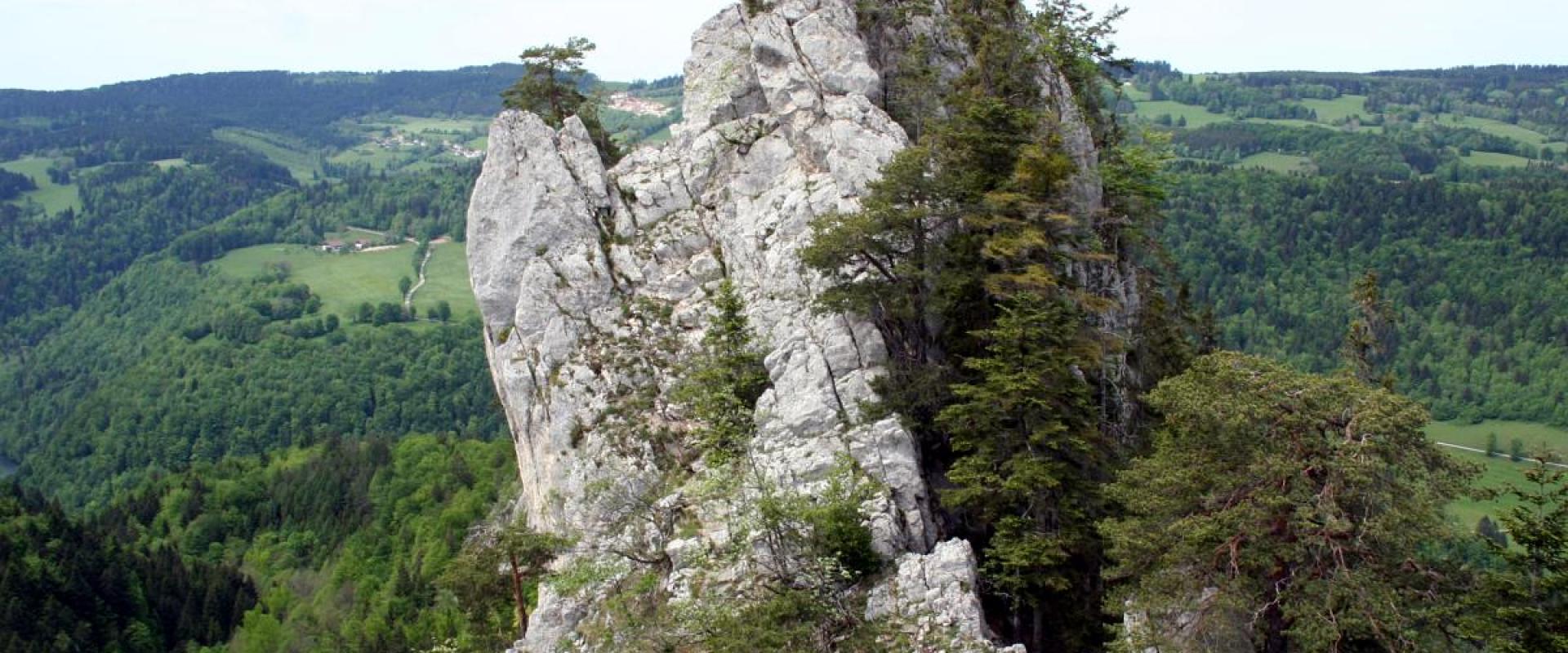
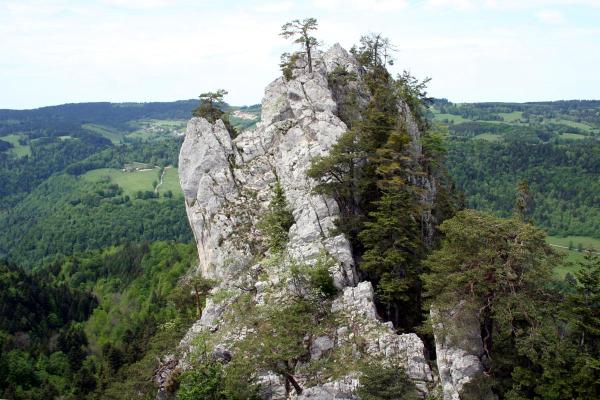
The Franches-Montagnes is a high plateau in the canton of Jura, a landscape of rolling pastures dotted with solitary spruce trees, stone walls and farmsteads with great sloping roofs, and it feels different from the Alpine Switzerland that most visitors imagine. The plateau lies at around a thousand metres above sea level, among the folds of the Jura mountains, and its chief town is Saignelégier. The rocks known as the Rochers des Sommêtres belong to this limestone country and offer a short, quiet excursion for walkers who want to see the Jura away from the main routes. It is not a place with visitor facilities, and little information about it is easy to find, so it is best treated as a local outing rather than a major attraction.
The rock of the Jura is limestone, laid down in warm seas some 150 million years ago and later folded and uplifted as the Alps formed. The result is a landscape of long ridges and valleys, with cliffs and outcrops where rivers or erosion have cut through the layers. Limestone dissolves slowly in rainwater, so the terrain is full of features of the type called karst, including sinkholes, caves, springs and dry valleys, and water often disappears underground only to reappear elsewhere. This is why the Franches-Montagnes has few streams on the surface and why its pastures are dotted with small ponds and hollows. Rock outcrops like the Sommêtres are fragments of this geological story, and they are often covered with moss, ferns and small trees that cling to cracks.
The surroundings are well known for two things. The first is the horse. The Franches-Montagnes is the home of the breed of the same name, a sturdy, versatile horse and the only native Swiss breed, which is raised on the plateau's pastures and is a symbol of the region. Foals and mares are often seen grazing, and each August the town of Saignelégier hosts the Marché-Concours, a large horse show and festival that draws crowds from across Switzerland. The second is the landscape of wooded pastures, in which cattle and horses graze under scattered spruce, producing a park-like look that is protected as a cultural landscape.
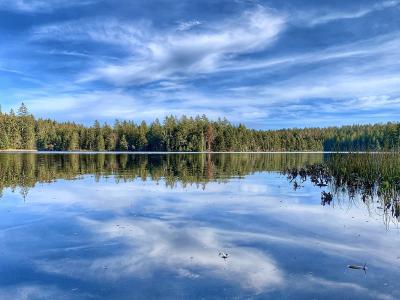
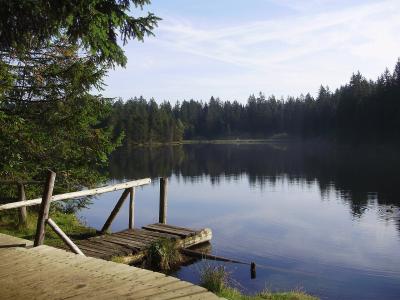
Nature lovers can combine a visit to the rocks with nearby sites, such as the Étang de la Gruère, a peat bog and pond surrounded by forest that is a protected nature reserve, and the nature centre in the Cerlatez, where exhibitions explain the ecology of the region. Walking and cycling routes cross the plateau, and in winter the area is a centre for cross-country skiing, since the high plateau often holds snow, and for winter walking.
Visitors should check local maps or the Saignelégier tourist office for the exact access and conditions, since paths can be uneven and may be wet. Wear sturdy shoes, bring water and respect fences and grazing animals, keeping dogs on a lead. The area suits walkers, nature lovers and anyone who enjoys quiet landscapes. Allow one to two hours for a short walk. The best seasons are late spring and autumn, when the pastures are green and the air is clear.
Categories
More photos coming soon
Nearby Attractions
Other places to visit in Saignelégier
Centre Nature Des Cerlatez
Nature centre in Saignelégier's Franches-Montagnes
Cultural Experiences · Natural Wonders
Etang De La Gruère
Dammed moor lake in Saignelégier
Natural Wonders · Walking Trails
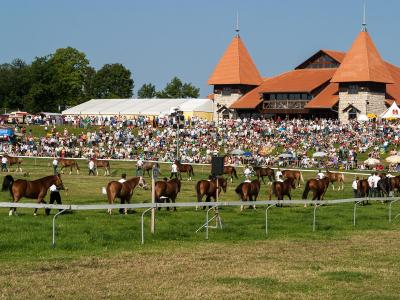
Marché-Concours Equestrian Event In Saignelégier
Annual Swiss equestrian festival in Saignelégier
Cultural Festivals · Local Markets
Questions people ask
Quick Facts
Best Time to Visit
July to September offers warm weather, lively festivals, and ideal conditions for hiking, horseback riding, and exploring Saignelégier’s lakes and nature trails.