







- Admission
- Not found
- Hours
- Not found
- Where
- Arosa, Graubünden
- Directions
- Directions
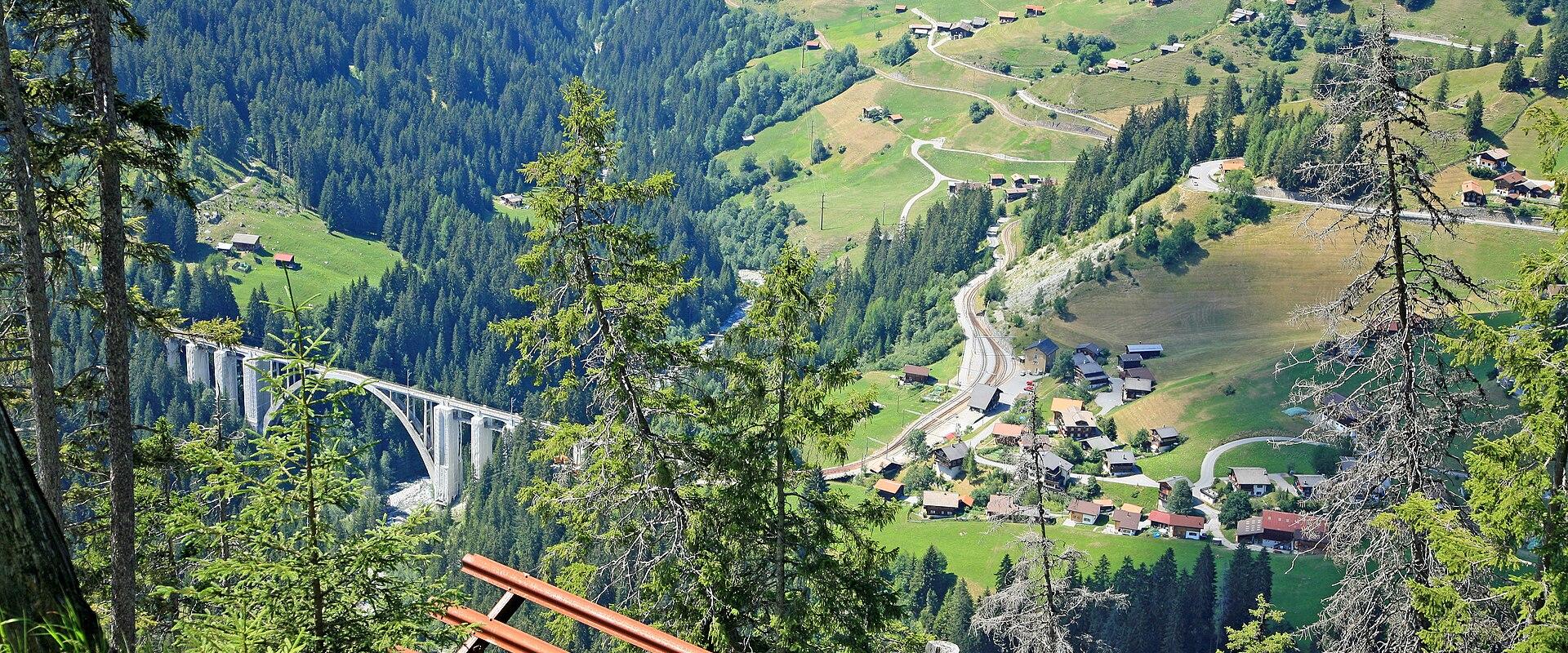
Between Arosa and Chur, a side valley called the Sapün runs down toward Langwies, and it holds one of the most unspoiled Walser settlements in Graubünden, a Grisons Walser Village of scattered farms. The Sapün is a steep, quiet valley with a scattering of farms, hamlets and small chapels on its slopes, reached by footpaths and a narrow road, and it is a very different place from the resort of Arosa at its head. The valley is part of the Schanfigg, the long valley that leads from Chur up to Arosa, and its character is shaped by the Walser, the German-speaking mountain people who settled it centuries ago.
The Walser came from the Upper Valais in the Middle Ages and moved into high, remote valleys across the Alps, in many cases settling land that was too high and steep for others. They were given special privileges, such as personal freedom and the right to manage their own affairs, in exchange for farming the difficult terrain, and they spread over a wide area, from Piedmont and Ticino to Vorarlberg. In Graubünden they founded villages at Davos, Arosa, Safiental, Rheinwald and other places, and in Arosa the first Walser settled in the 14th century. Their typical farms stand alone on the slopes, built of timber on stone foundations, with small windows and steep roofs, and their dialect, which preserved old forms of German, is still heard in a few places.
The Sapün’s farms and hamlets show this pattern clearly. The wooden houses are weathered dark brown by the sun, and many carry carved dates and sayings on the beams, while stone walls and wooden fences divide the meadows. The setting is quiet, with only the sound of cowbells, running water and wind, and the fields are full of flowers in summer. There is no large village, and visitors come mostly on foot, on well-marked trails that climb through the valley with views of the surrounding peaks. A small inn or two offers simple meals in season, but facilities are limited, so bring food and water for the walk.
The settlement is best seen from the outside, as the houses are private and in use. It is polite to keep to the paths, close gates behind you and avoid walking through farmyards or fields. In spring, the meadows are bright with crocuses and primroses, in summer with orchids and gentians, and in autumn the larch trees turn gold. Snow often covers the valley from November to April, when the trail becomes a route for snowshoe walkers, and the post bus runs less often.
The Sapün suits hikers, photographers and travellers who are interested in traditional mountain culture. Combine it with a visit to Arosa or the Langwies viaduct, and allow half a day for the walk.
Categories
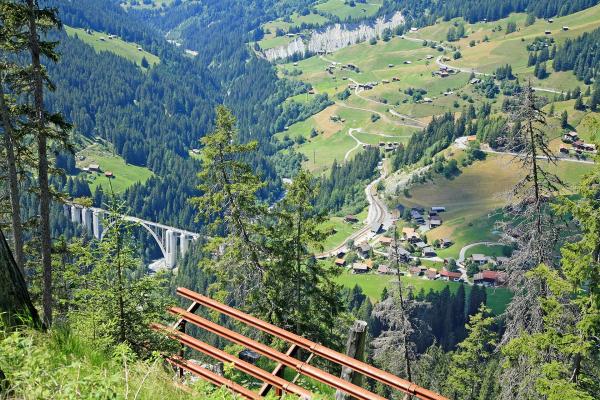
More photos coming soon
Hours & Fees
- Open
- Not found
- Admission
- Not found
Hours and prices change, especially out of season. Check with the venue before you go.
Nearby Attractions
Other places to visit in Arosa
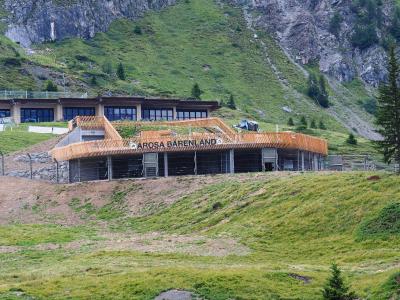
Arosa Bear Sanctuary (Bärenland Aros)
High-altitude bear sanctuary in the Swiss Alps
From CHF 6 Natural Wonders
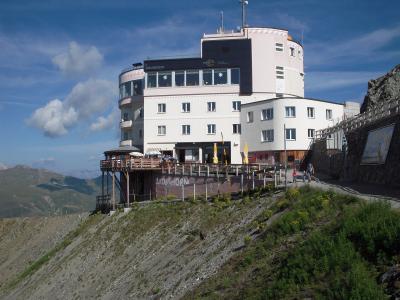
Jakobshorn Summit
Alpine summit at 2,590 meters in the Swiss Alps
Activities & Adventure · Natural Wonders
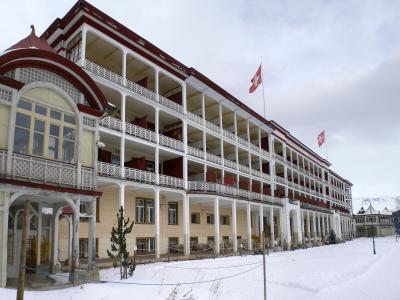
Schatzalp
Historic Art Nouveau hotel in A Davos
Cultural Experiences · History & Heritage
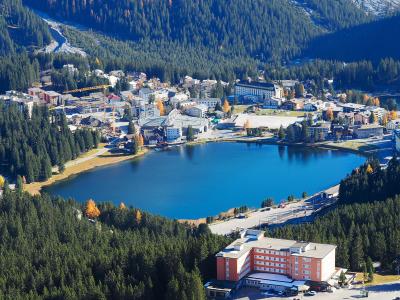
Squirrel Trail
2km trail with tame squirrels in Arosa
Free Natural Wonders · Walking Trails
Questions people ask
Quick Facts
Best Time to Visit
June to September offers mild weather, blooming trails, and lake activities; December to April is best for skiing and winter sports in Arosa.