







- Where
- Château de Chillon, Lake Geneva
- Directions
- Directions
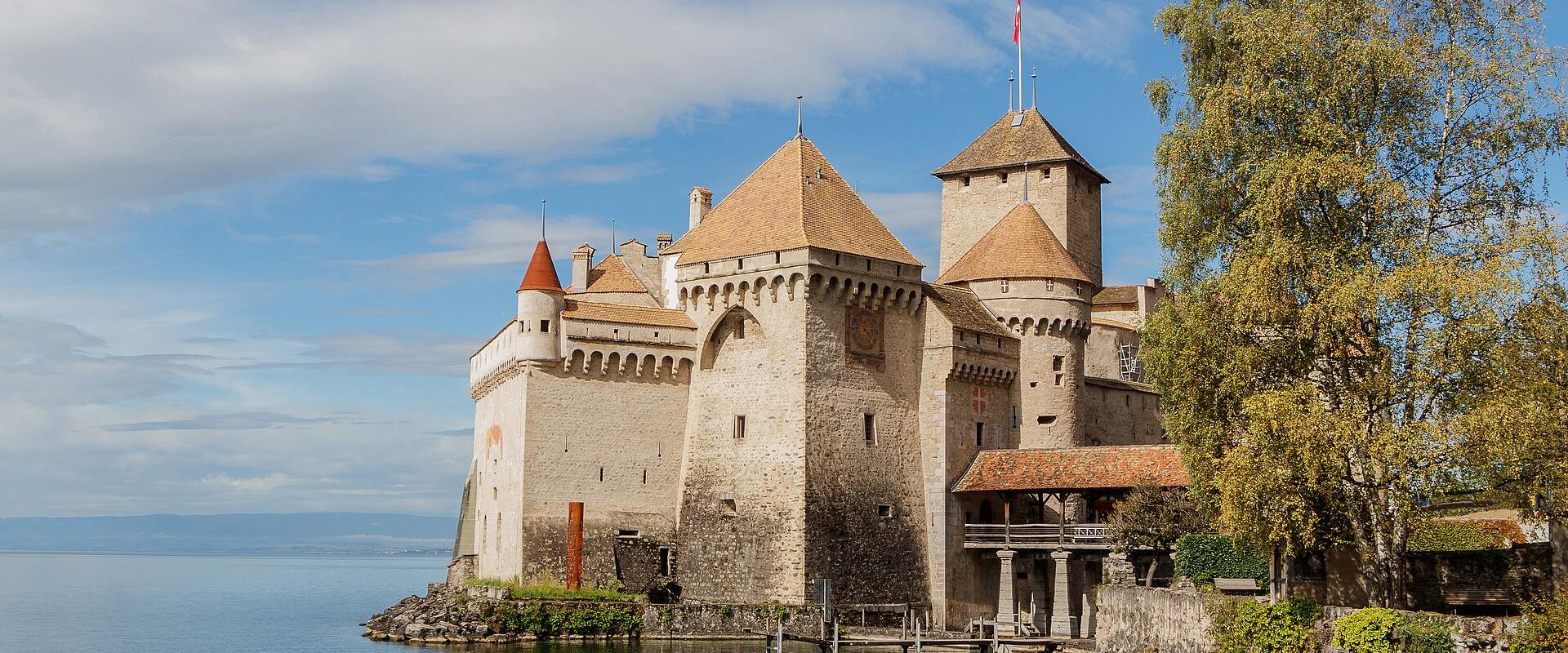
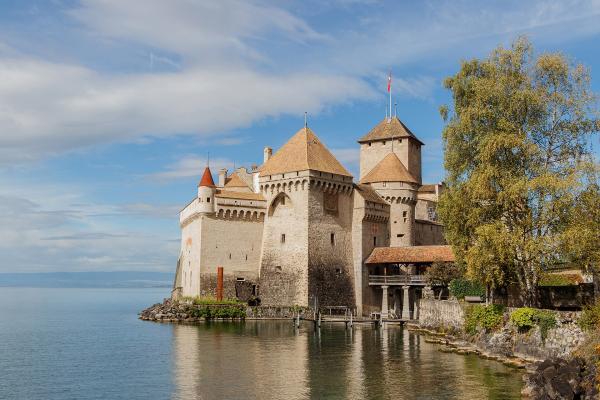
Château de Chillon rises from a small rocky island at the eastern end of Lake Geneva, close to Veytaux and a short way along the shore from Montreux. The island sits only a few metres from the bank and is joined to it by a bridge, and the site's value was obvious long before any stone fortress: it controlled the narrow strip of land between the water and the steep mountain slope behind, and with it the road toward the Alpine passes. Traces of earlier use go back to the Bronze Age, and there is evidence of Roman presence nearby, but the castle you see today is overwhelmingly medieval.
The Counts of Savoy held Chillon from the twelfth century and expanded it through the thirteenth, turning a rock fort into a lakeside residence and toll station. That mix of purposes shows in the layout. The complex is not one building but a cluster of around a score of structures, courtyards and towers packed onto the island, with a tall keep on the landward side and living quarters facing the water. Inside there are vaulted halls, painted chambers, a chapel, a kitchen and rooms for the ruler's household, so you can follow the shift from a defensive stronghold to a place designed for comfort.
In 1536 troops from Bern took the castle from Savoy, and it remained in Bernese hands as the seat of a bailiff until the Vaud revolution of 1798, after which it became a prison and arsenal of the new canton. Its restoration as a monument began in the late nineteenth century, and it is now generally counted among the best-preserved castles in Switzerland.
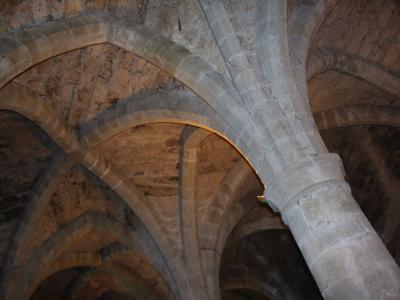
Its fame beyond the country owes a great deal to Lord Byron. In 1816 he visited Chillon and then wrote the poem The Prisoner of Chillon, inspired by François Bonivard, a Genevan churchman held in the castle's cellars in the sixteenth century. The vaulted dungeons, cut partly into the living rock with the lake lapping against the outer wall, are the most atmospheric part of the visit, and Byron's name is said to be carved into one of the pillars. Romantic painters and writers followed, and the castle became a fixture of nineteenth-century travel on the Swiss Riviera.
Today you can walk the ramparts, climb towers for views over the water toward the Savoy Alps across the lake, and move through the rooms at your own pace, with audio guides available for context. The surrounding shoreline is part of the appeal: the lakeside promenade from Montreux leads to the castle on foot in about an hour at a relaxed pace, and the walk passes gardens, palms and viewpoints. The castle is also reachable by local bus and by a short walk from the Veytaux-Chillon station.
It suits history readers and anyone curious about medieval life, families with children who enjoy dungeons and towers, and photographers, who will find the best angles from the shore path on either side of the island. Allow two hours for a full visit, more if you want to read every room, and check seasonal details on the official website before you go.
Categories
More photos coming soon
Nearby Attractions
Other places to visit in Château de Chillon
Questions people ask
Quick Facts
Best Time to Visit
April to October offers pleasant weather, open gardens, and ideal conditions for exploring Château de Chillon’s castle, lakeside paths, and events.