







Architecture, Museums, Picturesque Streets (Bern)
UNESCO Old Town with medieval streets & museums
- Where
- Bern, Bernese Oberland
- Directions
- Directions
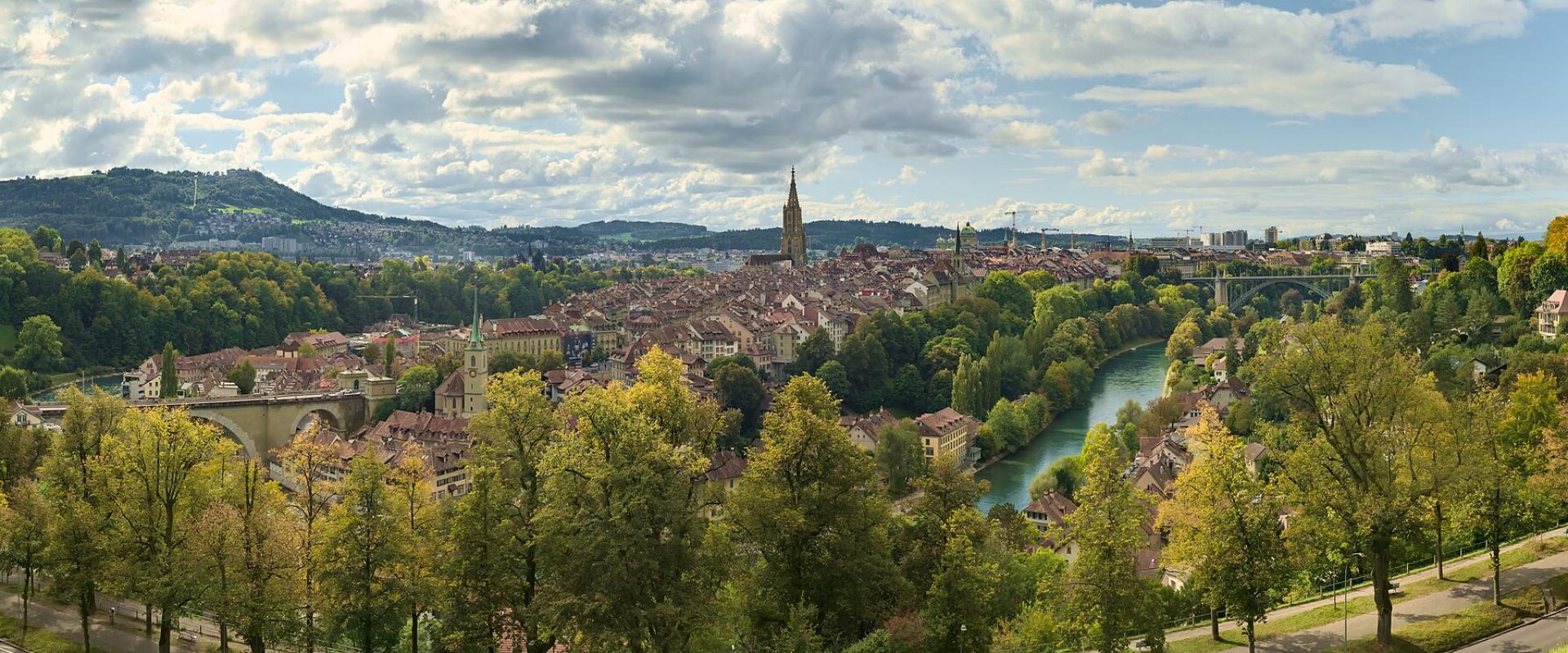
Bern’s UNESCO-listed Old Town is the main reason architecture lovers come to the capital, and the district has been on the UNESCO World Heritage list since 1983, a rare Swiss example of an intact medieval city. It stands on a narrow peninsula in a loop of the Aare, laid out in the 12th century and rebuilt in sandstone after a great fire in 1405, which gives the streets a consistent pale-grey look. The long main streets, with their covered arcades, fountains and cellars, are among the most complete medieval townscapes in Europe, and the sense of a single, unified city is stronger than in many more famous old towns. Walking through it takes you past the Zytglogge (Clock Tower), the Gothic Bern Minster and a series of Renaissance fountains.
The streets are best explored on foot. Kramgasse and Rathausgasse are especially photogenic, with rows of narrow facades, painted shutters and shop signs, and the arcades give shelter and a continuous line of small businesses. Cellars below street level hold bars, galleries and workshops, and side lanes lead to quiet courtyards. Einstein lived on Kramgasse while working at the patent office, and the Einstein Museum, part of the Bern Historical Museum, tells that story in an exhibition that places the physicist in the Bern of his time. The street scene changes with the light, with warm sandstone in the evening, and it is best in the early morning before the shops open.
The cultural side is strong too. The Kunstmuseum Bern holds a large collection of art from the Middle Ages to the present, with an important group of works by Paul Klee, and the Zentrum Paul Klee, in a landmark building by Renzo Piano on the eastern edge of the city, is devoted to his work with a long wave-shaped roof set in the fields. The Historical Museum of Bern, in the Museumsquartier, covers the city’s past from archaeology to the Burgundian wars, and the Alpine Museum, the Natural History Museum and others stand nearby. Together they make Bern a good city for museum days, including in poor weather.
The view of the whole is the final reward. From the Rosengarten across the river, the Old Town appears as one composition, with the cathedral spire at its centre, and the same view can be had from the Nydegg Bridge or from the Münsterplattform terrace. These vantage points show how the city sits within the bend of the river and how the old street plan survived. Other entries for Bern cover single sights, so this one works as a general walking theme.
It suits architecture and history lovers, museum visitors, photographers and anyone planning a first visit to the capital. Allow a full day to see the main streets, one or two museums and the river views, and a second day if you want to include the Klee Centre.
Categories
More photos coming soon
Nearby Attractions
Other places to visit in Bern

Zytglogge (Clock Tower)
Medieval clock tower with hourly mechanical show
Cultural Experiences · History & Heritage

Wander Through The Old Town (Bern Old Town)
UNESCO-listed medieval city with sandstone arcades
Cultural Experiences · History & Heritage

Gurten (visit The Gurten Hill)
Bern’s local mountain with panoramic views
Activities & Adventure · Natural Wonders
BärenPark (Bear Park)
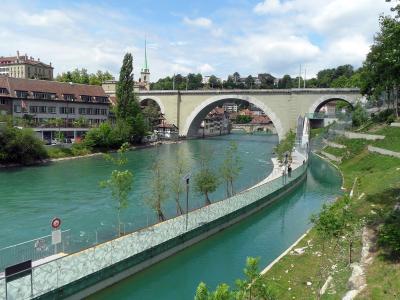
Historic bear habitat with riverfront park
Activities & Adventure · Natural Wonders
Questions people ask
Quick Facts
Best Time to Visit
Early July to mid-September offers warm weather, lively markets, and ideal conditions for exploring Bern’s old town, river, and outdoor attractions.