







- Where
- Bern, Bernese Oberland
- Directions
- Directions
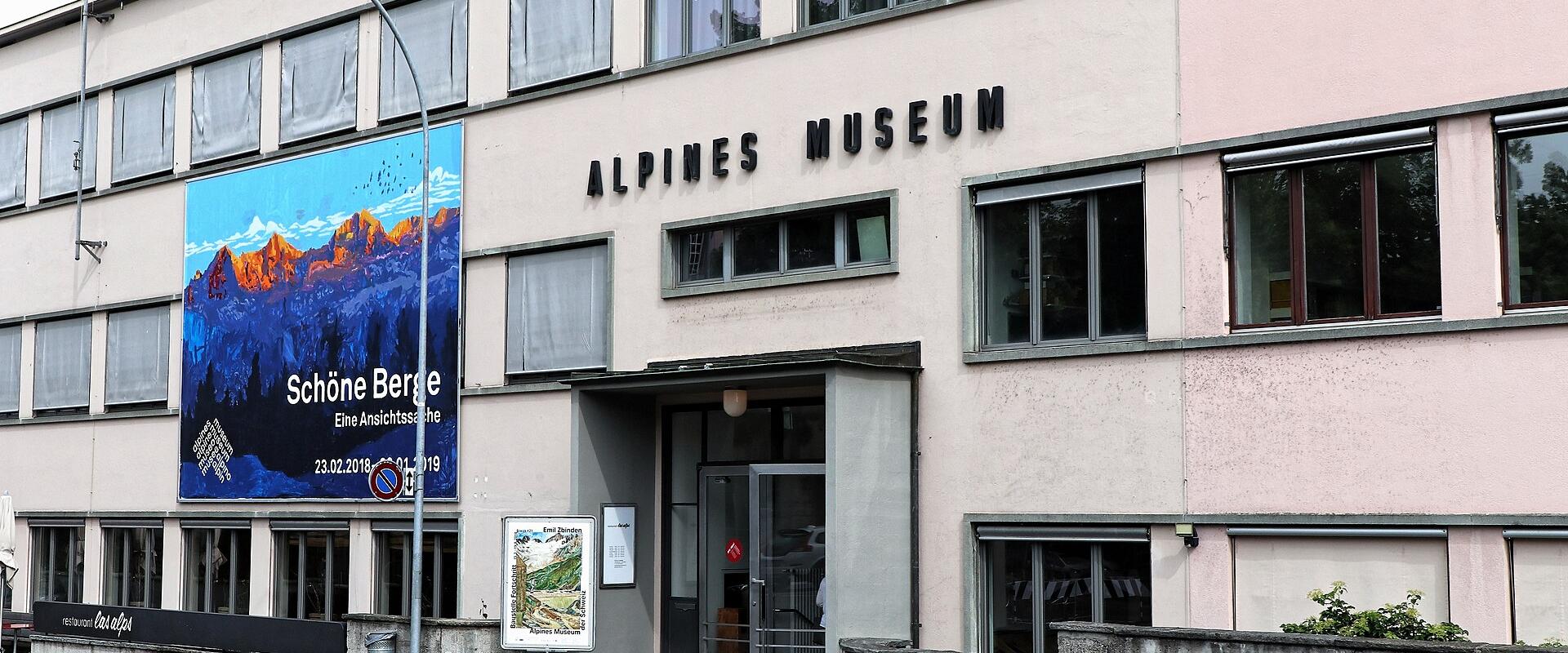
The Alpine Museum (Alpenmuseum) in Bern, officially the Swiss Alpine Museum, stands at Helvetiaplatz in the city’s Museumsquartier, on the south side of the Kirchenfeld bridge. It was founded in the early 20th century, and the museum has long been the national address for the culture and environment of the Alps. It sits among a cluster of museums that make this quarter the cultural centre of the capital, including the Bern Historical Museum, the Museum of Communication, the Natural History Museum and the Einstein Museum, so a visit can easily become part of a museum day.
The museum looks at the Alps as a living space rather than a postcard. The main exhibition covers the relationship between people and mountains, from early mountaineering and tourism to modern questions about climate, settlement and the use of land. Topics include the retreat of glaciers, the pressures of mass tourism, the economy of mountain regions, and the way that cities and the Alps are increasingly linked. In place of a simple history of climbing, the displays encourage visitors to consider how the mountain environment is changing and what that means for the people who live there. It is a thoughtful, modern take on a subject that Switzerland often presents through tradition and scenery.
The collection behind the displays is wide-ranging. The museum holds objects connected with mountaineering and alpine life, including historic equipment, photographs, paintings and, among its best-known items, a large collection of relief models and maps that show the mountains in three dimensions. These traditional models, handmade with great precision, are part of Switzerland’s cartographic heritage and give a clear sense of the shape of the land. Interactive elements and small immersive rooms encourage visitors to engage rather than just look, and the museum has developed a reputation for playful, experimental presentation. Temporary exhibitions complement the main show and can change the focus of a visit from year to year.
The museum has a café-restaurant on site, and the building is largely accessible. Opening hours, ticket prices and combined offers with other museums in the quarter change from time to time, so check the museum’s website before you go. The museum is well connected by tram and bus, and it is a short walk from the Old Town across the Kirchenfeld Bridge or from the railway station by public transport.
It suits families, hikers, climbers and anyone who wants to understand the Alps beyond the postcard. It is particularly useful on a rainy day in Bern, when the mountains are out of sight, and it gives context for any trip into the Bernese Oberland or beyond. Allow around two hours for the main exhibition and longer if you combine it with a neighbouring museum.
Categories
More photos coming soon
Nearby Attractions
Other places to visit in Bern

Zytglogge (Clock Tower)
Medieval clock tower with hourly mechanical show
Cultural Experiences · History & Heritage

Wander Through The Old Town (Bern Old Town)
UNESCO-listed medieval city with sandstone arcades
Cultural Experiences · History & Heritage

Gurten (visit The Gurten Hill)
Bern’s local mountain with panoramic views
Activities & Adventure · Natural Wonders
BärenPark (Bear Park)
Historic bear habitat with riverfront park
Activities & Adventure · Natural Wonders
Questions people ask
Quick Facts
Best Time to Visit
Early July to mid-September offers warm weather, lively markets, and ideal conditions for exploring Bern’s old town, river, and outdoor attractions.